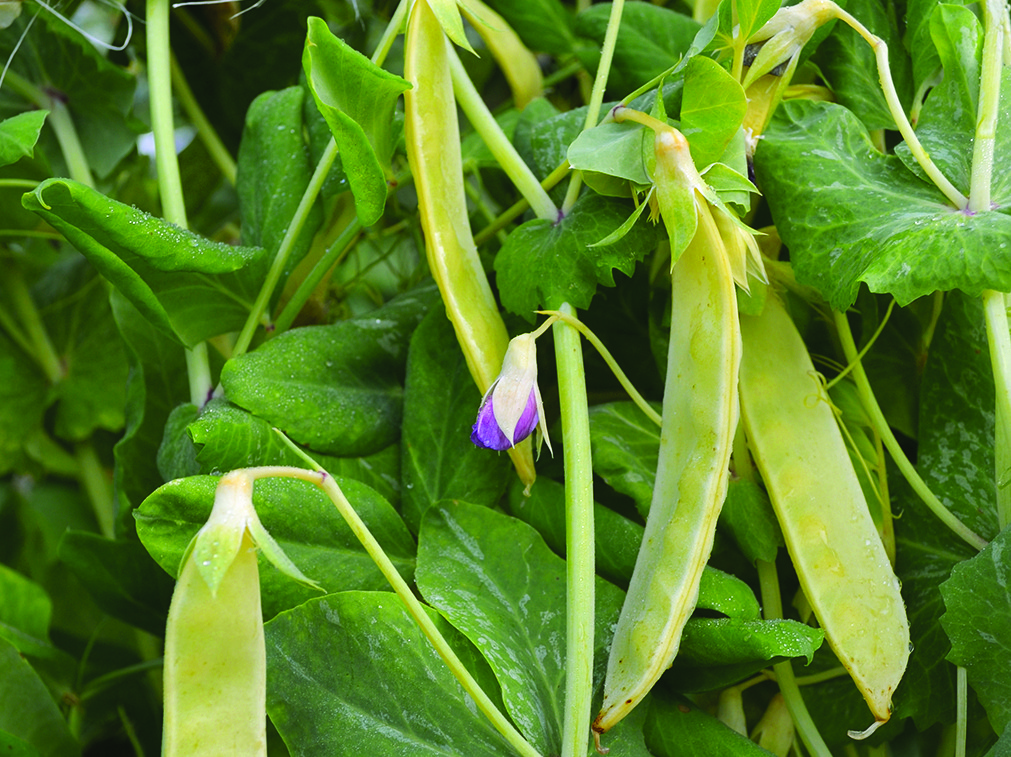
Hope and Practice: Robert Lobitz
Robert Lobitz—one of the most active members of Seed Savers Exchange—had many listings in the Yearbook from 1984 up to 2006, when he passed away.
Read More
Robert Lobitz—one of the most active members of Seed Savers Exchange—had many listings in the Yearbook from 1984 up to 2006, when he passed away.
Read More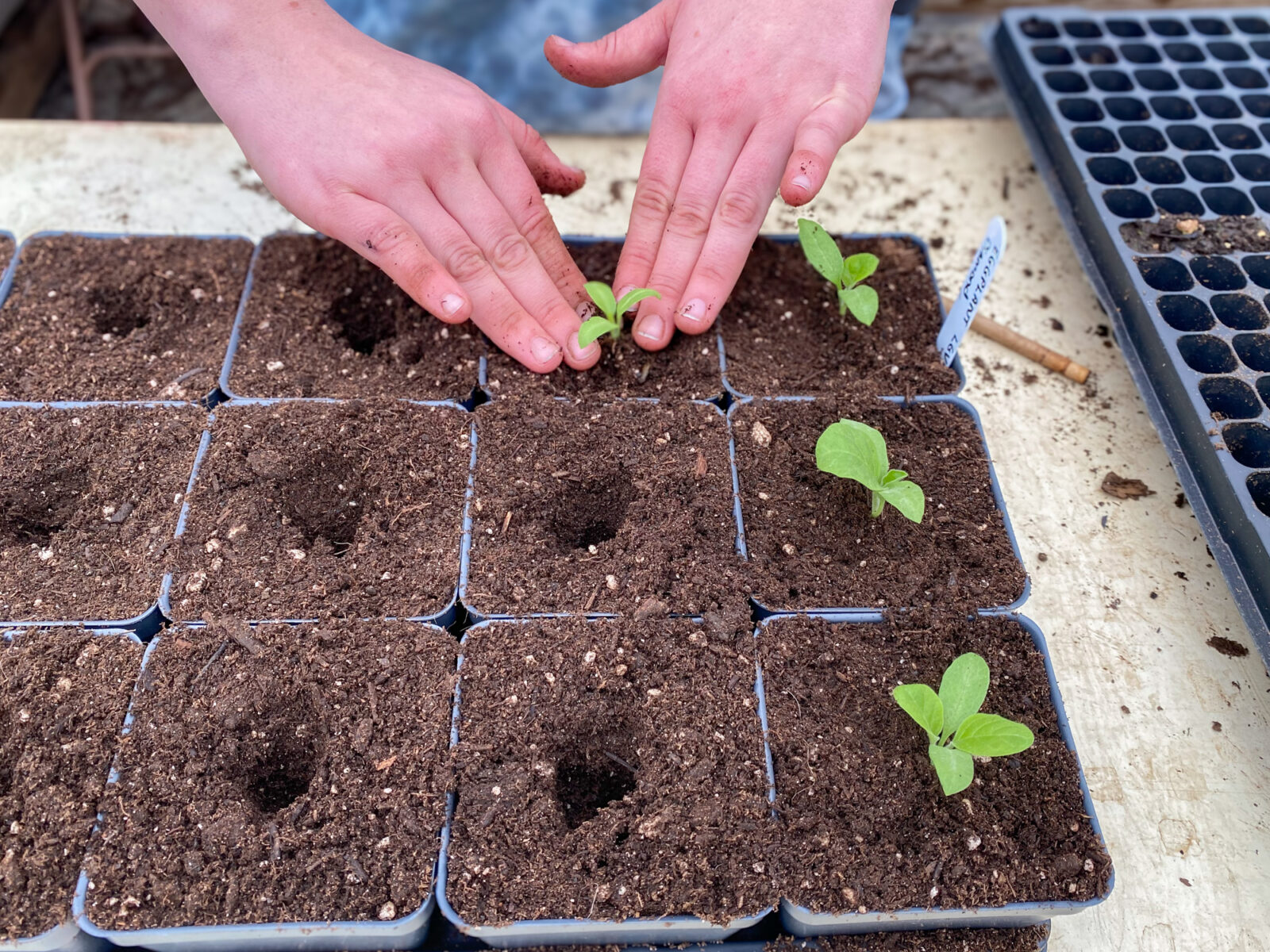
There’s something deeply rewarding about nurturing a tiny seed into a thriving plant. But when a plant outgrows its container, potting up can seem daunting. Fortunately, with care and a couple of considerations, potting up is easy and will help to keep your plants happy!
Read More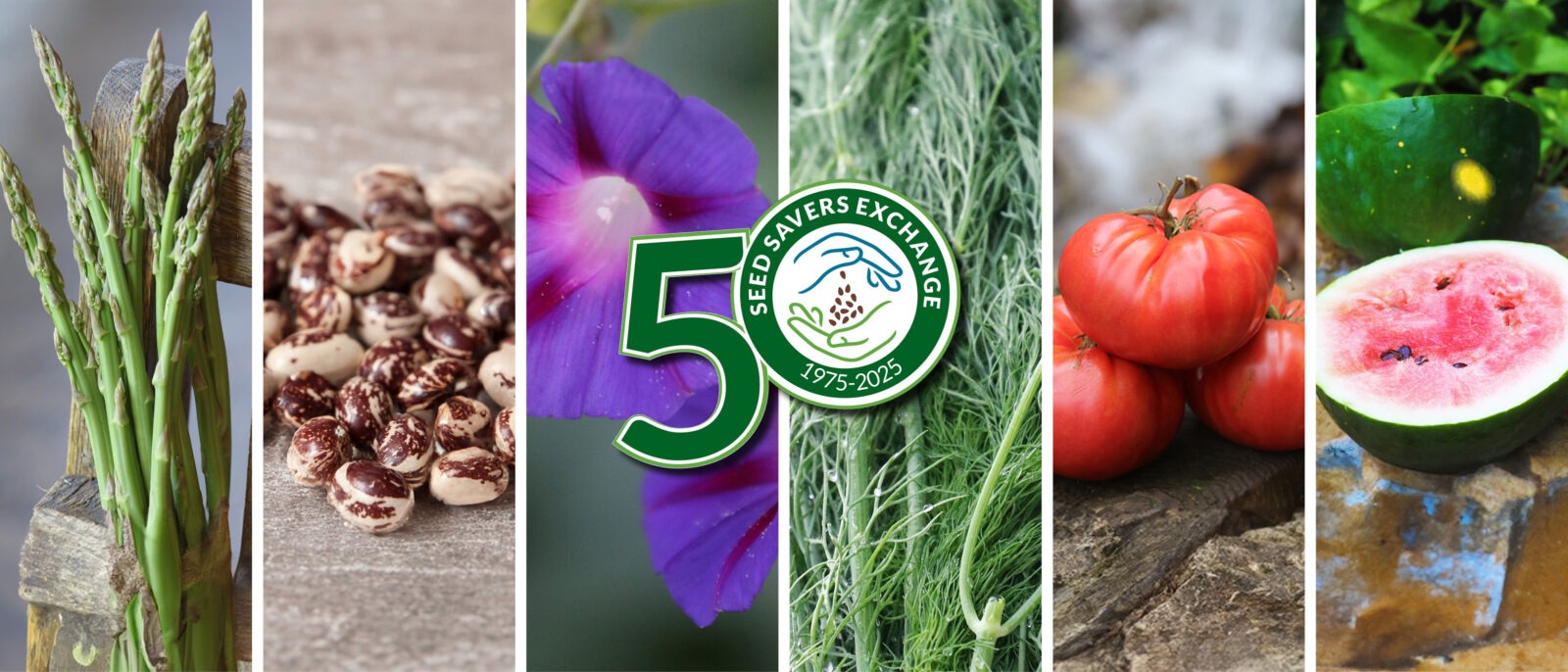
Great seeds, great seed stories. Seed Savers Exchange has stewarded both since its founding in 1975. To mark our 50th year, we’ve released a limited-edition heirloom seed collection featuring six of our most-cherished varieties.
Read More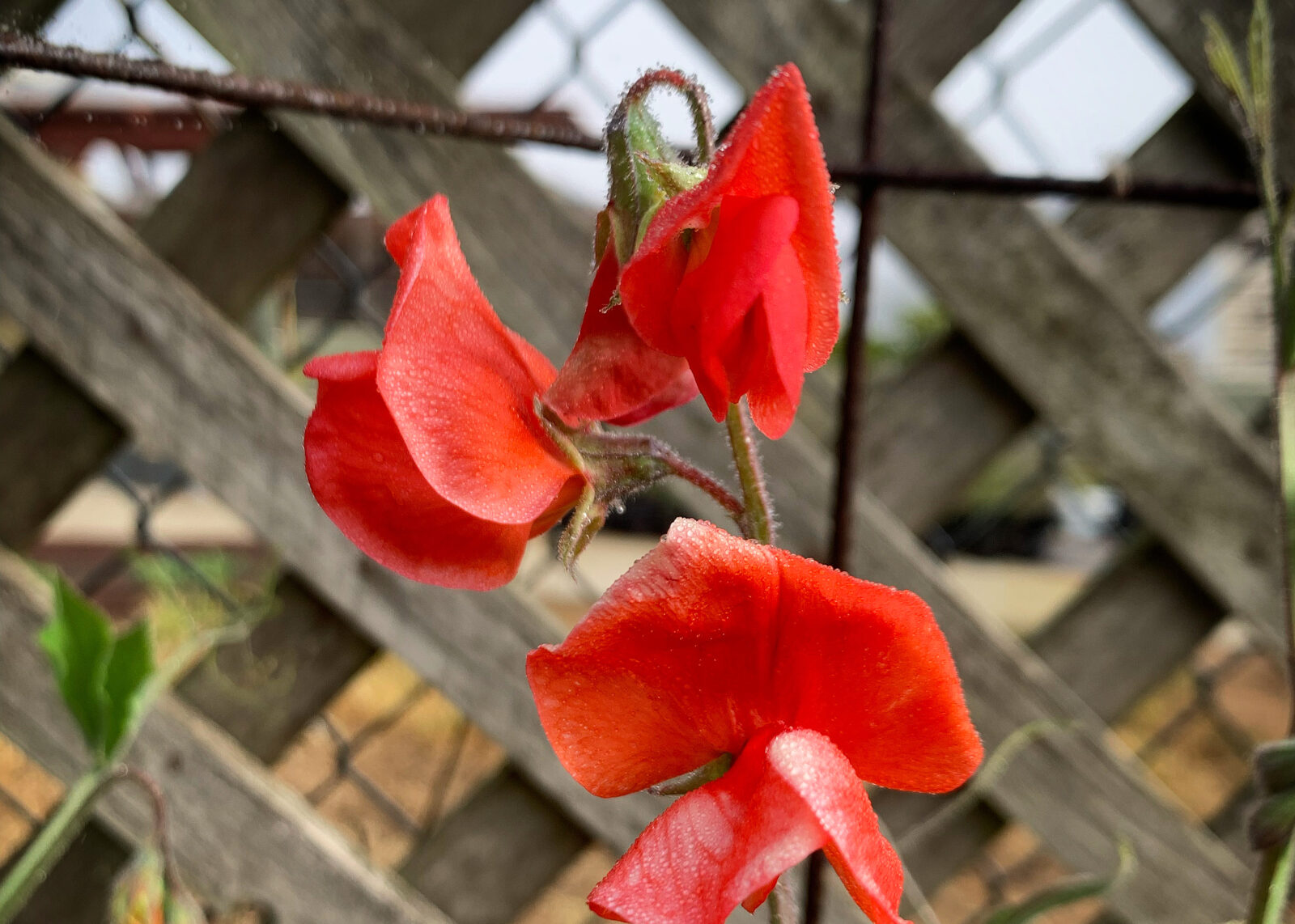
In the first third of the 20th century, the agricultural valleys of California were full of sweet peas grown for seed.
Read More
In the heat of the summer, few things are as refreshing as fresh watermelon! However, while the flesh of the watermelon is enjoyed, the rinds are usually discarded. Next time you eat a watermelon, don’t throw out the rinds! You can actually soften and pickle watermelon rinds for a sweet and sour treat.
Read More
The term “heirloom seeds” has increased in popularity in recent years, but what exactly does it mean? “Heirloom” describes a seed’s heritage, specifically a documented heritage being passed down from generation to generation within a family or community.
Read More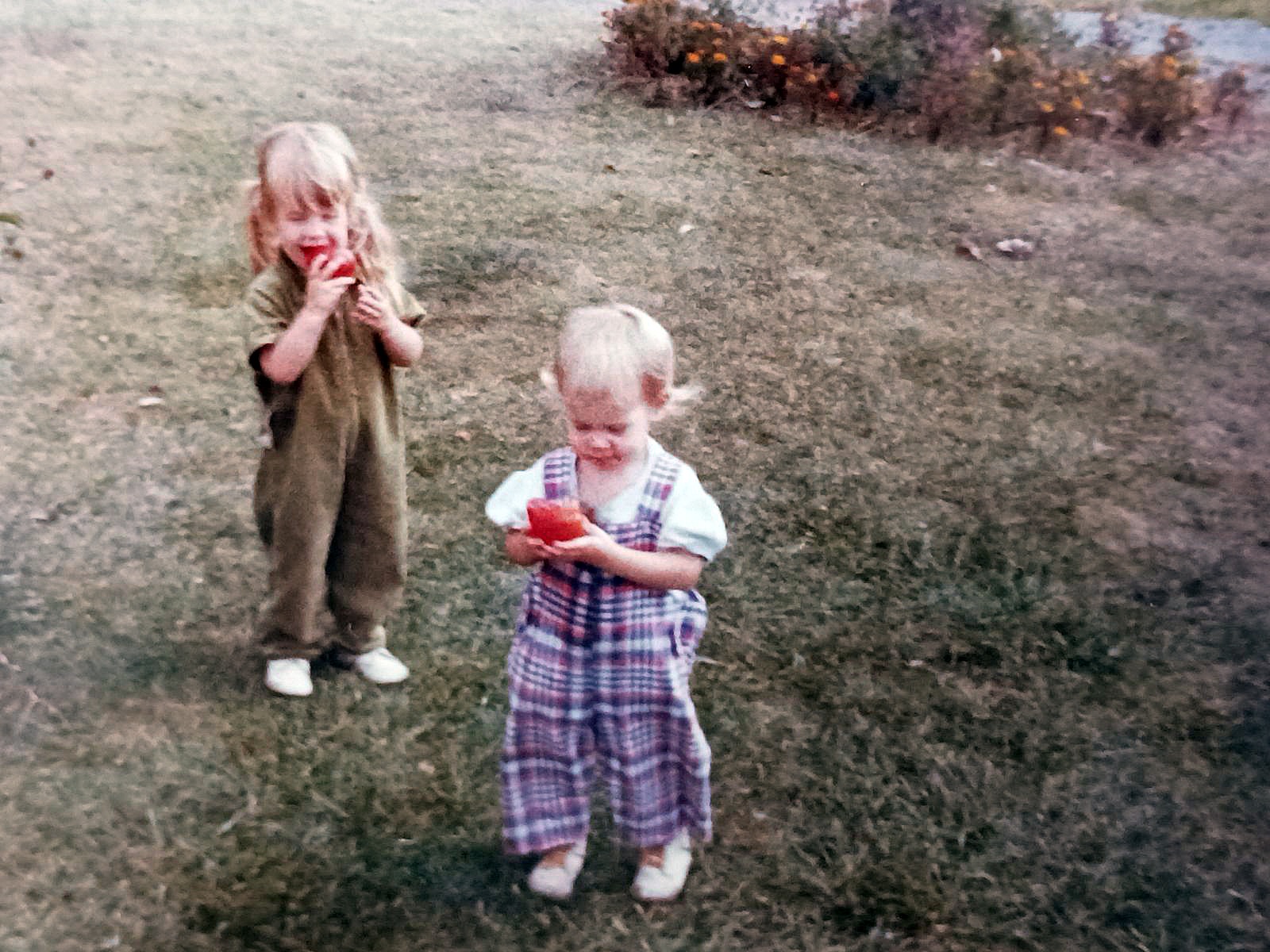
My path to seed saving started around the age of four. I knew that those red things (tomatoes) my mom had picked were bad news.
Read More
While gardening in Arizona, I discovered the snake melon and carosello cucumbers as well as many other muskmelons that, for millennia, have been cultivated as delicious cucumbers.
Read More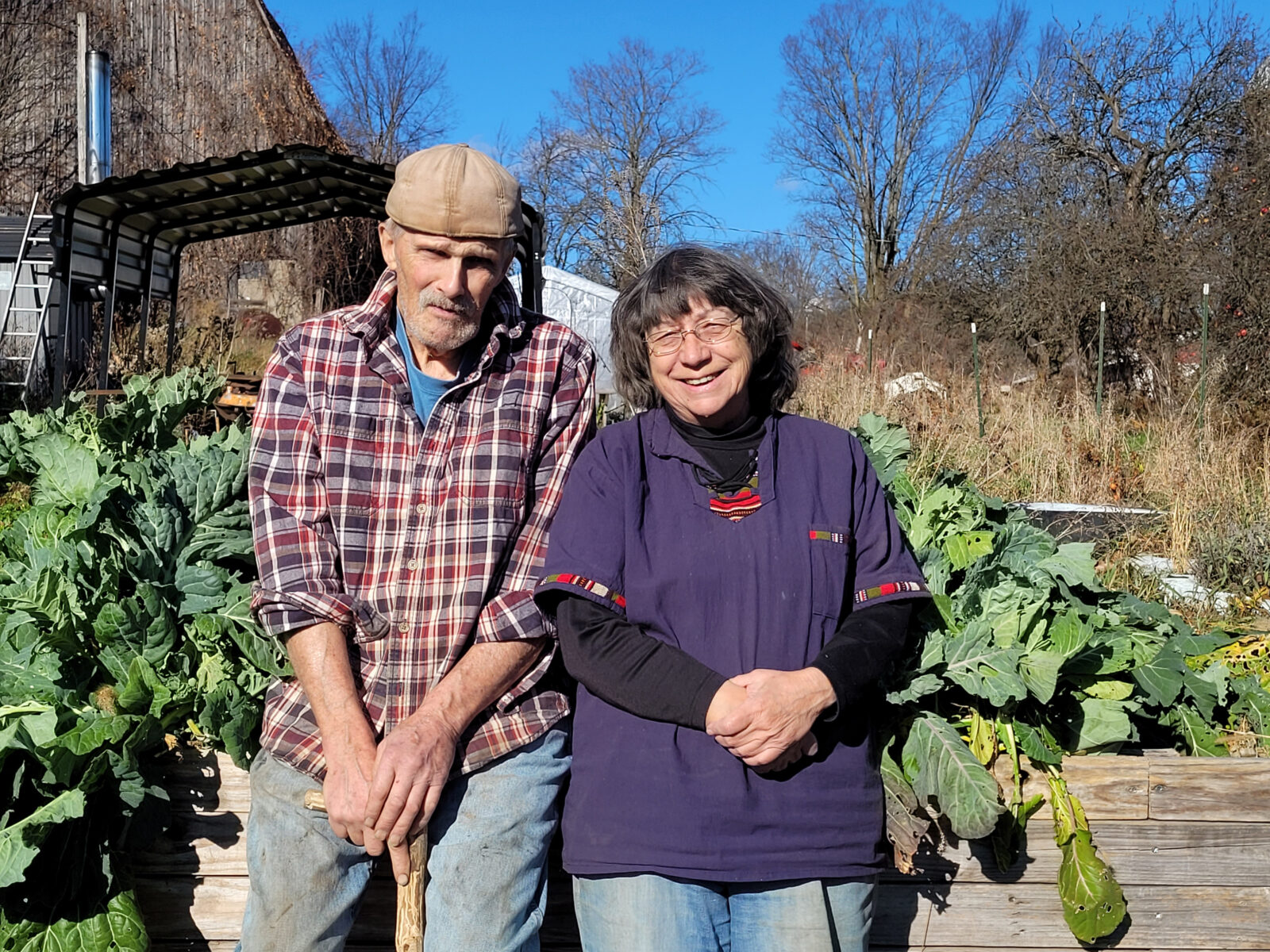
My fascination with seed diversity started when I saw a colorful display of dry beans in one of the seed catalogs I had requested.
Read More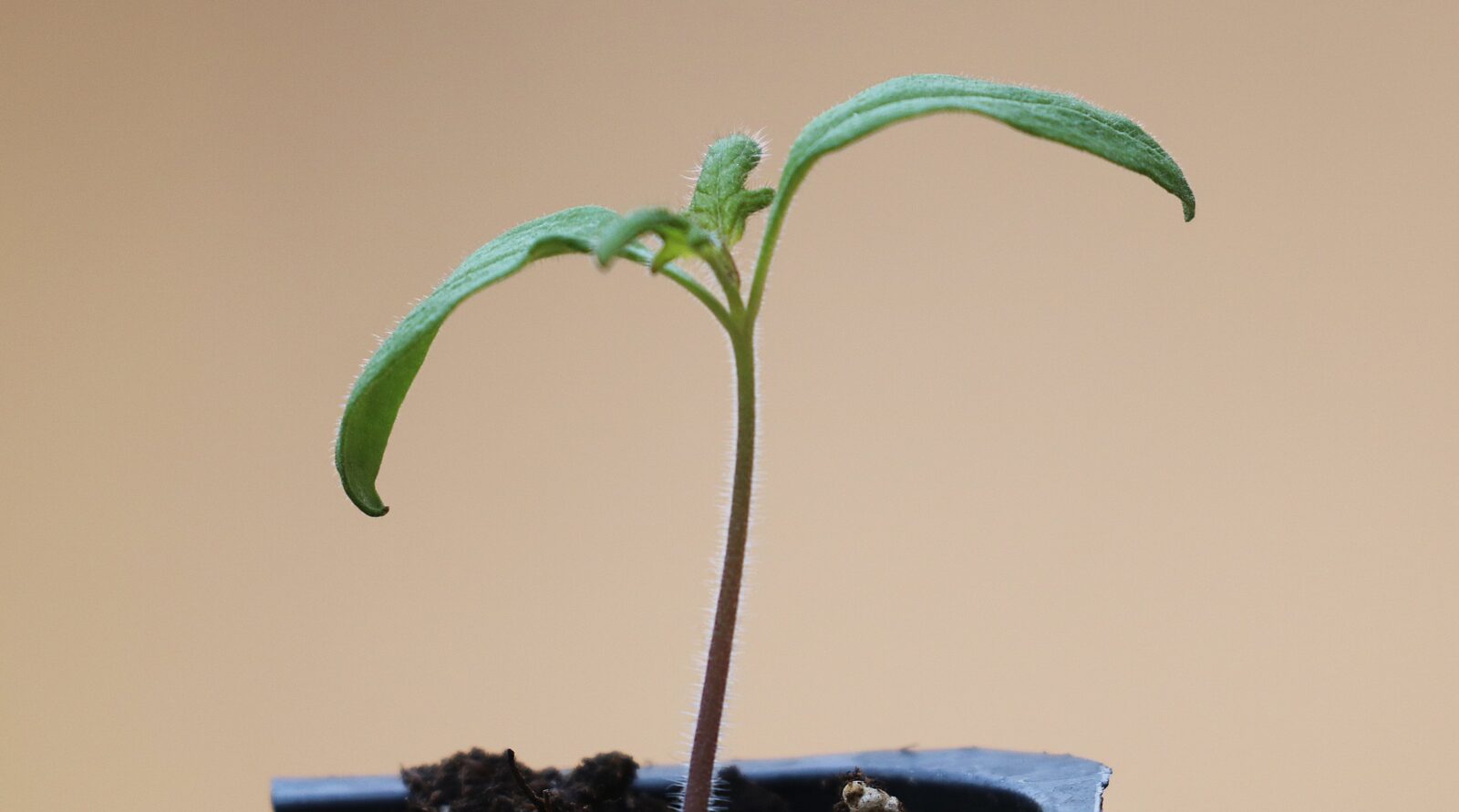
What?! I have to toss some of these perfectly healthy seedlings I worked so hard to start? Which do I save and which do I not? That is the reaction of many a new gardener upon first learning that thinning seedlings is a necessary step to ensure healthy growth of plant starts. The reality is that, if left in crowded environs, your seedlings will eventually suffer.
Read More