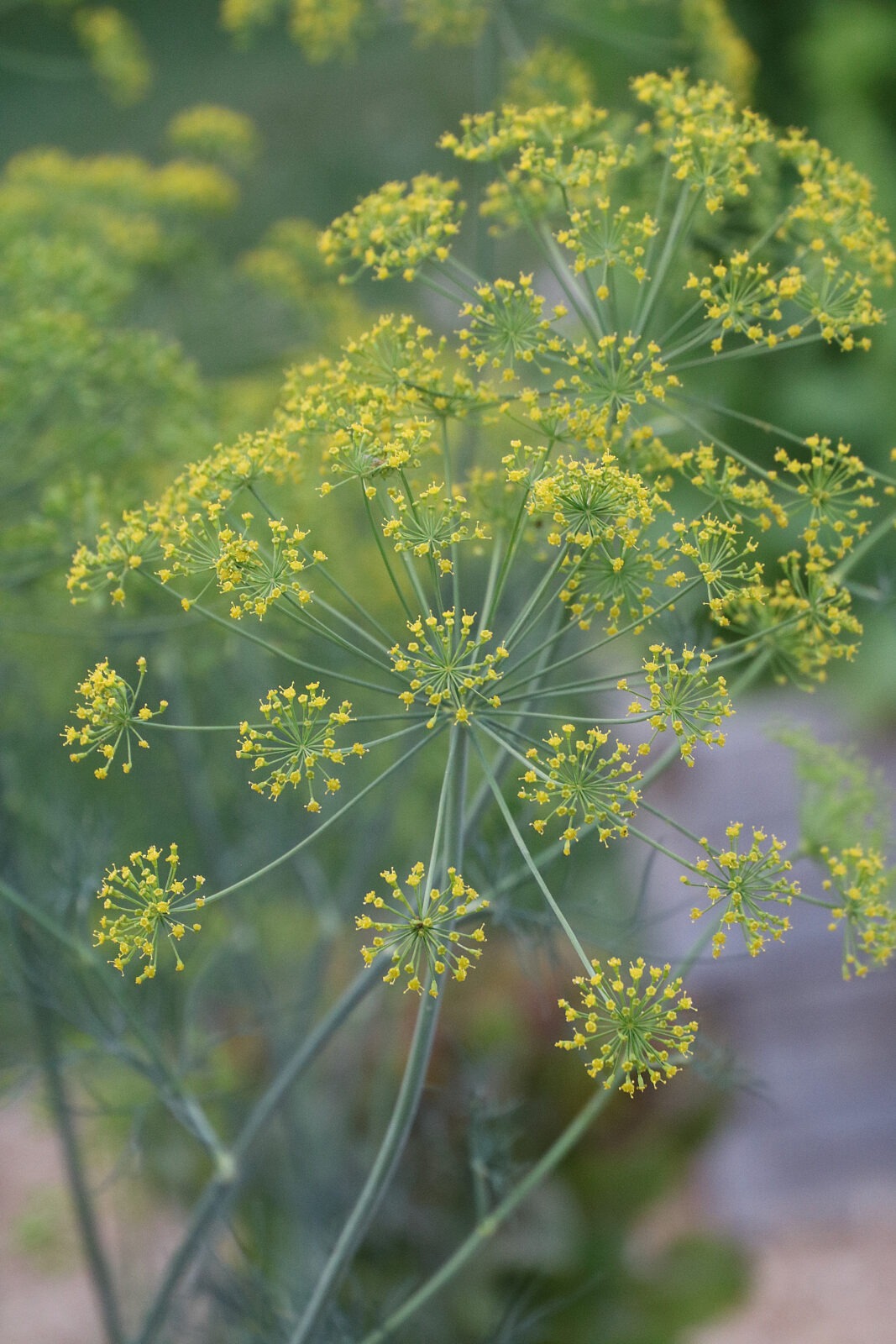
Grandma Einck and Her Blue Ribbon-Winning Dill
From its large, fragrant heads to abundant, long-lasting foliage, ‘Grandma Einck’s’ dill boasts much to admire—including its fabulous story.
Read More
From its large, fragrant heads to abundant, long-lasting foliage, ‘Grandma Einck’s’ dill boasts much to admire—including its fabulous story.
Read More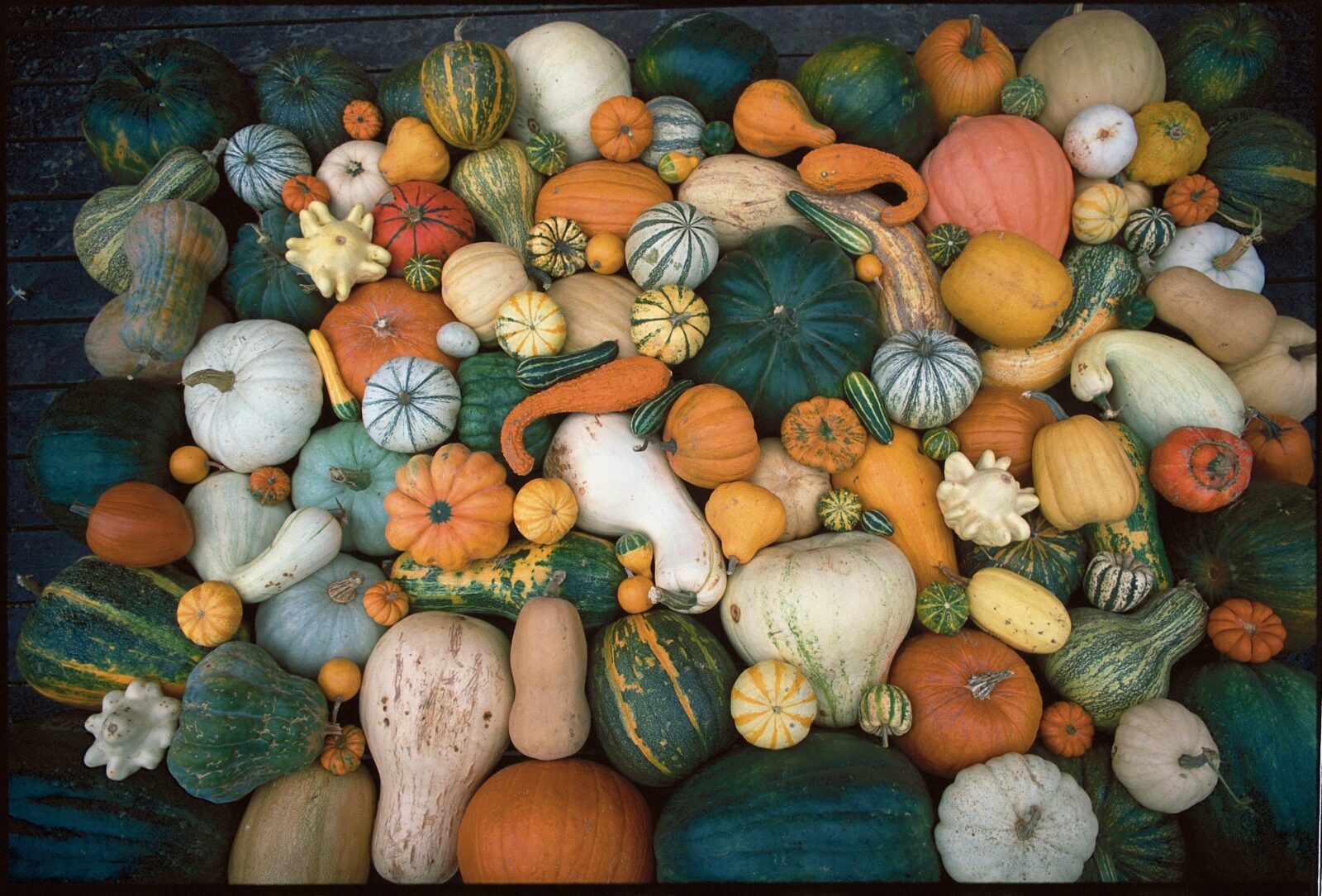
Hand-pollination of squash ensures that the plants produce true-to-type seed and that the flowers are not contaminated by the pollen from another variety when the required isolation distance is impractical. Because the large male and female blossoms are easily distinguished, hand-pollinating squash can be easy for gardeners of all skill levels.
Read More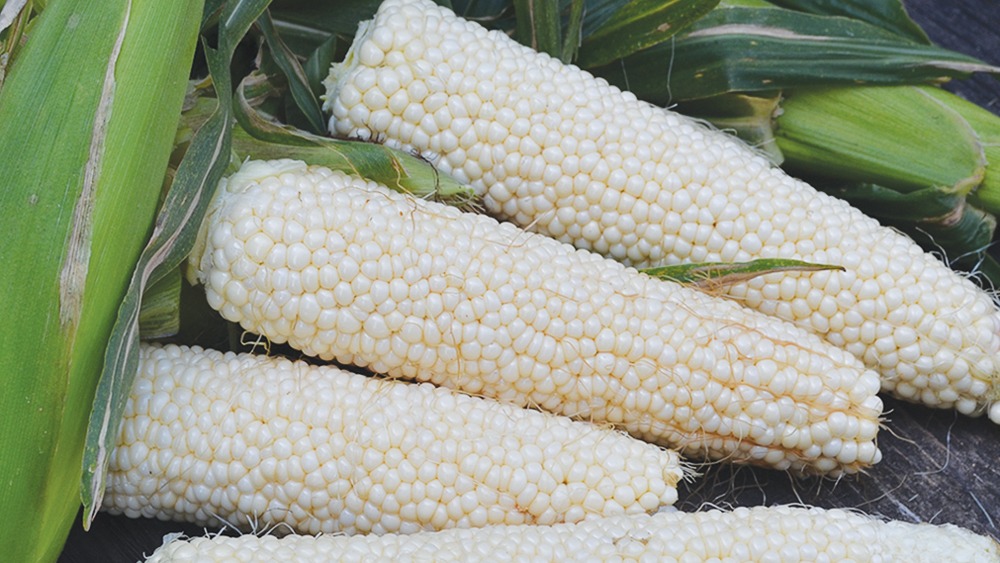
In absence of isolation, hand-pollination ensures that the corn plant’s flowers are not contaminated by pollen from another variety. Hand-pollination prevents hybridization and ensures that the plant produces seeds that are true-to-type.
Read More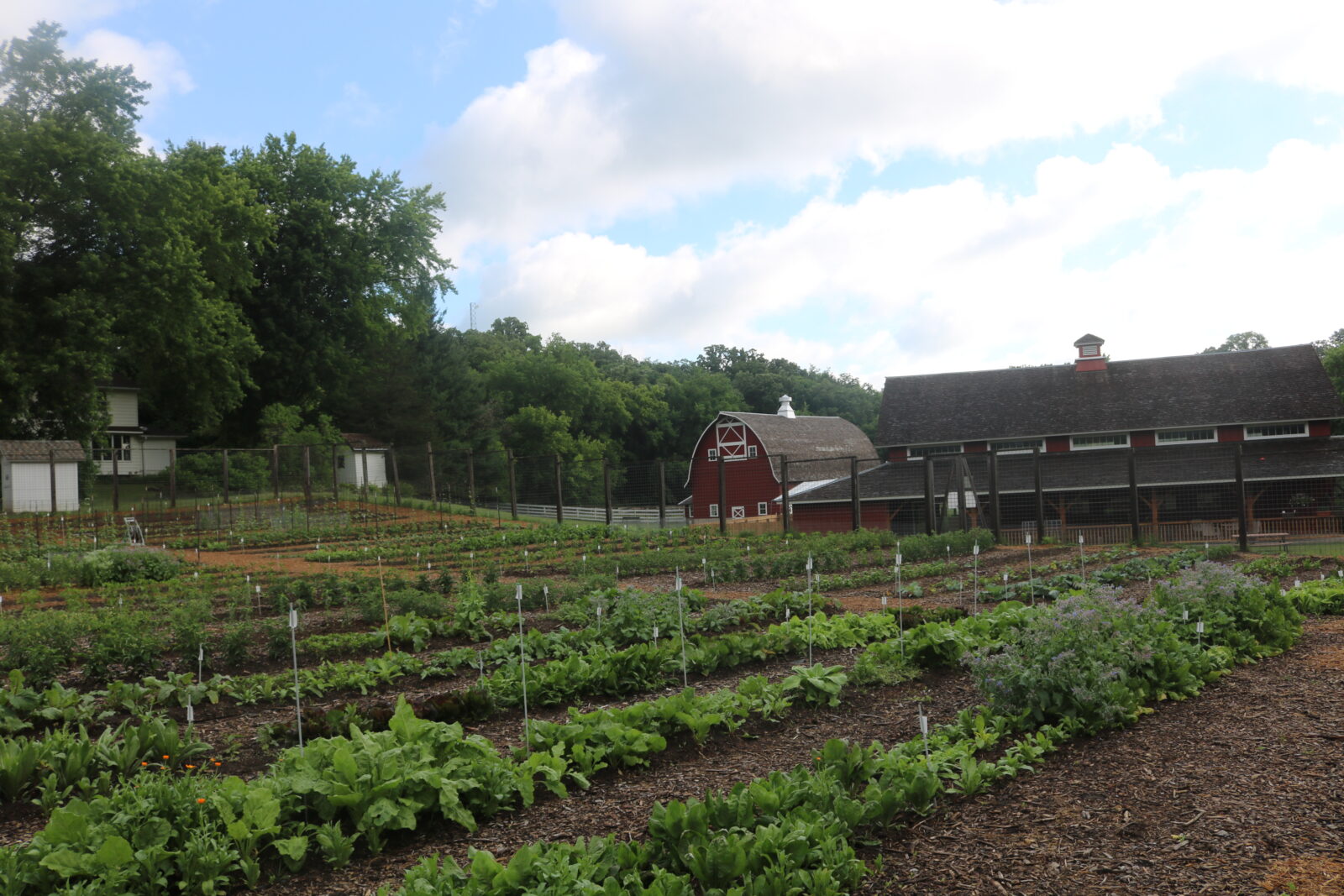
So maybe it doesn’t spark the excitement of National Doughnut Day (June 2) or National Chocolate Ice Cream Day (June 7) or even National Selfie Day (no, you haven’t missed that—it’s June 21). But here at Seed Savers Exchange, we think National Weed Your Garden Day—observed annually on June 13—has a whole lot going for it too.
Read More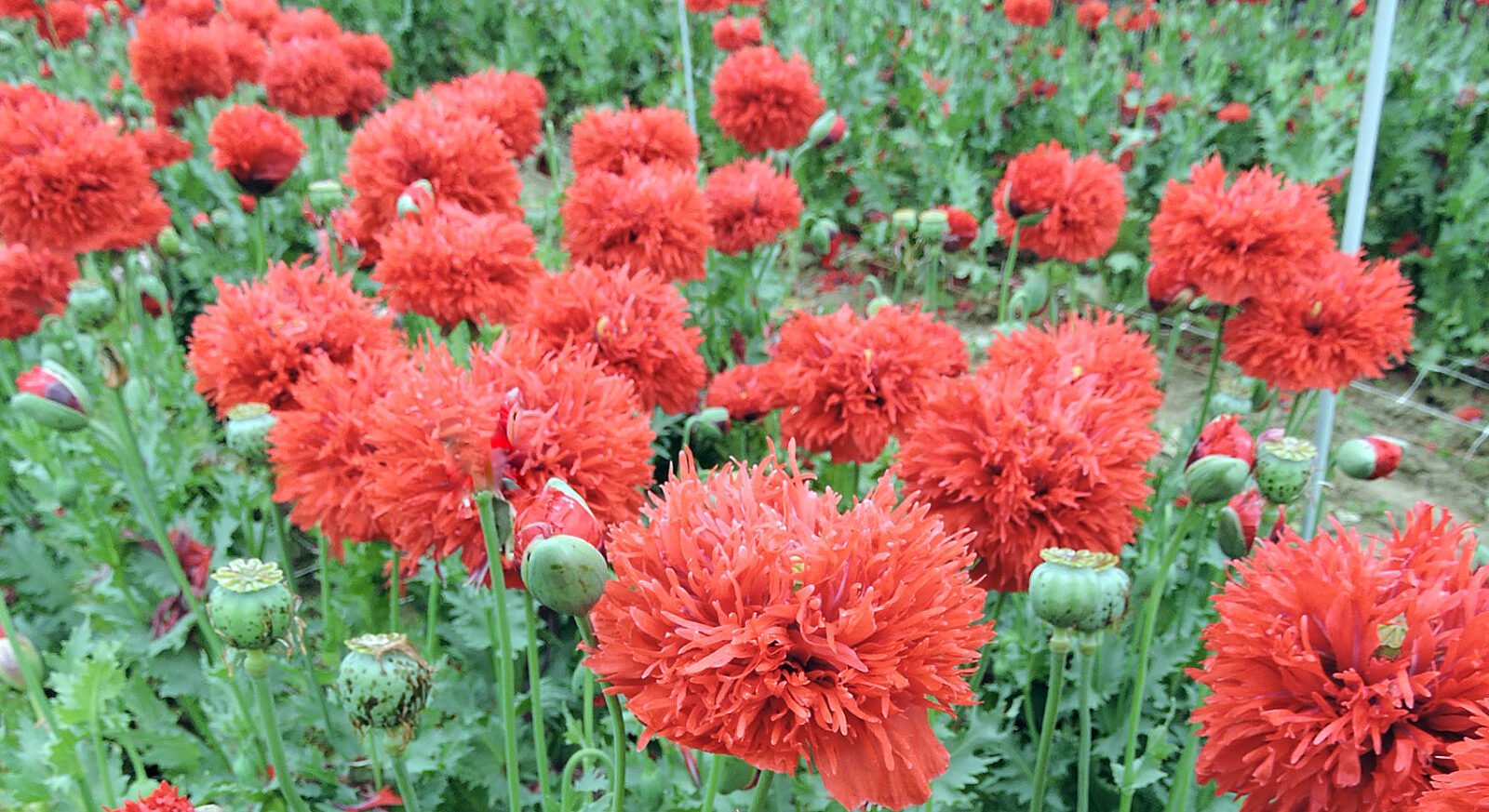
It’s little wonder the charming ‘Chima Family Heirloom’ poppy has garnered rave reviews from the gardeners who have grown it since it was introduced by Seed Savers Exchange in 2017.
Read More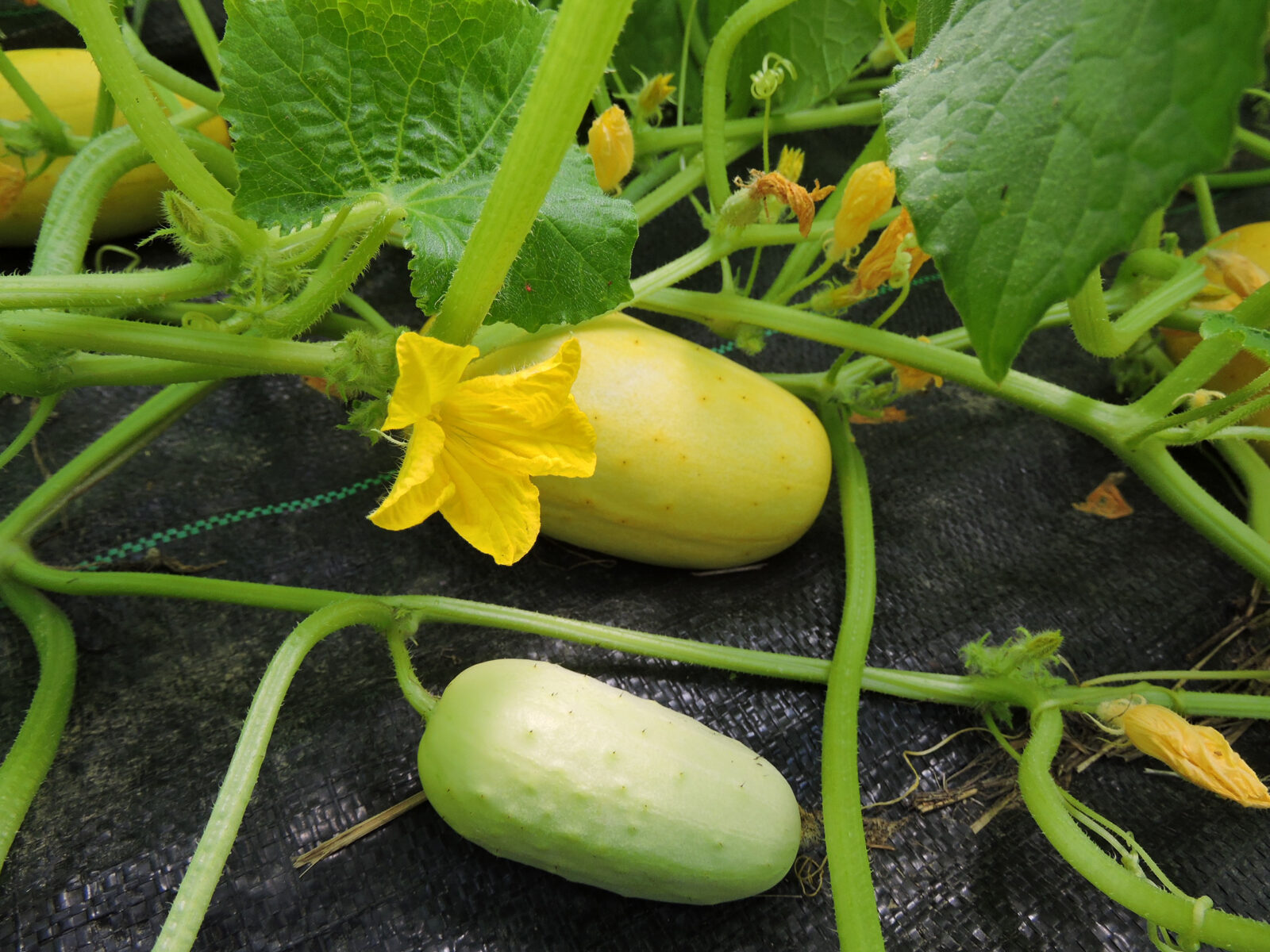
Marian Hart was a frequent lister in the Seed Savers Exchange Yearbook in the 1980s and 1990s. A gardener since 1962, Marian listed an assortment of crop varieties. But none of those varieties was as popular and beloved as her cucumber variety: the ‘North Carolina Heirloom’ cucumber.
Read More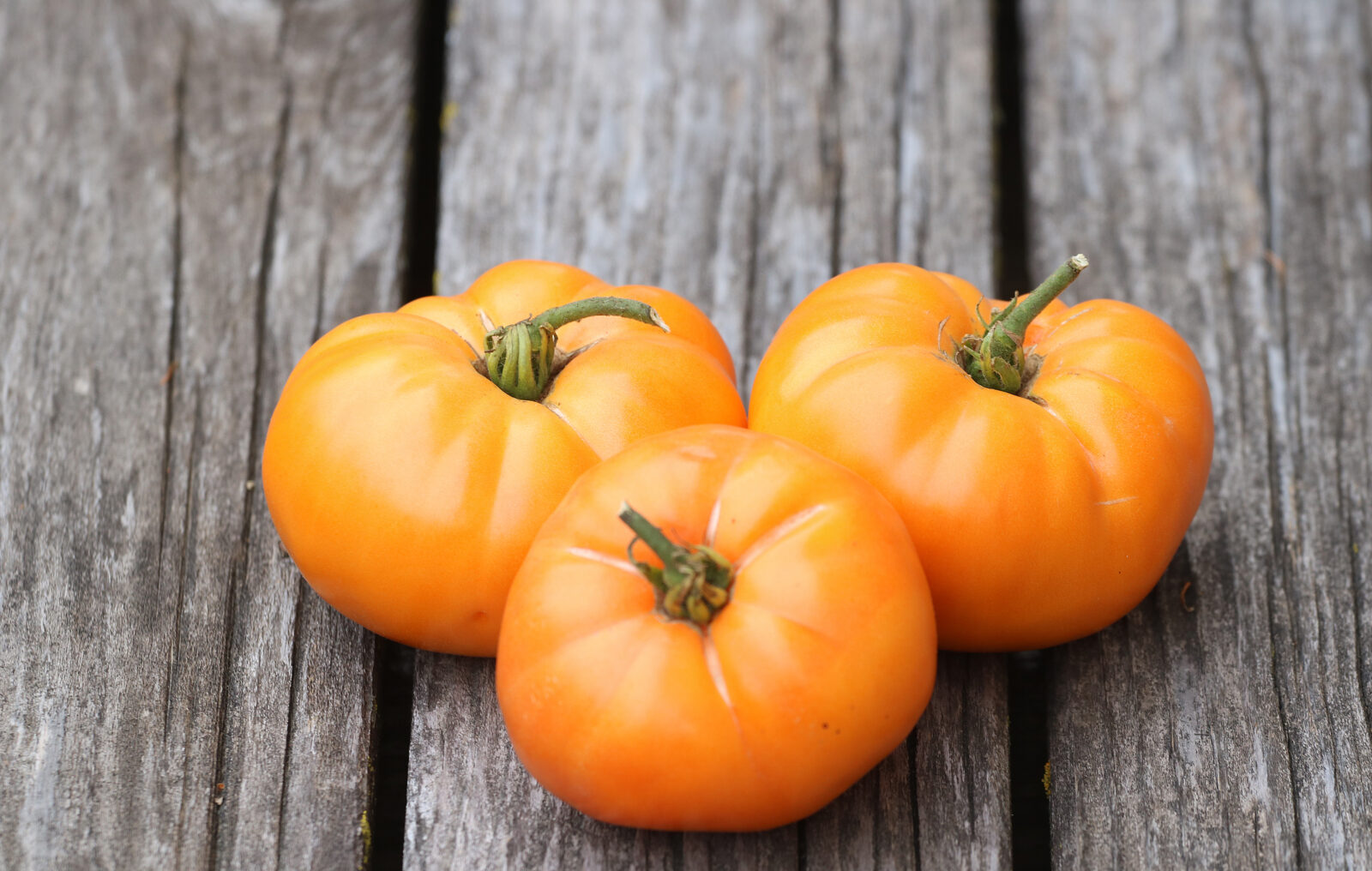
Betty Moore, a Seed Savers Exchange member from Stow, Ohio, holds a cherished family heirloom—a tomato variety that has been part of her family for years. This tomato has a rich history dating back to 1937, when Betty’s mother, Oma Rachel Lively Miller, received it from a relative upon her marriage. You might know it as ‘Oma’s Orange’ tomato.
Read More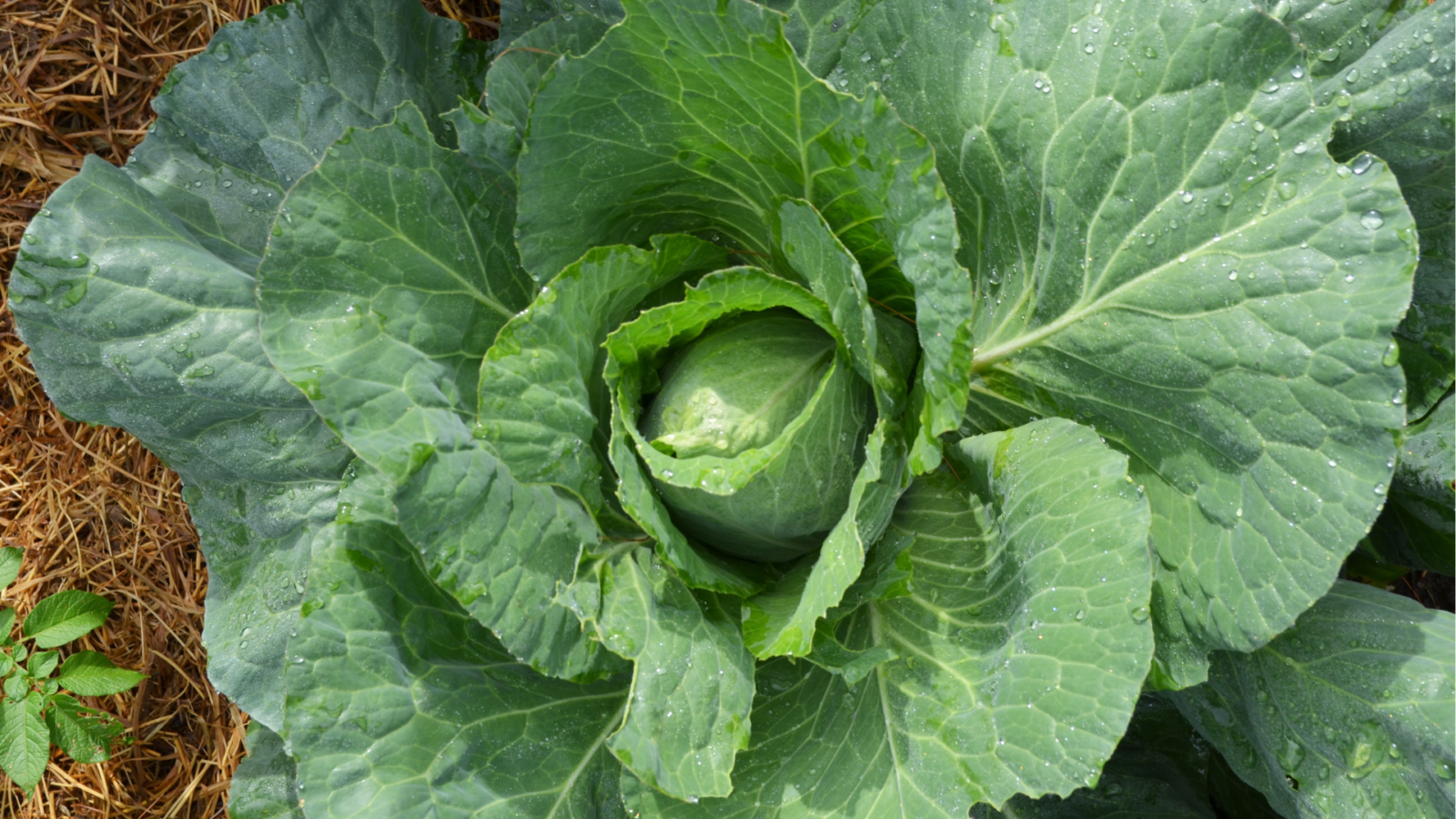
Discover the charm and utility of the ‘Early Jersey Wakefield’ cabbage, a beloved historic variety cherished by gardeners and food enthusiasts alike. First introduced in the United States in the 1840s, this short-season cabbage quickly won the hearts of gardeners for its reliable growth and delicious taste.
Read More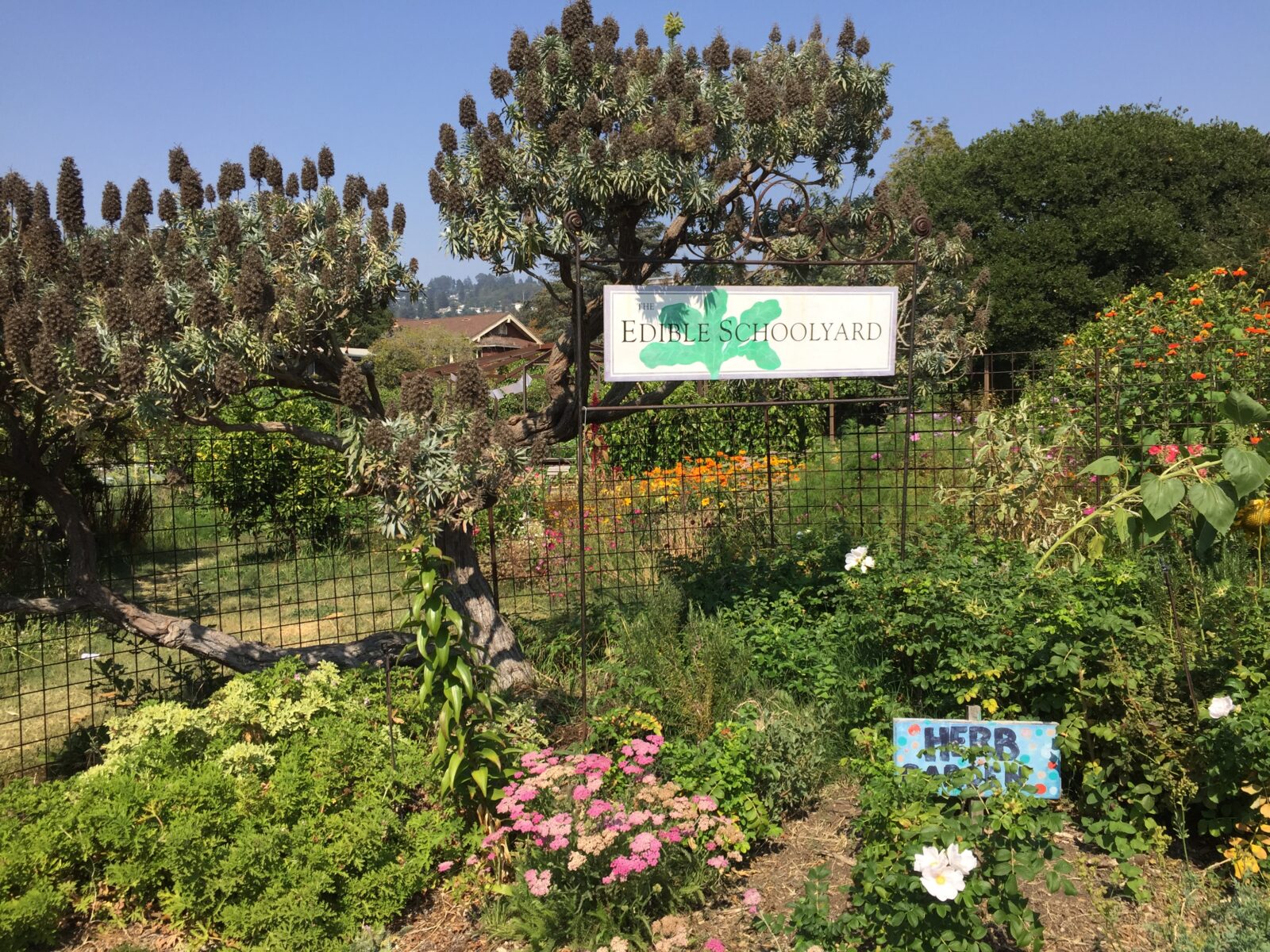
Seed Savers Exchange is excited to announce a multi-partner collaborative effort with Alice Waters’s Edible Schoolyard Project. This effort will continue the work of the Heirloom Collard Project and bring in longtime Seed Savers Exchange partner SeedLinked. The purpose of this project is to create a curriculum for middle school students around growing collard greens.
Read More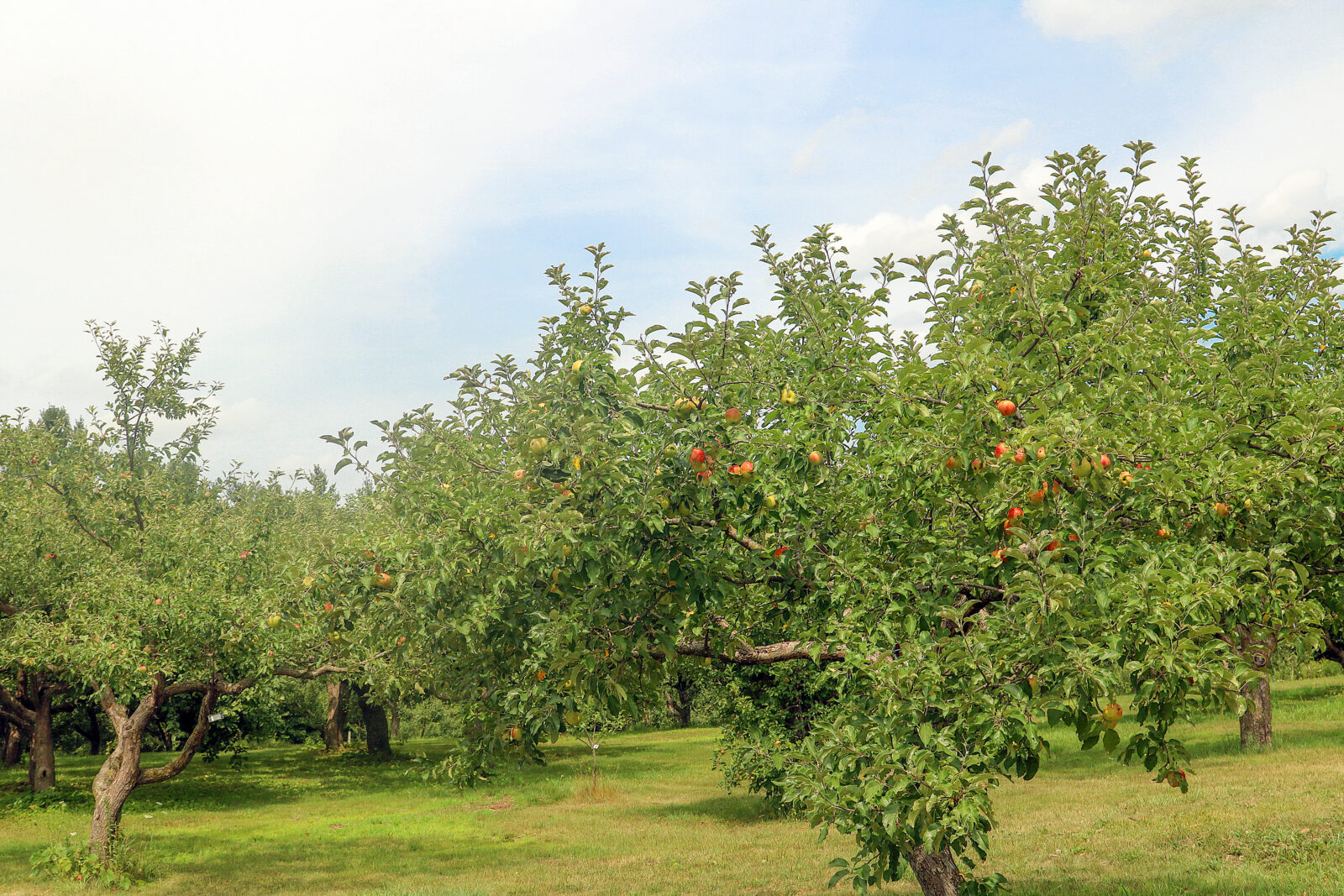
As an orchard intern, it was my responsibility to learn about the heritage apples grown here and research information about these historical varieties.
Read More