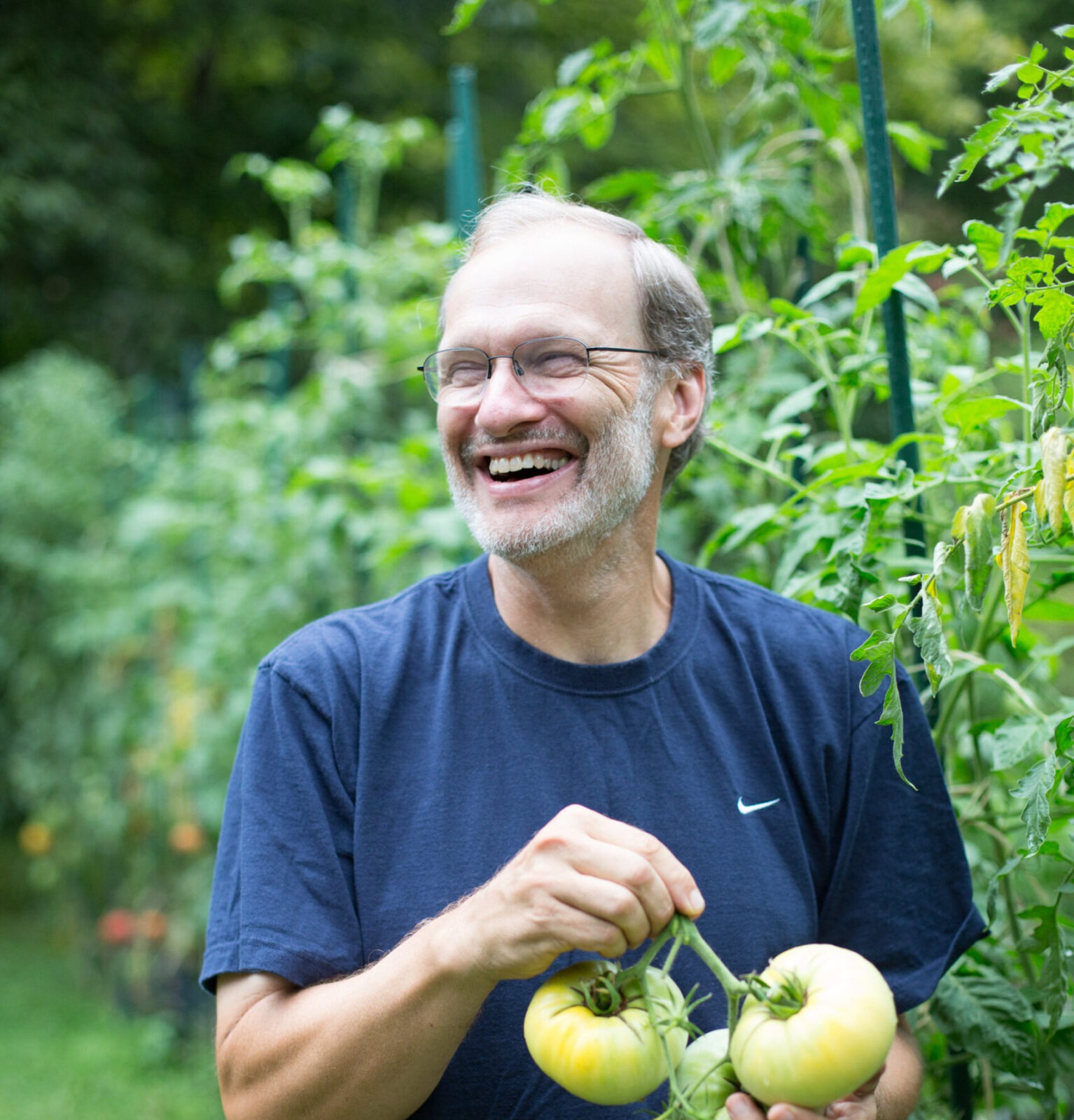
“I just enjoy growing things. I never get tired of watching things grow and develop.” – Charles L. Hoehnle
Charles has been saving and sharing seeds through the Exchange since 1991—and gardening even longer. From his roots in Iowa’s Amana Colonies to his blue ribbons at the Iowa State Fair, Charles’s life is a testament to the quiet power of stewardship, tradition, and seed saving.
For many gardeners, the gardening season dies down in the summer after the spring rush of seed starting and transplanting. However, gardeners can plant many things from July to September for a fall garden with harvests all the way up to winter, especially with changing climates. In fact, fall might just be the most underrated season for gardening!
Hope and Practice with Craig LeHoullier: ‘Participating in Seed Savers Exchange Changed My Life.’ It is hard for me to believe, but my discovery, joining, and total immersion into Seed Savers Exchange happened in 1986. SSE was a mere child of 11, and I was a young husband, father, and relatively inexperienced gardener of 30. Though I am still a husband and father—and soon-to-be grandfather—my gardening experience has grown significantly, with much of the credit going to the life I’ve lived as an SSE member.
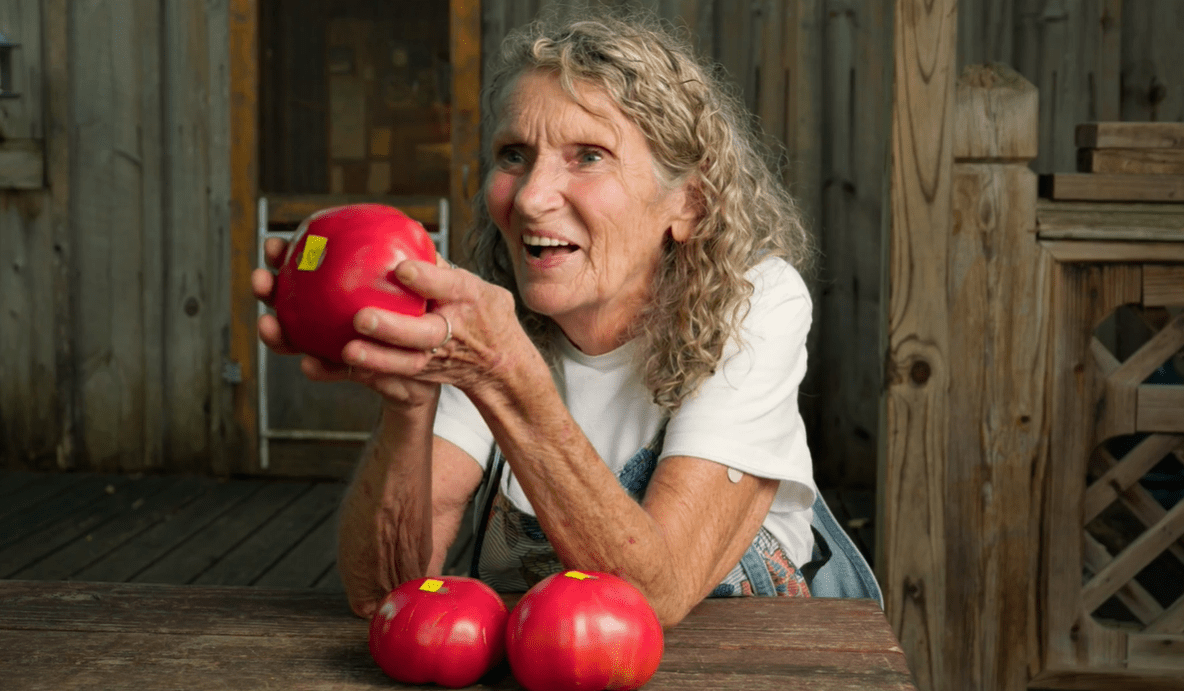
Peg Davis of Snow Spring Farm in Virginia’s Shenandoah Valley finds happiness and purpose in growing and stewarding heirloom tomatoes, including ‘Peg O’ My Heart, which she recently donated to Seed Savers Exchange.
Did you know you can still plant in your garden in June? Odds are good you’ve already transplanted your tomatoes and peppers and harvested lettuce or other greens to serve up fresh for dinner. Yes, your garden has sprung to life, but if you’re interested in more than just weeding and watering, plenty of crops are still ripe for planting in many regions of the United States.
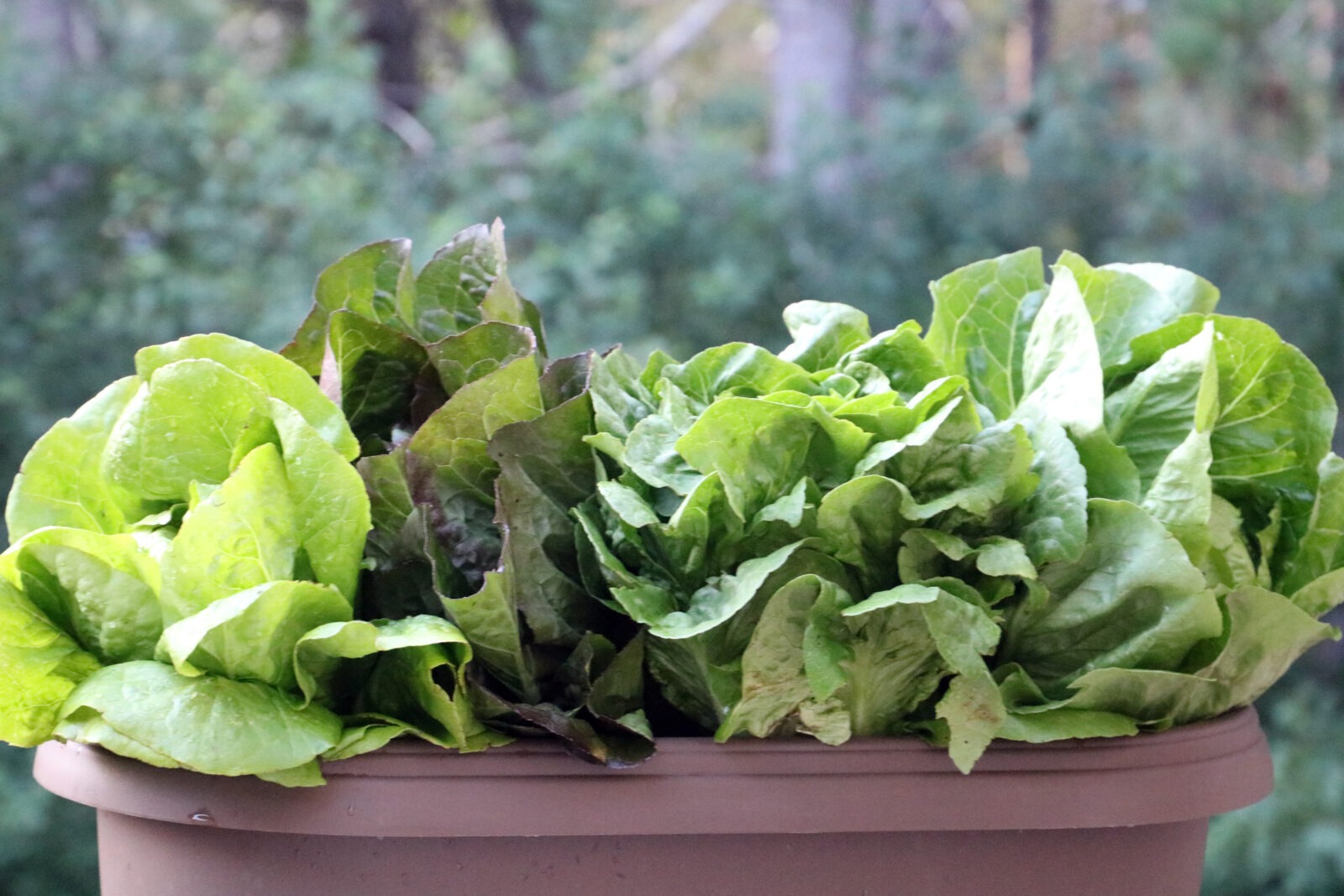
What can you plant in a container? The better question might be, what can’t you? Vegetables, flowers, herbs—almost any plant can thrive in a container as long as it has the proper soil and care. When land space is unavailable, container gardening provides a viable alternative for you to grow your own food and a beautiful garden.
Health, Safety, and Security at Seed Savers Exchange 50th anniversary conference and celebration. The safety and well-being of our speakers, guests, and staff is paramount. Organizers work closely with local officials to ensure the safest possible experience. You’ll notice staff identified with bright blue Seed Savers Exchange shirts on Friday, and red shirts on Saturday, throughout the event grounds. They are there to keep you safe, so don’t hesitate to ask them for help if you need immediate assistance.
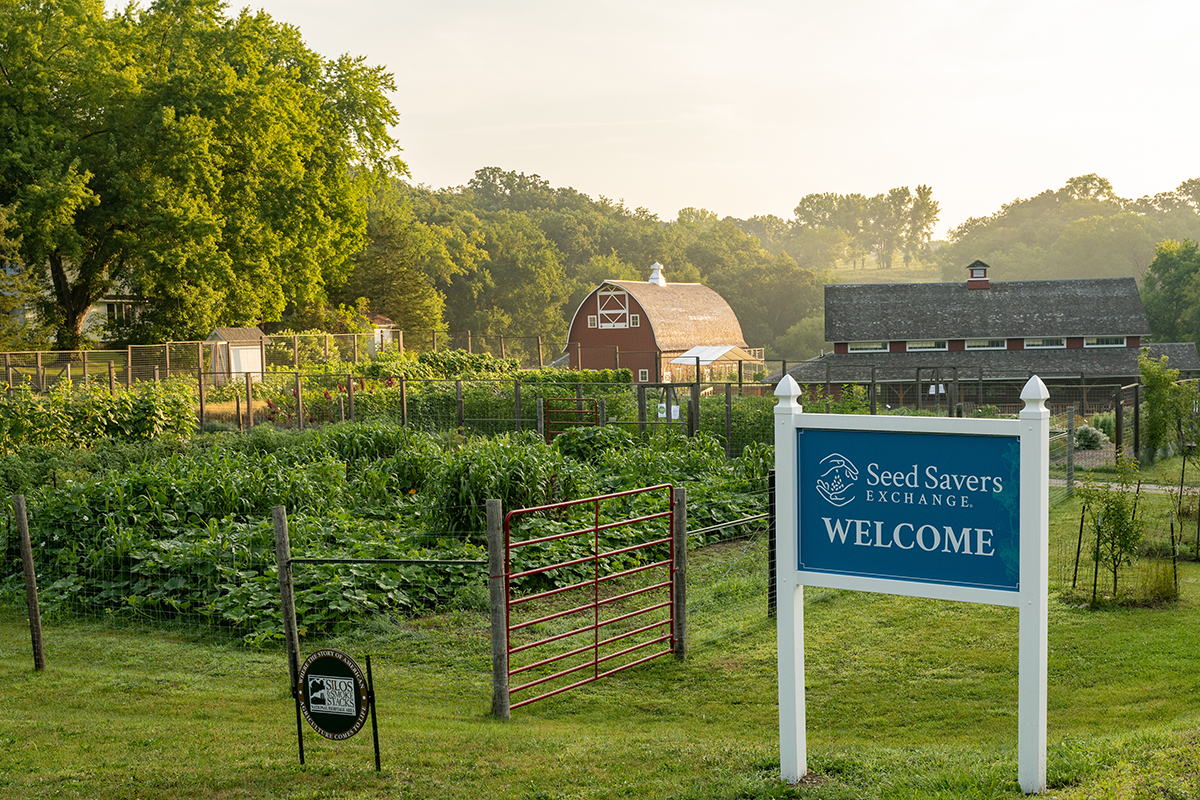
We look forward to seeing you at Seed Savers Exchange’s headquarters, Heritage Farm! Get prepared for the 50th anniversary conference and celebration ahead, and read over our “know before you go,” tips for the day.