Garden Soil Health
A thriving, productive garden begins with healthy soil.
A thriving, productive garden begins with healthy soil.
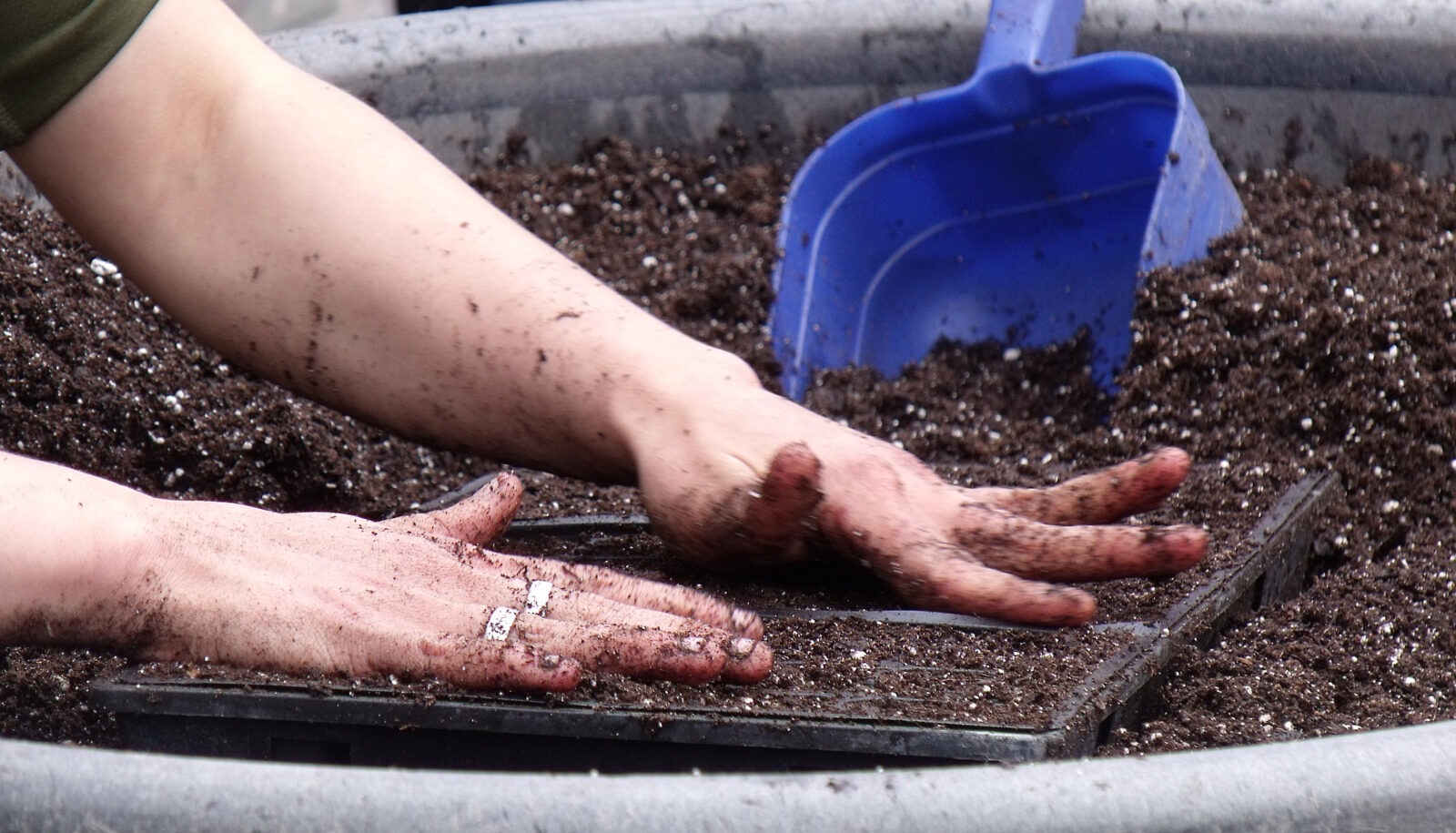
 A thriving, productive garden begins with healthy soil. Healthy soil is a combination of minerals (of sand, silt, and clay), rock, water, air, and organic matter (plant and animal residue), as well as an abundance of diverse microorganisms (bacteria, fungi, algae, worms, and arthropods). These organisms sustain an intricate, subterranean “food web,” recycling nutrients that provide a natural, steady, and reliable source of sustenance for growing plants. Because organic matter fuels and sustains this nutrient-recycling process, you’ll want to ensure your garden soil is fertile and has enough of the organic matter it needs.
Soil types range from sand to clay; soil that falls somewhere in the middle of these extremes is called silt. Silt is the mid-range particle size between sand and clay. Soil with a balance of sand, silt, clay, and organic matter is called loam. Soil type determines which plant varieties will grow best in a given location and can provide clues for managing your garden successfully.
For example, sand is a very large particle, and makes soil porous, which means water moves very quickly through the soil. While this helps prevent flooding after heavy rain, it also means a gardener may need to water plants more often as water drains from the root zone too quickly for plants to adequately absorb all of the moisture they need.
On the other hand, clay soils are composed of very small particles and therefore have small pores, which generally results in poor drainage. Small pores also provide less space for air in the soil, making these soils more prone to compaction, which can inhibit root growth. Learn more about gardening with clay soil.
If many of the plants in your garden are suffering and no pest or disease problems are visible, soil health may be the issue.
The first step in addressing soil health is to collect a soil sample. Your local extension office will likely be able to send a sample of your soil to a soil-testing lab. The test results will provide information about soil pH and nutrient deficiencies. Most vegetables prefer a pH between 6 and 7, so if your results fall within that range, pH is not the problem. Try this at-home soil pH testing kit.
To prepare samples for the lab, dig 6″–12″ deep, collect a sample of the soil, and put that sample in a clear plastic bag. If you have a larger garden, it’s a good idea to get a few samples from different sections of the garden; place those samples in separate bags and label the bags with the location from which each sample was drawn. Make sure the soil is air-dry before sealing the bag and sending it to your extension office.
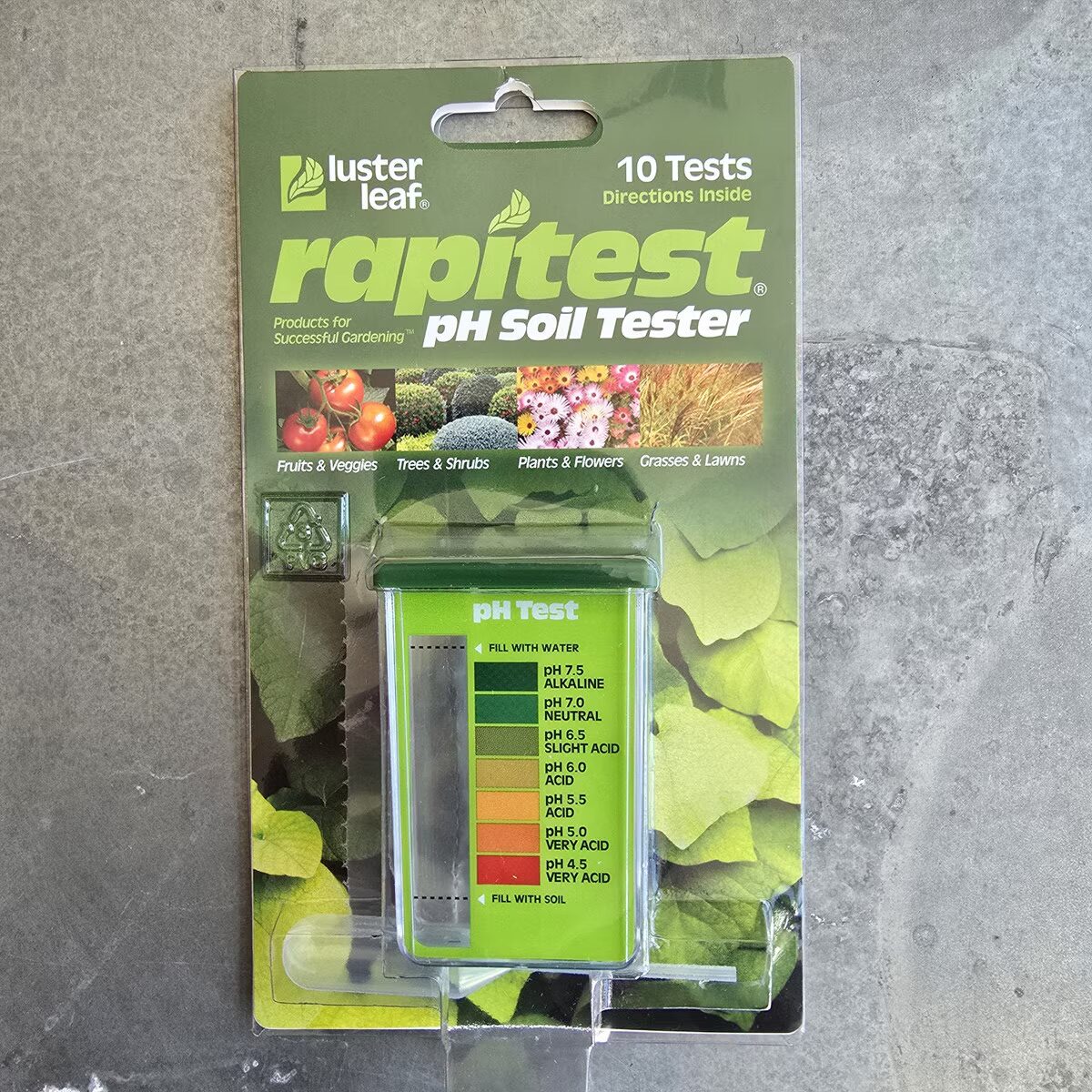
We offer at-home pH soil testing kits on our website. Get one here!
Nitrogen
Symptoms: Pale green/yellow leaves, poor plant growth, spindly plants
How to address the problem: Add a nitrogen source to the soil (liquid fertilizers for quick release, solid fertilizers for more gradual release). Animal byproducts, like chicken feather meal or worm castings, are good organic sources of nitrogen.
Phosphorus
Symptoms: Purple leaves, weak plants
How to address the problem: Add phosphate or green sand to the soil.
Potassium
Symptoms: Brown tint around edges of leaves, curled leaf edges, purple spots on the underside of leaves
How to address the problem: Add potassium or potash to the soil. Compost made from food byproducts is a great source of potassium, particularly from bananas. Coffee grounds also contain potassium. Wood ash contains levels of potassium but should be used lightly, avoiding contact with germinating seedlings and plant roots.
Low pH
Symptoms: Wilting leaves, yellow spots
How to address the problem: Adding lime (the mineral) to the soil is the best option. Other options include baking soda or dried and pulverized eggshells.
High pH
Symptoms: Stunted growth
How to address the problem: Add sulfur to the soil. Sprinkle sulfur powder or pellets over the soil and rake in. Other options include adding more organic matter. Adding organic matter to increase sulfur levels is a slow and continuous process, occurring year after year.
A few key methods can help ensure soil is healthy for many gardening seasons to come.
Crop rotation is the practice of rotating different crop families in your garden space. This means that you shouldn’t plant crops from the same family in the same place year after year. For example, eggplants, tomatoes, and peppers are all part of the Solanaceae family, so if you plant eggplant in a corner of your garden this year, next year you should avoid planting eggplant, tomatoes, and peppers in that spot. This helps reduce pest problems and cut down on disease occurrences, as some diseases can remain in the soil for several years after being introduced.
Crop rotation also helps balance the soil nutrient levels. Some crop types pull out or fix different nutrients in the soil, usually nitrogen. Without rotating crops, you are continuously removing or adding that nutrient, disrupting the soil’s nutrient balance.
Crop families:
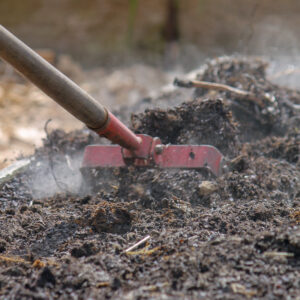
The importance of adding compost and other organic matter to soil cannot be understated. Compost has many benefits:
Compost is also a great way to amend your soil based on your soil type. Compost improves the drainage of heavy clay soil. Conversely, compost increases the water-holding capacity of light, sandy soils.
Article and Video: Learn more about how Seed Savers Exchange uses compost at Heritage Farm.
 Compost Application Rates
The amount of compost a garden needs depends upon many factors, beginning with the amount of organic matter it already contains. This includes the use of cover crops, mulch, and decaying plant material from the previous season. A garden soil that contains five to ten percent organic matter is ideal.
The recommended compost application rate for a new garden or when restoring garden soil is 4″–6″ of organic matter per square foot. (Be sure to incorporate the compost deeply into your soil, up to 24″.)
For existing garden maintenance, use two to three inches of compost per foot, being sure to incorporate the material into the top 8″–10″ of your soil.

Mulching is another way to add organic matter to the soil, providing a “slow release” of nutrients. Choose natural mulches such as shredded leaves, untreated wood chips, straw, dried pine needles, and untreated glass clippings. Keep in mind that wood chips break down slower than other mulches.
Mulching has a myriad of other benefits:
In addition to crop rotation, it’s a good idea to plant a cover crop in beds that are not in use. A cover crop is a crop planted specifically to cover the soil, as opposed to cultivation.
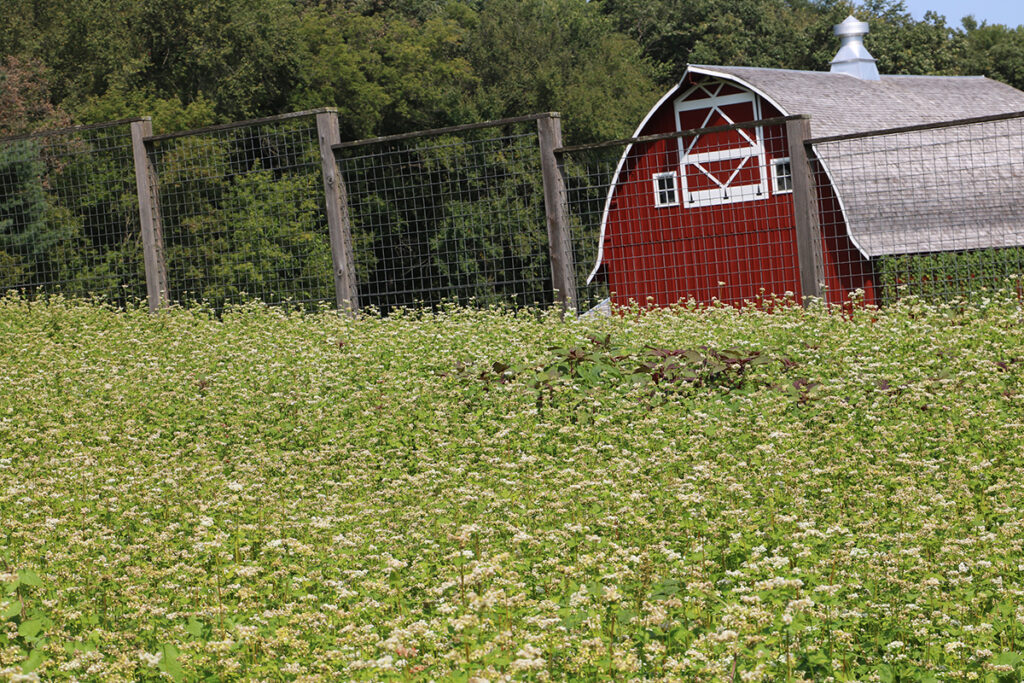
Cover crops have several benefits:
Some cover crops, such as red clover and hairy vetch, are especially good choices as they have high nitrogen content. In the spring, cover crops are simply turned under and incorporated into the soil with a broadfork to provide nutrients for next year’s crops. A no-till way to incorporate cover crops is to cut the plants down and cover the area with a tarp for a couple of weeks before planting, creating a natural mulch to plant into.

When it comes to cover crops, pay attention to timing—you don’t want these crops to go to seed and create weed problems in the future.
Soil-Building Food Crops and Ornamentals
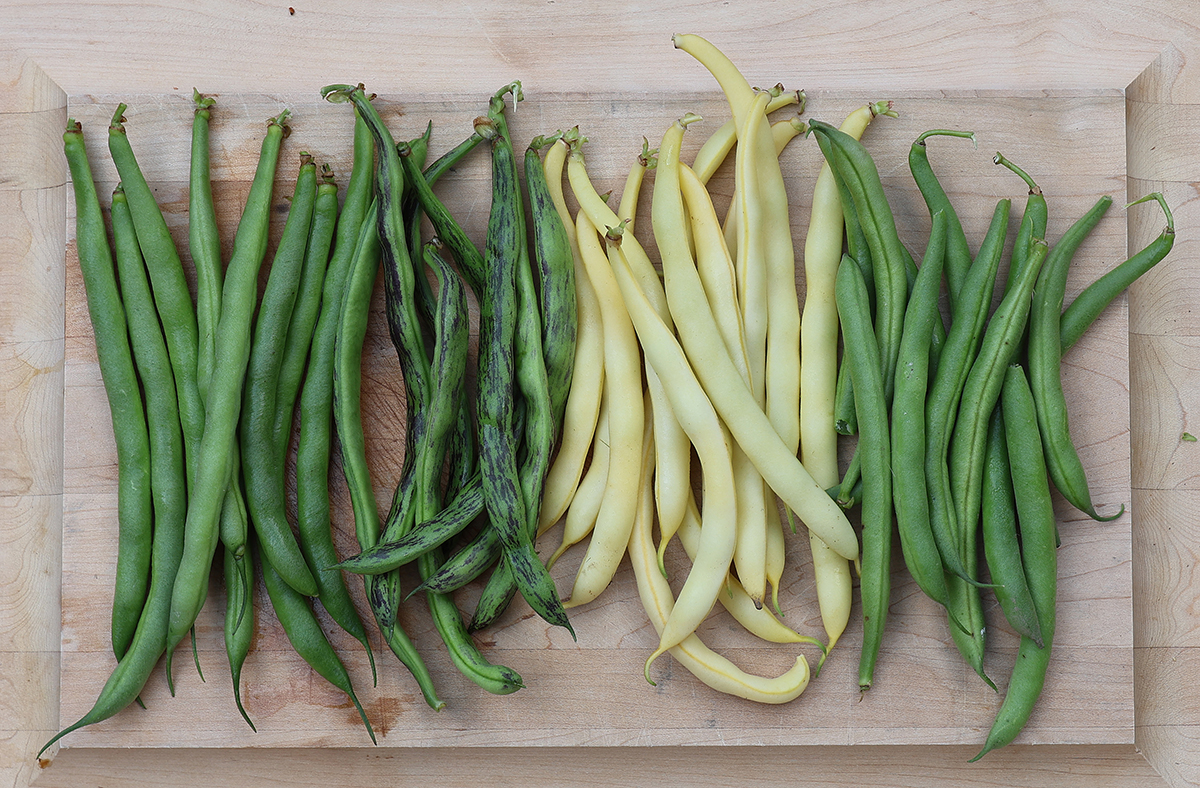
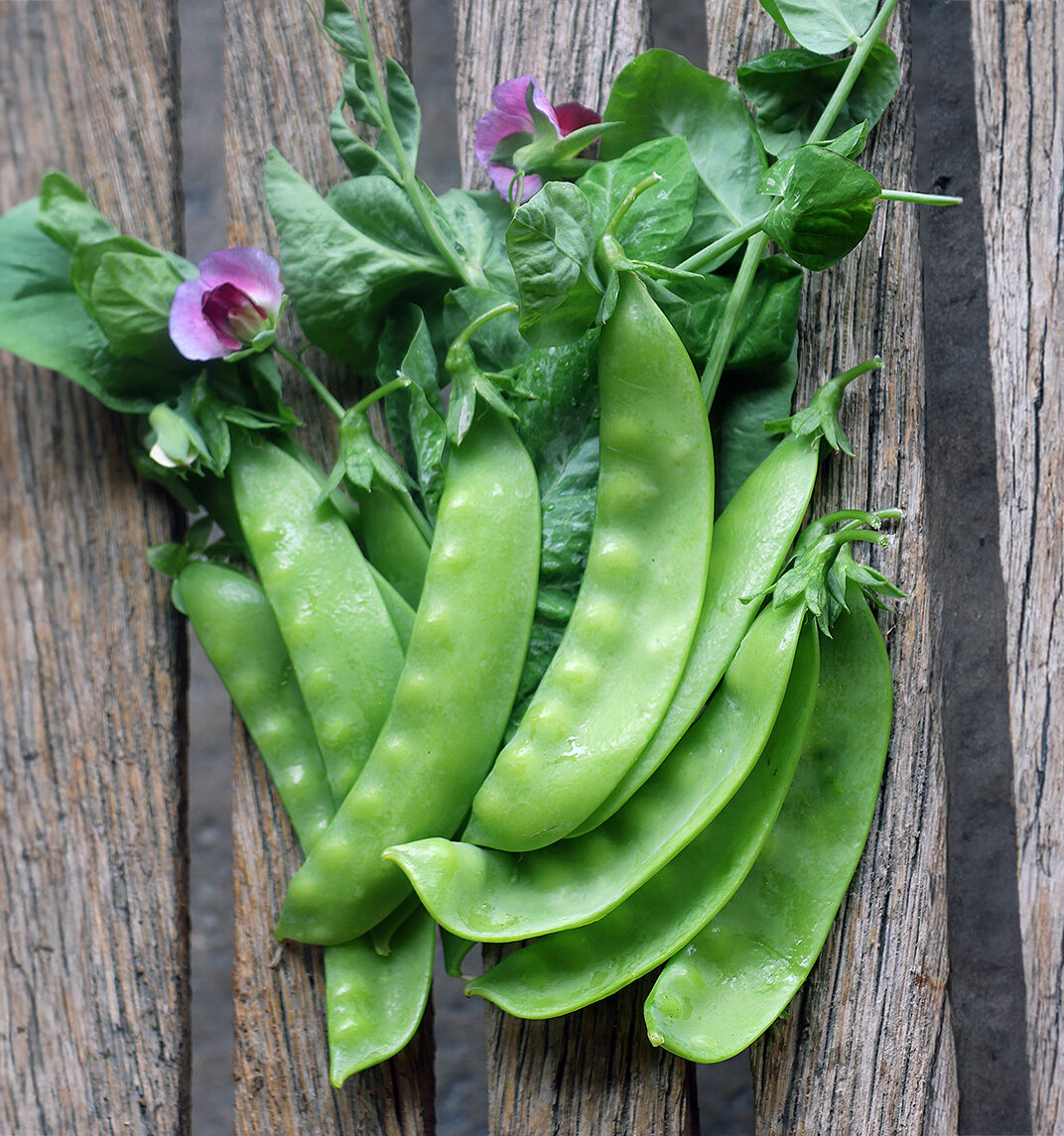
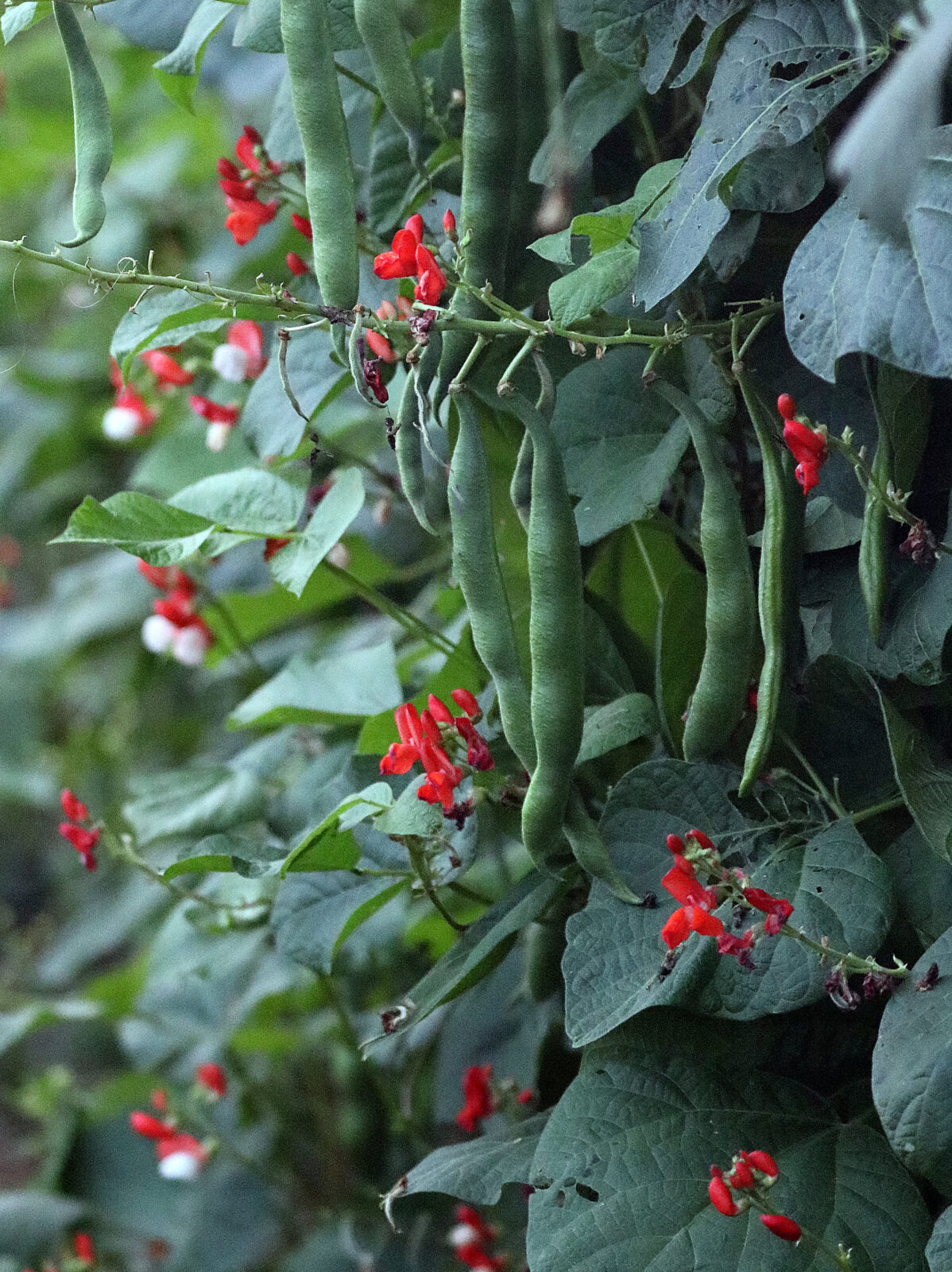
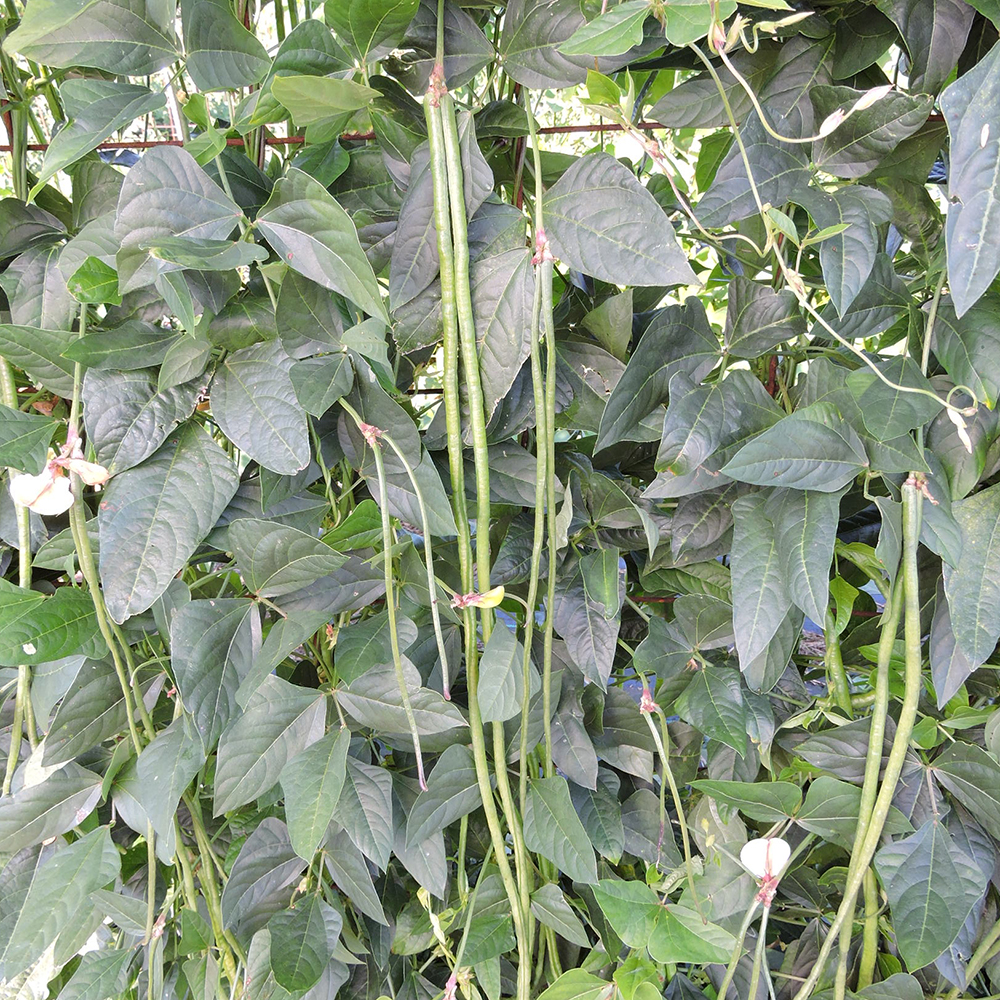
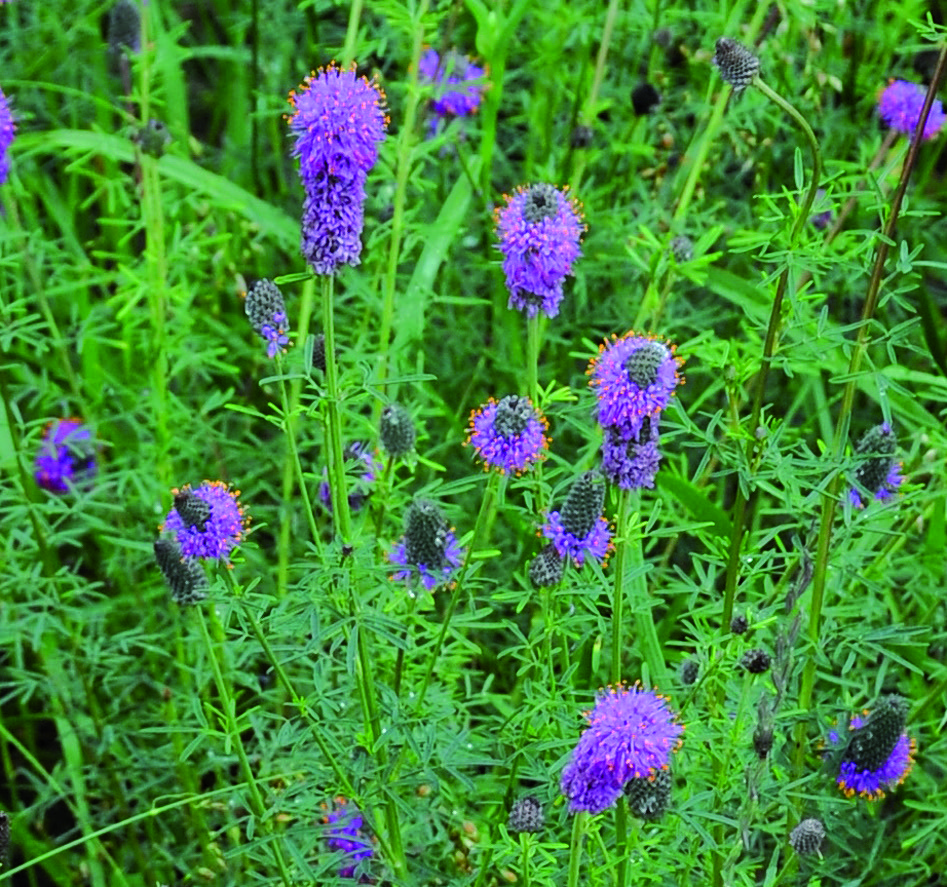
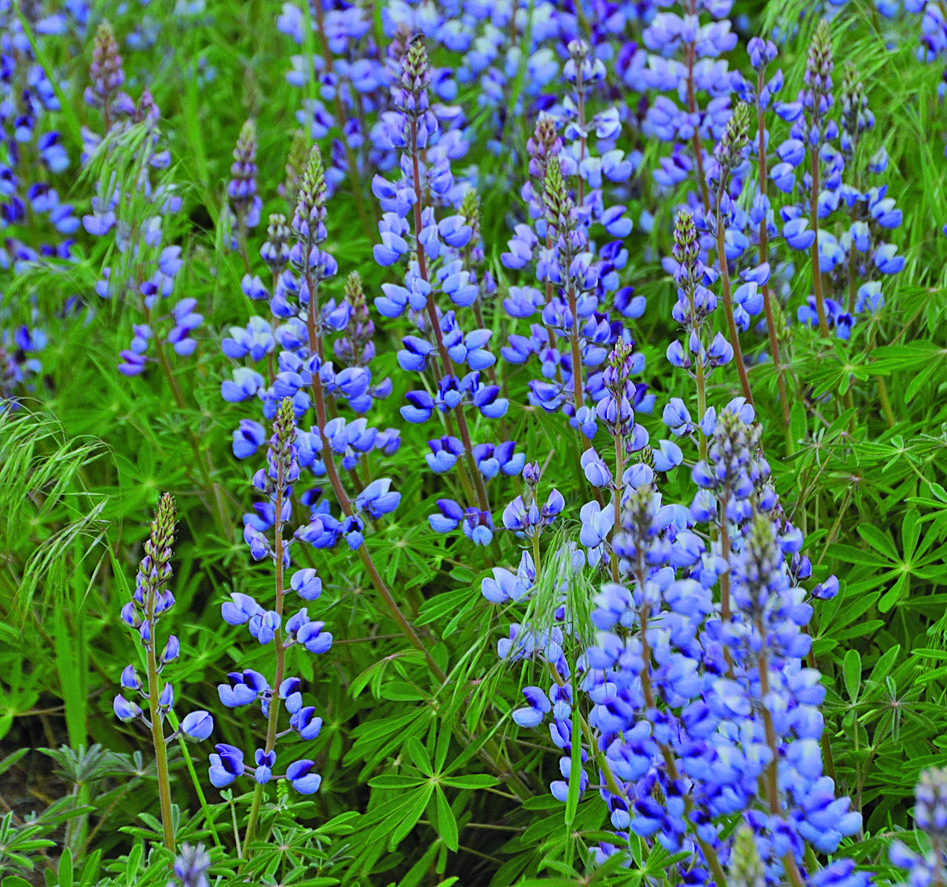
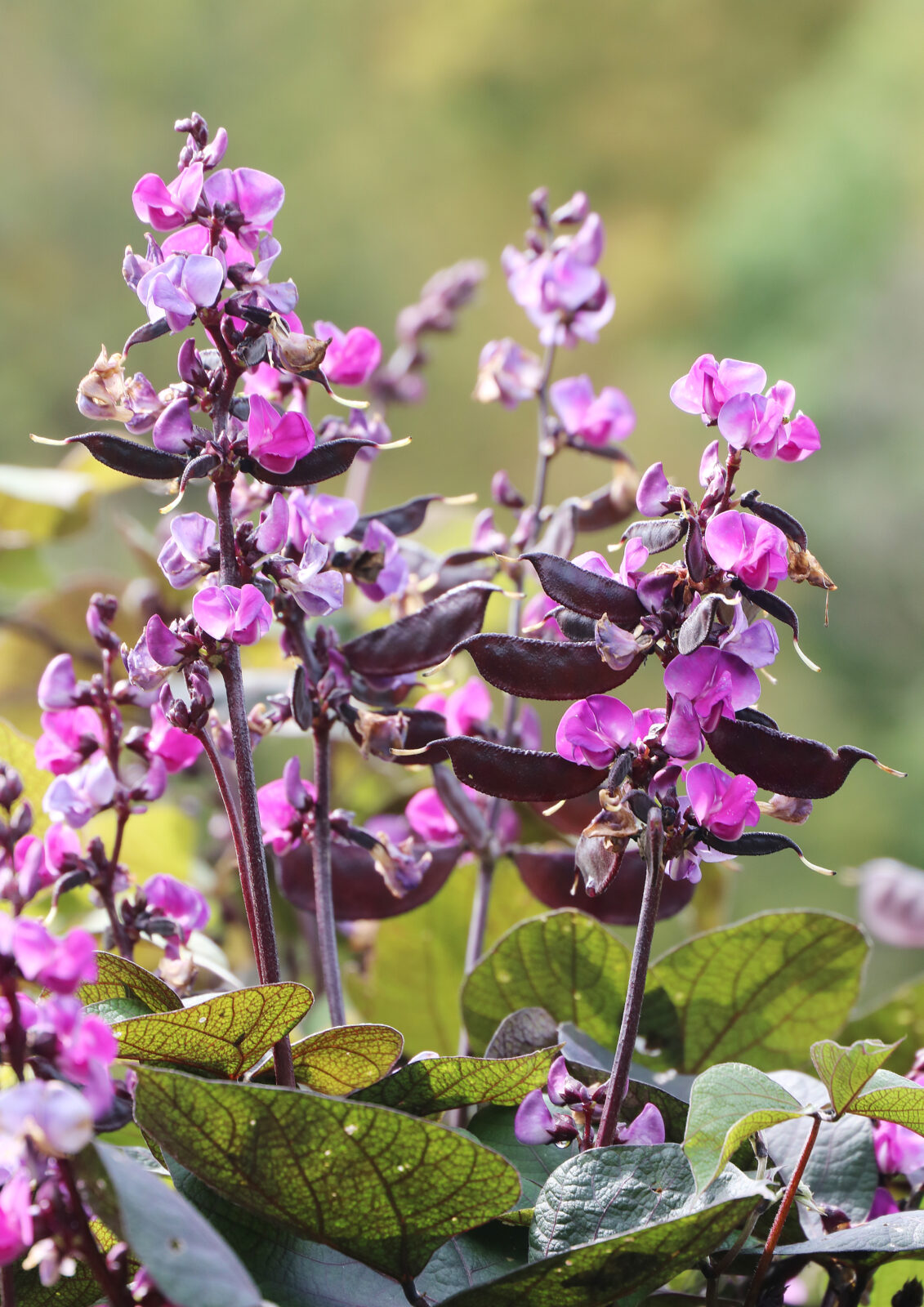
Legumes are powerhouses when it comes to improving soil. This crop family, including food crops like beans and peas, fix nitrogen from the air into the soil, enriching the soil with nutrients. Nitrogen acts as a fertilizer, helping all plants grow healthy and strong.
Other ways to improve and maintain healthy soil include going organic, avoiding soil compaction, and minimizing tillage.
Organic gardening means steering clear of synthetic fertilizers and pesticides. Synthetics contaminate soil and waterways and are harmful to microorganisms, beneficial insects, and wildlife.
Synthetic chemicals can also affect your health. They can reduce the nutritional quality of the resulting produce, and harmful chemical residues on produce can make their way into your body.
Healthy soil is porous, which allows for water and air to properly circulate. Compacted soil reduces the space between soil particles, which can affect plant growth. This makes it difficult for plants’ roots to grow through the soil and receive the nutrients and water necessary for healthy plant growth. Soil compaction also leads to poor drainage and greater runoff and erosion.
There are several ways to prevent soil compaction:

Intensive tillage disrupts soil structure and breaks down the important organic particles that hold soil in place and provide nutrition to plants. Tilling breaks up the soil into smaller pieces, leading to increased soil erosion. Constant tilling at the same depth also causes a layer of compacted soil to form underneath the tilled soil, affecting water drainage and root growth.
There are several ways to reduce the need for intensive tillage in your garden:
Many people choose to till to help manage weeds. To reduce or eliminate tillage, try these alternative methods for managing weeds:

Growing from Seed
Growing a garden from seed takes a little planning and care, but seeds want to grow. With a little know-how, a few tools, and some prep work, you can help them do it.
Growing from Seed, a free 20-page guide covers everything from prepping your soil to selecting seeds and caring for new plants in your garden.
The University of Minnesota Extension, the USDA Natural Resources Conservation Service, and Sustainable Agriculture Research and Education all offer detailed resources on cultivating healthy soil.
Watch the short video featuring SSE field operations coordinator Brennan Allsworth and evaluation manager Kate Rowe as they explain the four basic principles that help grow and maintain healthy soils.
Keep Learning