Growing and harvesting flower seeds is a deeply rewarding way to bring beauty, color, and abundance into your daily life. From sowing seeds in late winter to harvesting blooms in summer and saving seeds in fall, this cycle is about more than just growing—it’s about tending to a space with intention, cultivating beauty, and creating an abundant garden that brings joy year after year.
Growing, Harvesting, and Stewarding Flowers in the Home Garden
Growing Flower Seeds
From soil prep, pinching, and plant support, these key techniques will set you up for success in growing a vibrant, productive flower garden. Starting from seed gives you access to a diverse range of beautiful, open-pollinated varieties—and it’s more approachable than it may seem.
Saving Flower Seeds
Saving your own flower seeds is one of the most rewarding parts of growing a cut flower garden. It allows you to preserve varieties you love, adapt plants to your specific garden conditions over time, and build a more resilient, self-reliant space.
Don’t worry about doing it perfectly—just start sowing!
Growing healthy flowers starts with great soil. Most flowers prefer well-draining soil, fortified with compost and other organic fertilizers. Work a generous layer (about 2-3 inches) of finished compost into the top 6-8 inches of soil. Add other organic fertilizers or soil amendments as needed.
For growing flowers, select a spot in your garden that receives full sun (at least 6-8 hours daily).
Direct Sowing Flower Seeds
Time of Planting
Use your last frost date to plan your sowing schedule. Many flowers need to be sown after the danger of frost has passed, however some flowers—such as poppies—do well when sown in the winter, and some flowers—such as most native prairie flowers—do well when sown in the fall and allowed to overwinter in the soil.
Use your last frost date to determine when to start flower seeds – Click to enlarge
Check your seed packet and local Extension office for more detailed information.
Planting Depth and Spacing
Sowing seeds at the correct depth is vital. Most seed packets will indicate the ideal depth, but as a general rule, plant seeds at a depth of twice the diameter of the seed. Sow tiny flower seeds—such as snapdragons—on the soil surface.
Overseed slightly to account for uneven germination, then thin seedlings later to ensure proper spacing. Learn more about how and when to thin seedlings.
Tip: Cut flowers are flowers grown for the purposes of bouquets and other arrangements. Crowding cut flowers, or planting closer than the recommended distance apart, can lead to longer stems by forcing plant growth upwards, which can be beneficial for arrangements.
Watering
Water gently and keep the soil consistently moist until seeds sprout.
Plant Labeling
Don’t forget plant labels! Always label your rows clearly with variety names and sowing dates—it’s easy to lose track once plants start growing!
Starting Flower Seeds Indoors
Starting flower seeds indoors can lead to earlier blooms and extend the blooming season, especially in short-season climates.
Getting Started
A successful start begins with the right setup. Choose a method that fits your space and style. Key factors to consider include:
Soil Mix
Containers
Light
Warmth
Humidity
Soil Mix
Always use a high-quality, pre-moistened seed-starting mix to support healthy germination.
You don’t necessarily need to splurge on a great seed-starting mix. To create a high-quality growing medium, amend your potting mix with finished compost. When amending a potting mix:
Use at least 20% compost, 35% is ideal
Use finished, not raw compost
Make sure your compost doesn’t include any herbicide residues, which can kill seedlings.
If you’re a small-scale gardener growing a wide range of flower varieties in smaller quantities, nine-cell packs are a fantastic option. They offer flexibility, save space, and are just the right size for most cut flower annuals—perfect for trialing and managing multiple, lower-quantity crops at once.
Some gardeners choose to use soil blocks to start seeds. Soil blocks are a low-waste, space-saving method that promotes strong root development and reduces transplant shock.
Soil blocks save space and reduce transplant shock
Use a soil block-specific mix made from sifted compost, coco coir or peat, greensand, and rock phosphate.
Check out this soil blocking recipe from The Gardener’s Workshop:
For 20 cups (makes approximately 500 mini ¾” blocks or 36 of the 2” blocks)
16 cups sifted peat moss or coco fiber
4 cups sifted compost
¼ cup greensand
¼ cup rock phosphate powder
Mix dry ingredients. Mix 3 parts dry mixture to 1 part water.
Set-up
This home setup uses a large wire shelf, greenhouse trays, and grow lights.
A tiered-wire shelf setup with hanging shop lights is an efficient, compact solution that can support the growth of hundreds—even thousands—of healthy seedlings in a small space.
Sowing Seeds Indoors
Time of Sowing
Start slow-growing flowers, like snapdragons, 8-10 weeks before your last frost, and fast growers like zinnias and cosmos 4-5 weeks before transplanting outdoors.
Depth of planting
Always follow seeding depth guidelines—some seeds, like snapdragons, need light to germinate and should be pressed onto the surface, while others, like zinnias, should be sown about ¼-inch deep. As a general rule, plant seeds at a depth of twice the diameter of the seed.
Don’t forget to label all crops clearly!
Water
Make sure your seed starting mix is damp when sowing the seeds. Lightly water the seeds by using a mister on the soil surface or watering the containers from the bottom. A strong stream of water can dislodge seeds or wash away the soil.
Use a either a mister to water seed starts or water the containers from the bottom to avoid displacing the seeds or soil.
A light layer of vermiculite can help retain moisture and prevent a crust from forming on the soil surface. This can also help to prevent tiny seedlings from damping off, a fungal disease that causes seedlings to wilt at the soil line.
A layer of vermiculite on the soil surface can help retain moisture and prevent dampening off.
Humidity
Seeds need consistent moisture in order to germinate and thrive. To create the ideal environment for germination, consider covering watered seeds with plastic humidity domes. Some gardeners achieve this environment by tucking containers in zippered plastic bags.
If using a humidity dome or plastic bag, remove the covering as soon as seeds have germinated—when you see green poking up from the soil—to allow for good airflow and help prevent disease.
Be sure to remove humidity domes once seedlings emerge from the soil to allow for good airflow.
Heat
Look at the back of the seed packet to see what temperature your seeds need. As a general guideline, the optimal temperature for germination is often 5-10 degrees warmer than the optimal temperature for growth. Many flowers benefit from additional bottom heat for successful germination. Consider using a heat mat to keep seeds warm until they sprout.
Light
When about half your seeds have sprouted, remove the humidity dome and heat mat and place the trays under bright grow lights. Seedlings need 12–16 hours of consistent light each day to develop strong, healthy stems.
Natural sunlight from a window usually isn’t enough. Hang grow lights just a few inches above the seedlings. The light needs to be close enough to the container so that the seedlings don’t get spindly.
If growing seeds indoors, use a supplemental lighting source to support healthy seedlings.
Make sure your grow lighting setup is adjustable to accommodate the height of growing plants. Raise the lights a few inches as the plants continue to grow.
Make sure the seedlings don’t get too much heat from the grow lights. Keep the grow lights a few inches above the seedlings. LED grow lights are ideal for indoor growing since they produce minimal heat.
Overwatering can be more detrimental to the health of seedlings than underwatering. Check seedlings at least once daily to assess their moisture needs. Water seedlings once the top inch of the soil is dry. Bottom-watering seedlings can help prevent overwatering.
Fertilizing
Once seedlings have developed their first set of true leaves, begin feeding them with a gentle liquid organic fertilizer like fish or seaweed emulsion.
Bells of Ireland seedlings with one set of cotyledons and one set of true leaves
Thinning
If multiple seedlings are growing within one cell, thin once the seedlings have developed at least one set of true leaves to give the strongest, healthiest seedlings proper room to grow. Thin the seedlings so that there is only one plant per cell.
These young snapdragon flower seedlings have at least one pair of true leaves and are ready to be thinned to one plant per cell.
About seven days before transplanting them into the garden, begin hardening off your seedlings by gradually introducing them to outdoor conditions. Start by placing them in a sheltered, shady spot protected from wind and harsh sun. This transition helps reduce transplant shock.
These flower plants have been hardened off and are ready to plant out in the garden.
Transplanting Outdoors
For cut flowers, space plants tighter than recommended by the seed packet to encourage tall, straight stems. Use mulch to help retain moisture and suppress weeds.
Avoid synthetic pesticides or fertilizers and consider brewing and applying compost tea regularly throughout the season to support vigorous plant health.
Compost tea recipe
For a simple compost tea recipe, combine two gallons of dechlorinated water with two to three cups of high-quality, well-aged compost in a clean container. Stir thoroughly to mix. Let the mixture steep for 24 to 48 hours, stirring several times during the steeping period to maintain oxygen levels. After steeping, strain the liquid through a fine mesh cloth. Use the finished compost tea to water your plants at the base or apply it directly as a foliar spray.
Pinching
Pinching is the act of snipping off the growing tip of a young plant to encourage the plant to produce more stems—and more blooms—throughout the season. While not all flowers respond well to pinching, many popular cut garden favorites—like marigolds, snapdragons, and zinnias—greatly benefit from this early-season attention.
In general, once the plant is about six to eight inches tall and has several sets of leaves, remove the top one to two inches of the main stem, just above a leaf node (where leaves emerge from the stem).
Support
Additional support may be required for some blooms to keep stems straight and strong in the garden. Corralling plants using t-posts and twine works well for amaranth and zinnias. Horizontal netting, like Hortonova, is great for snapdragons and bells of Ireland.
Horizontal netting can help encourage straight stems in flowers such as snapdragons and bells of Ireland.
Deadheading
Deadhead spent flowers to encourage more blooms. To do this, cut a spent bloom just above a leaf node. Often, you will already see new blooms starting to emerge from leaf nodes below the spent flower. This redirects the plant’s energy away from producing seeds and towards new growth.
Deadhead spent blooms just above a leaf node – Click to enlarge
Harvesting Fresh Cut Flowers
To keep your plants healthy and your flowers fresh for as long as possible, it’s essential to consider some key best practices when harvesting and enjoying:
Use Clean Tools
Use sharp, clean pruners when cutting flowers to avoid damaging the plant and spreading disease. Harvest into clean buckets. Be sure they’ve been washed with hot, soapy water. If you wouldn’t drink out of it, don’t harvest into it.
AVAILABLE SOON: Gardening pocket tool
Keep It Cool
Harvest your flowers in the cooler parts of the day—in the early morning or in the evening—when the plants are most hydrated. Harvesting in the heat of the day is stressful on stems and makes it difficult for them to drink up water.
Cut Deep
When harvesting, cut deep into the plant to encourage branching, longer stems, and more blooms. Similar to deadheading, make the cut just above a leaf node. Consider the overall plant shape and do not cut more than one-third of the plant.
Remove Foliage
Remove stem foliage to encourage rapid hydration. Foliage that remains on the stem may be difficult or undesirable to hydrate. Leaves left below the water line will quickly rot, encourage bacterial growth, and clog stems.
Maintain Hydration
Place stems immediately into a container of cool water and let them rest for at least several hours before working with them.
Maximize Vase Life
Homegrown flowers make for wonderful arrangements all season long.
Always cut stems at a 45-degree angle to increase the surface area for water uptake. Placing stems in a vase with flower food encourages bud development and color retention while helping prevent clogged stems.
Every couple of days, replace the water in the vase and give the stems a fresh one- to two-inch cut.
Flower Food
Flower food is not essential, but it can increase the life of your cut flowers by several days.
To make flower food, simply combine four cups of warm water with two tablespoons of sugar (to nourish the flowers) and one tablespoon of white distilled vinegar (to help balance the water’s pH); stir the mixture until the sugar fully dissolves.
Drying Flowers
Drying your own homegrown cut flowers is a simple, satisfying way to preserve them long after the growing season ends—and so many annuals dry beautifully!
Tie flower bundles with rubber bands and hang them upside down in a dry, dark, and well-ventilated area for two to three weeks, or until flowers feel firm and fully dry. Always keep flowers out of direct sunlight to help preserve their colors. Enjoy your dried blooms in arrangements, wreaths, or crafts.
Isolation distance is the space needed between different varieties of the same species to prevent unwanted cross-pollination.
Bees, wind, and other pollinators can easily move pollen between flowers, so if your goal is to save seed from a specific variety (say, a particular color of zinnia or a double-flowered cosmos), you’ll need to separate it from varieties of the same species by a certain distance—sometimes several hundred feet or more, depending on the crop.
Alternatively, you can save seed from one variety per species each season or experiment with physical isolation using row covers, bloom bags, and lettuce bags. All of that to say, don’t overthink it—just start saving your flower seeds!
As you harvest fresh flowers, leave a few of the healthiest, most vigorous blooms untouched—these will be your seed producers. Selecting only the strongest, best-performing plants for seed helps ensure next year’s crop retains desirable traits. Allow the flower heads to fully mature into viable seed heads.
Seed Harvesting and Processing
Harvesting
Harvest seeds into buckets, bowls, or breathable containers.
Harvest seeds into buckets, bowls, or breathable containers like cotton, mesh, or paper bags once seed heads or pods are fully dry on the plant. Blossom bags are also a great option if you are not harvesting much seed. Aim to collect on a dry, sunny day to reduce the risk of mold or spoilage.
Tip: Look for seed heads or pods with a completely dry stem. These will have the driest, most mature seeds.
Look for seed heads with a completely dry stem to find the most mature seeds.
Threshing
Threshing is the process of dislodging dry seeds from the rest of the plant material, also known as the chaff, by using force and friction.
Gently shake, rub, or flail the seed heads to release the seeds.
Screening and Winnowing
Use tools—like screens, strainers, or fans—or your breath to separate the chaff from the seeds.
Screening is a process that helps to further separate dry seeds from the chaff by using screens of different sizes. Use a screen with holes just large enough for the flower’s seeds to fall through. Use your hands to create friction and gently rub the chaff to avoid damaging the screen. If using the correct screen size, the seeds should fall through, leaving most of the chaff behind.
Screening can be an efficient way to separate flower seeds from the plant chaff.
This stainless steel tool is not only indispensable for cleaning seeds when seed saving, but also perfect for screening compost (thereby increasing water absorption). The sieve frame measures 11.75″ in diameter and has three interchangeable screens of four, five, and 10 mesh per inch. Shop here!
Winnowing is a final step in separating dry seeds from the rest of the plant material by placing or dropping seeds in front of an airstream. The airstream blows away the lighter plant material and immature seeds, while the heavier mature seeds remain.
A simple winnowing setup using two large buckets and a box fan.
Flower seeds are often very hard to clean, but you don’t have to be perfect! As a home gardener, doing the best you can is enough.
Instructional Videos
Watch these videos to learn more about flower seed winnowing techniques.
Reverse Winnowing Small Seeds
Processing flower seeds can pose some challenges, especially if the seeds are very lightweight and can’t be winnowed with the standard box fan method. When trying to clean tiny flower seeds, such as petunias and amaranth, try “reverse” winnowing by turning the fan around. Watch this video to learn more.
Drying Flower Seeds
Dry seeds in a thin layer on a screen, ceramic plate, baking sheet, etc. out of direct sunlight for at least three weeks. Run your fingers through them once or twice a day to allow good airflow. Adding a fan on low speed to constantly blow on the seed will speed up the drying process.
This screen provides good airflow for drying petunia seed pods, and allows the tiny petunia seeds to fall though to a tray below.
Seed Storage
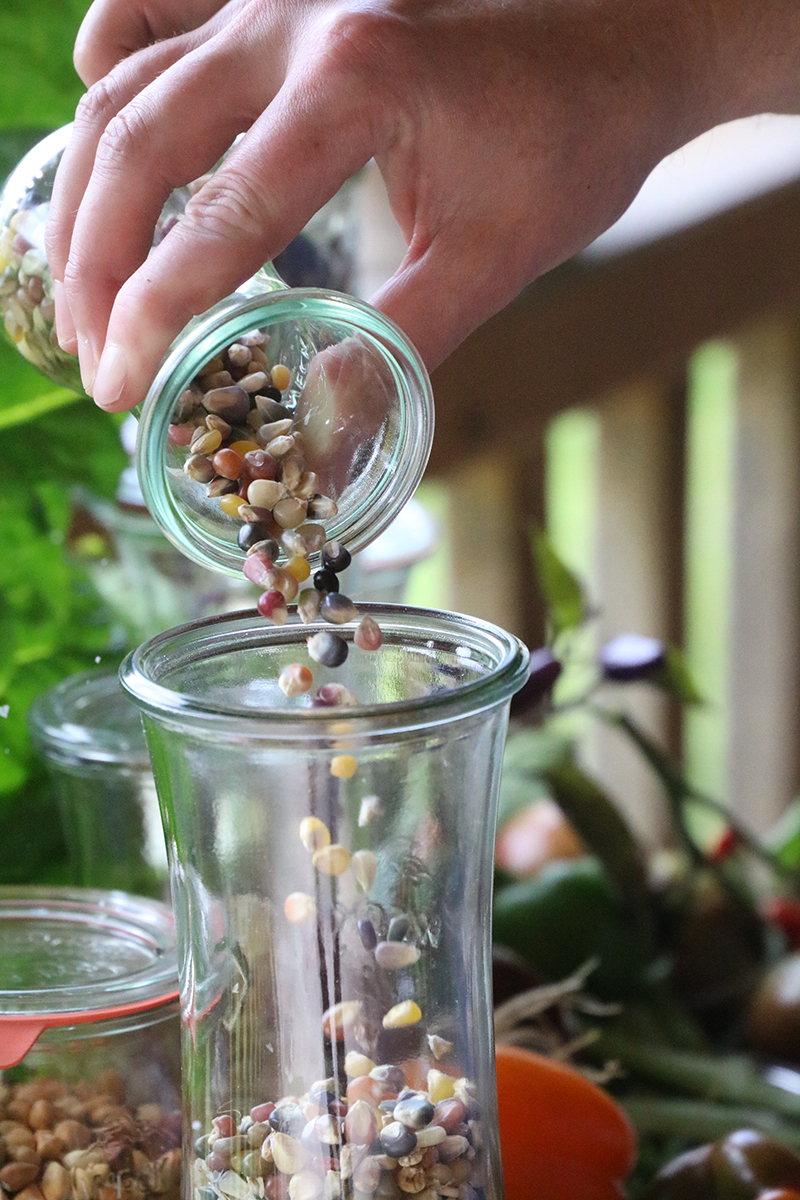
Once fully dried, store seeds in a cool, dry, and dark place—airtight containers like glass jars or sealed envelopes work well. Make sure to label your seeds clearly with the variety name and harvest date. Proper drying and storage will help maintain viability for future planting.
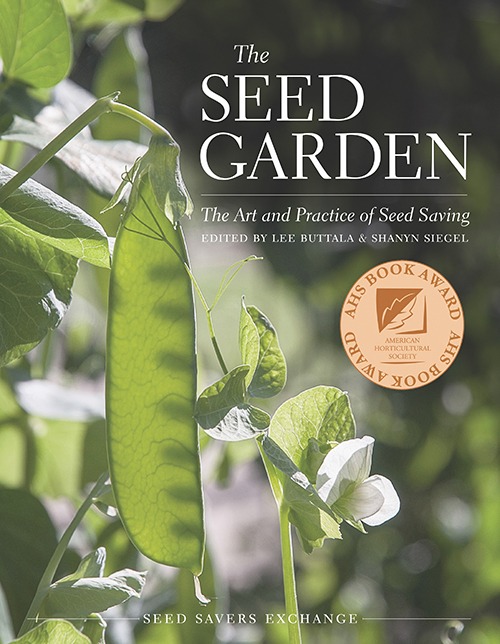
For more information on seed processing and storage, check out The Seed Garden.
Sharing Seeds
Wonderful work—you’ve saved seeds from your cut garden favorites! Consider sharing your flower seeds—and the joy they bring—with friends, neighbors, and fellow growers through the Exchange, Seed Saver Exchange’s gardener-to-gardener seed swap.
Flower Profiles
Common Flower Profiles
These profiles offer insights into the reseeding potential and harvest timing of 16 different common flower types, as well as seed-saving tips to help you confidently grow and preserve their beauty for years to come.
Get native prairie flower and grass mixes for three different climates: Wet, Mesic, or Dry. Formulated for SSE by our neighbors at Shooting Star Native Seeds. Confirm the varieties in each mix are safe for your state/region by visiting the USDA National Invasive Species Information Center
Bring beauty to your garden with this curated selection of classic flowers. And when an occasion calls for a bouquet, skip the grocery store and cut an arrangement from your own backyard blooms. This collection contains one packet of each variety:
Black Knight Pincushion Flower
Blue Boy Bachelor's Buttons
Globe Amaranth
Sensation Cosmos Mix
SSE Zinnia Mix
Tetra Mix Snapdragon Flower
Pollinators are essential to a healthy world, and your garden can play a crucial role helping these little heroes thrive. Start by planting these pollinator-friendly varieties! This collection contains one packet of each variety:
Bee Feed Mix
Butterflyweed
Evening Sun Sunflower
New England Aster
Purple Coneflower
Purple Prairie Clover
The result of years of research in Applewood Seed Company’s test gardens, this mix offers a blend of adaptable annual and perennial flowers that provide nectar and pollen to honey bees all season long. It excels in garden beds, borders, and other maintained areas.
This annual and perennial mixture of flowers will provide nectar to many species of butterflies, including brushfoots, monarchs, skippers, sulphurs and swallowtails. Some of these plants will also provide food for butterfly larvae.
This very colorful early-, mid-, and late-blooming flower mix benefits pollinators all season long. An extraordinary blend of annual and perennial flowers yields nectar and pollen for wild bees, honey bees, and other pollinators, and is suitable for short-tongued and long-tongued bees. Sow in maintained landscapes such as garden beds, borders, and managed meadows.
The Seed Garden: The Art and Practice of Seed Saving
Seed Savers Exchange and the Organic Seed Alliance bring together decades of knowledge to demystify the time honored tradition of saving seeds using lush photographs, clear instructions, and easy-to-comprehend profiles on specific crop types.
Seed to Seed by Suzanne Ashworth, former special advisor to SSE, is a complete growing and seed-saving guide that describes specific techniques for growing and saving the seeds of 160 different vegetables. This book provides detailed information about each vegetable, including its botanical classification, flower structure, means of pollination, required population size, isolation distance, techniques for caging or hand-pollination, and proper methods for harvesting, drying, cleaning, and storing the seeds.
Learn how to style splendid cut-flower arrangements the whole year round, whether using fresh flowers from your own backyard or beautiful blooms from the market. This best seller contains proven tips and helpful advice (and photographs!) on every phase of working with flowers - including growing them, selecting them, and arranging them in stunning fashion.
The Exchange, a gardener-to-gardener seed swap facilitated by Seed Savers Exchange, is a great place to find unique, open-pollinated, and regionally adapted varieties.
Featuring everything you need to start your seed collection! Each kit includes lettuce bags, blossom bags, glassine envelopes for smaller seeds, and a copy of The Seed Garden.
When you make a purchase from Seed Savers Exchange, you help fulfill our nonprofit mission to protect our food and garden heritage. Do even more good by making a donation to help us preserve and share even more heirloom varieties!