Regional Growing Guides
Learn the tips and tricks for growing and saving seeds in your climate.
Learn the tips and tricks for growing and saving seeds in your climate.
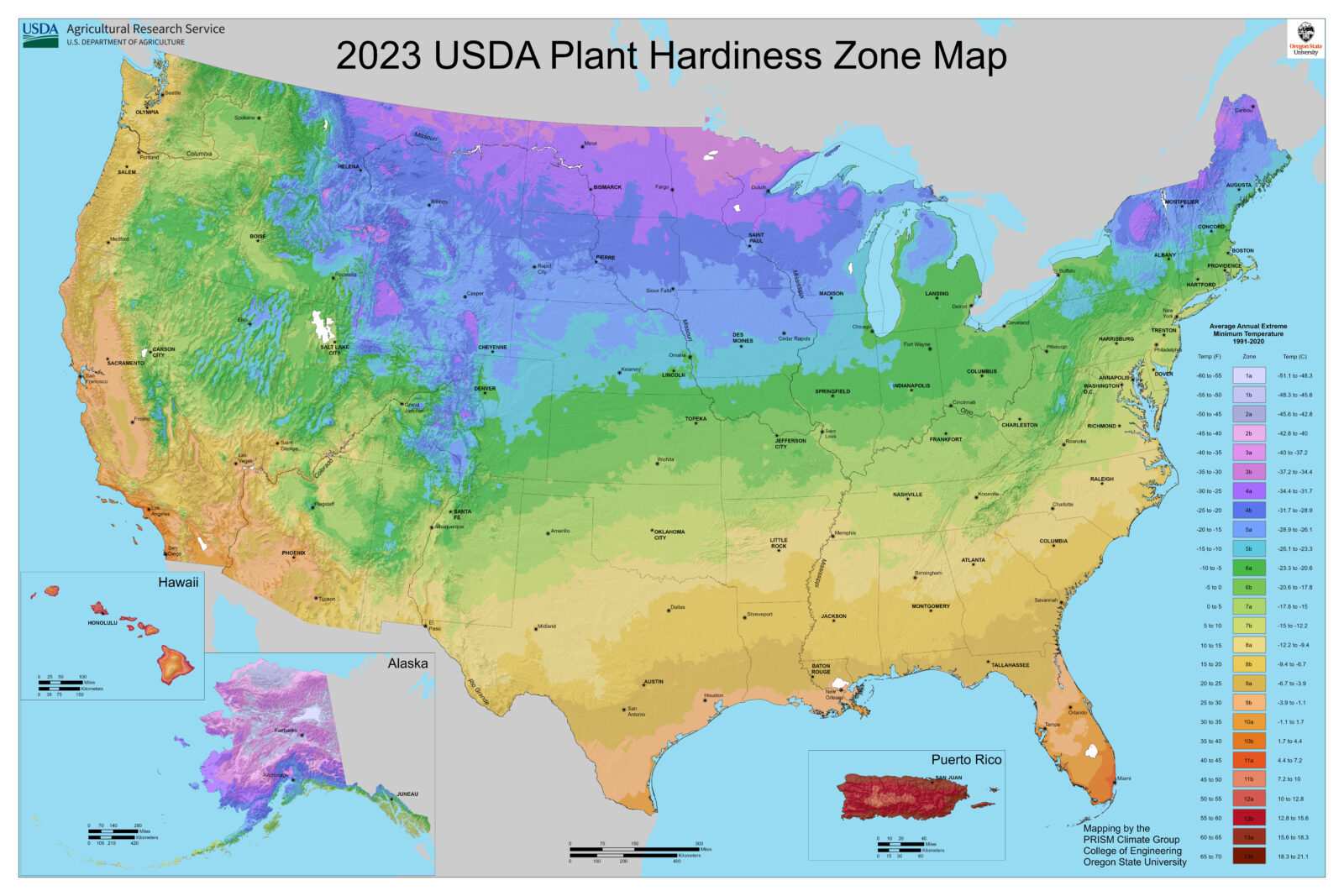
The United States is home to a multitude of climates across many regions. From the low deserts of the Southwest to cold, short seasons of the North, each region presents its own unique climatic challenges and opportunities. Understanding the climate in your region is key to successful gardening and seed saving. We wrote these regional growing guides to help set you and your garden up for success.
In these growing guides you will learn:

What crops can you grow in your region? The simple answer is…anything! Most garden crops can be grown anywhere in the United States with the right approach and timing. The best way to ascertain whether or not a crop can grow in your location is simply to try to grow it.
Although each regional growing guide provides guidance for handling the challenges of growing in that climate, each region includes a diversity of microclimates that might have different conditions. Because microclimates within these regions may differ from the region as a whole, gardeners may find they can successfully raise seed crops that are normally difficult to grow in their region.
These growing guides should be taken as suggestions, not rules. Gardeners should feel free to experiment with planting all kinds of different crops, not just the ones that typically do well in their region.
Understanding your climate is essential for seed saving. Almost every garden crop can be grown everywhere in the United States, however climate extremes can impact whether or not a crop can be successfully grown for seed in each region. Weather (including humidity), planting dates, and the length of a region’s growing season need to be considered when determining which crops can be grown for seed.
Regionally adapted seeds are varieties that have a history of being grown in your area and climate. Seeds that are adapted to a specific region are more resilient and more likely to thrive than other varieties.

The best way to find regionally adapted seeds is to save them yourself! Saving seeds over multiple plant generations gradually adapts them to your climate. To do this, choose your very best plants of each variety and save their seeds rather than eat them. You might select for traits such as earliness, cold tolerance, drought tolerance, color, productivity, etc. The traits you select will become stronger in each subsequent generation of the variety.

You can also find regionally adapted seeds on the Exchange. The Exchange is an open online seed swap between gardeners from all over the country, facilitated by Seed Savers Exchange. Around 15,000 unique varieties are listed on the Exchange, including thousands from our collection at Heritage Farm. All seeds listed on the Exchange are open-pollinated, non-hybrid, and un-patented.
The Exchange is open to all! Anyone can request seeds from listers from the Exchange for just the cost of postage. On the Exchange website, you can filter listings by the state where they were grown, giving you access to many varieties that have already been grown in your climate.
You can browse the Exchange online here. You may also purchase a print copy of the Exchange, the Yearbook, here.
In this video, Josie Flatgard, Exchange and membership coordinator, explains how to make a request for seeds, tubers, and other plant materials from the Exchange.
Growing Guides by Region
We are working on writing these guides and will add them to this page as they become available!