Keep Learning
Thinning Seedlings
Thin to Win!
What?! I have to toss some of these perfectly healthy seedlings I worked so hard to start? Which do I save and which do I not? That is the reaction of many a new gardener upon first learning that thinning seedlings is a necessary step to ensure healthy growth of plant starts.
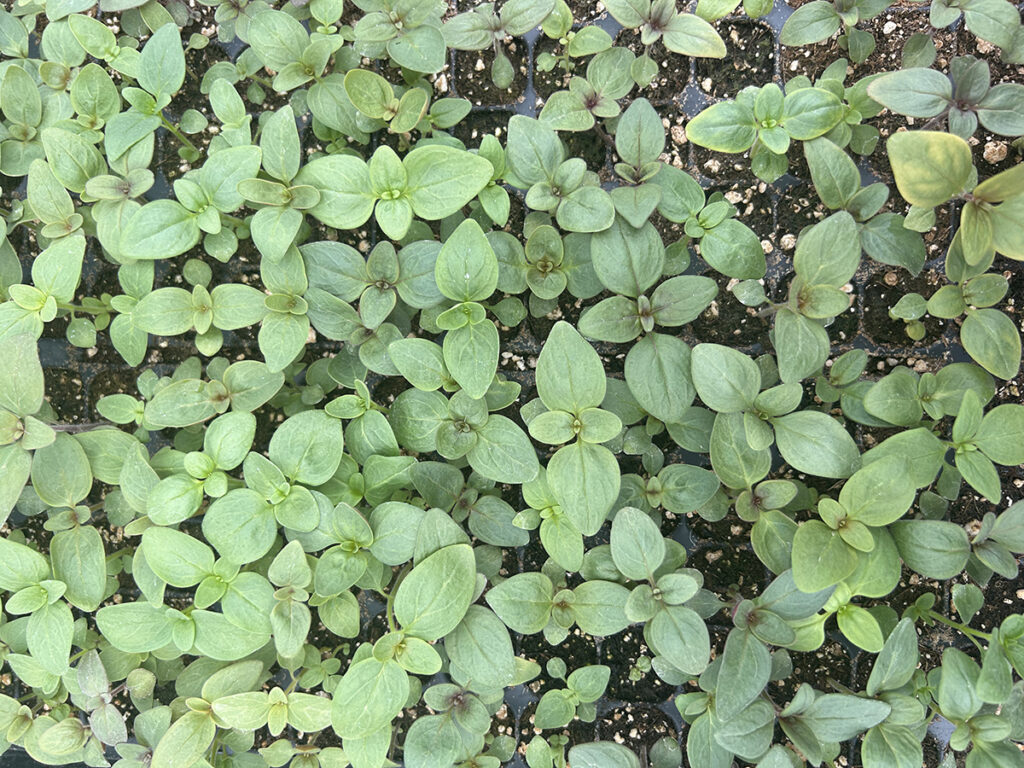
The reality is that, if left in crowded environs, your seedlings will eventually suffer.
What is thinning?
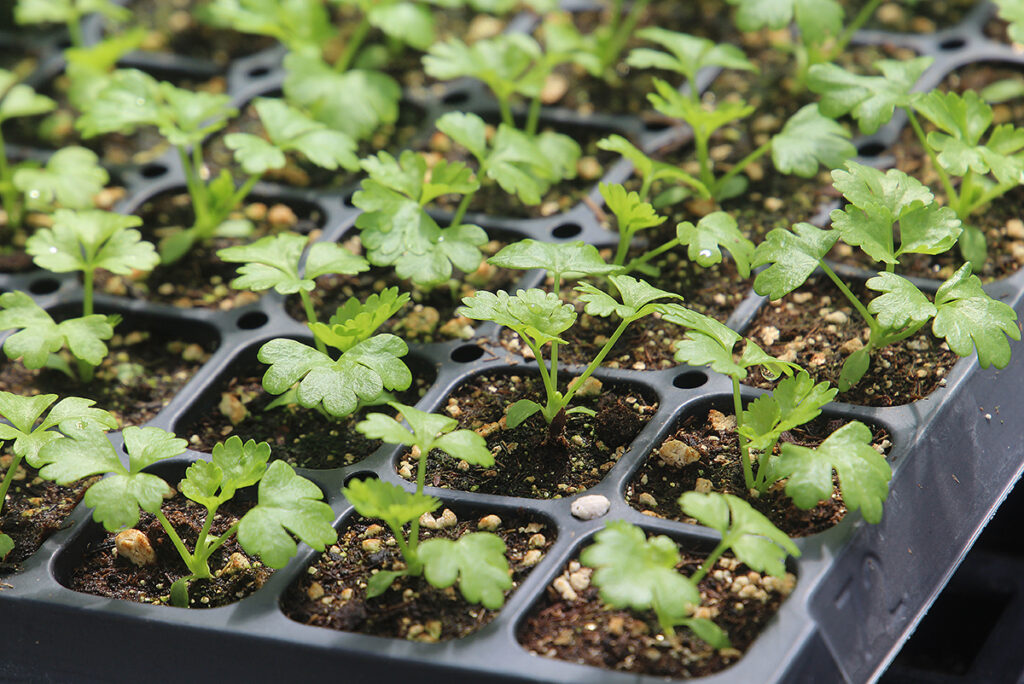
Thinning seedlings involves removing some of the seedlings sown too close to one another so that the strongest ones can thrive. This practice ensures the proper spacing of plants, either in cells inside or in the ground outside.
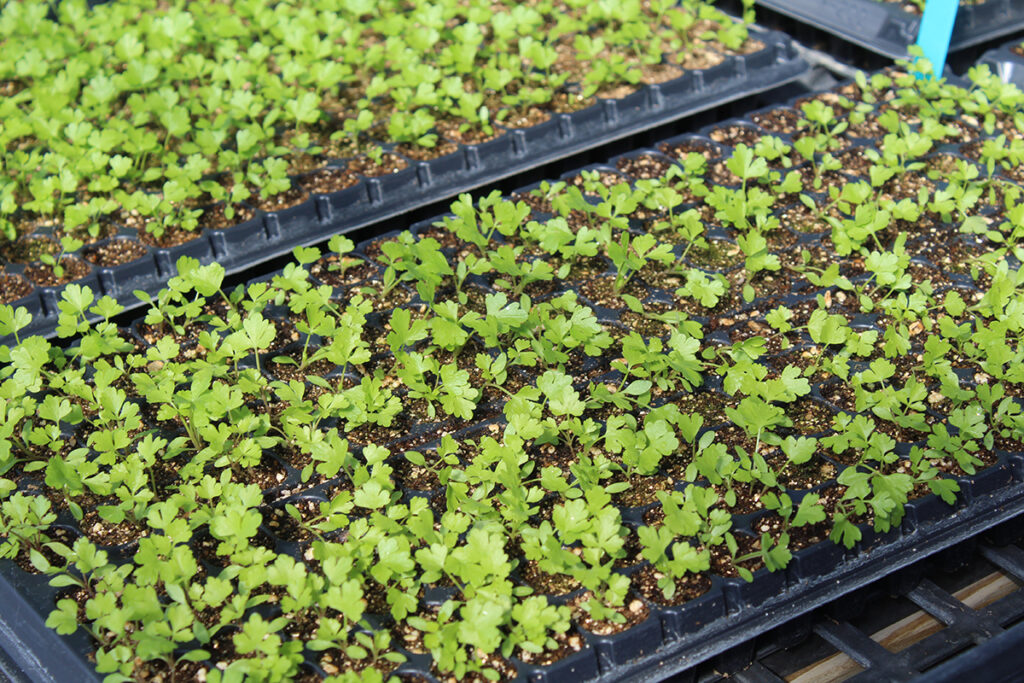
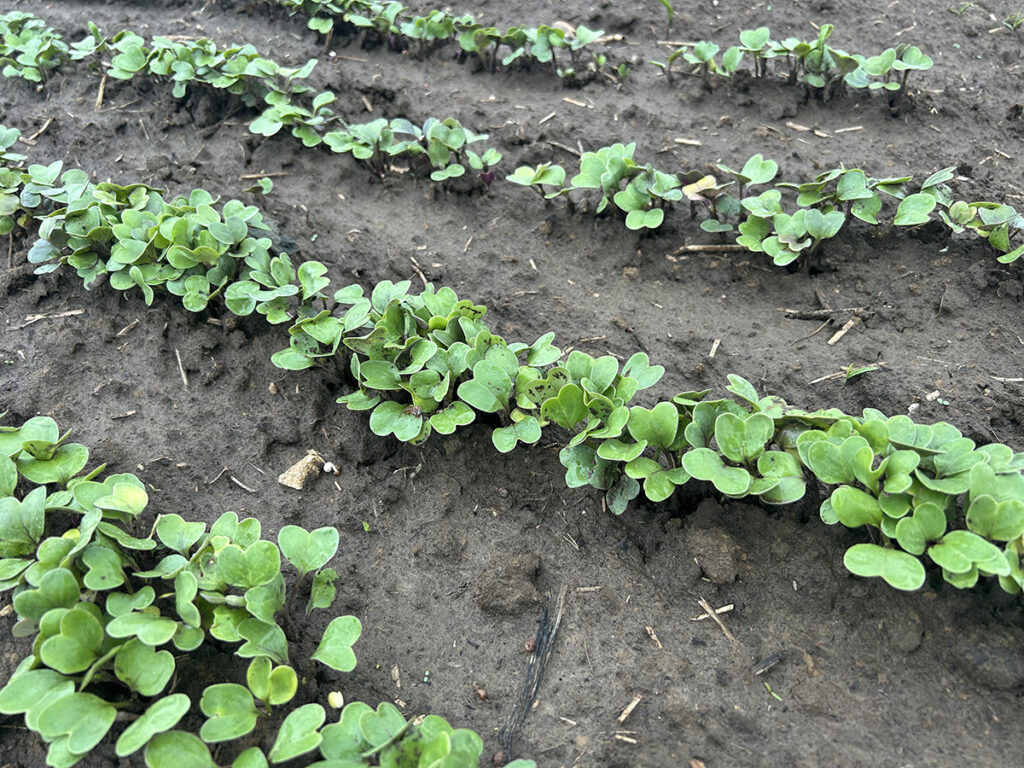
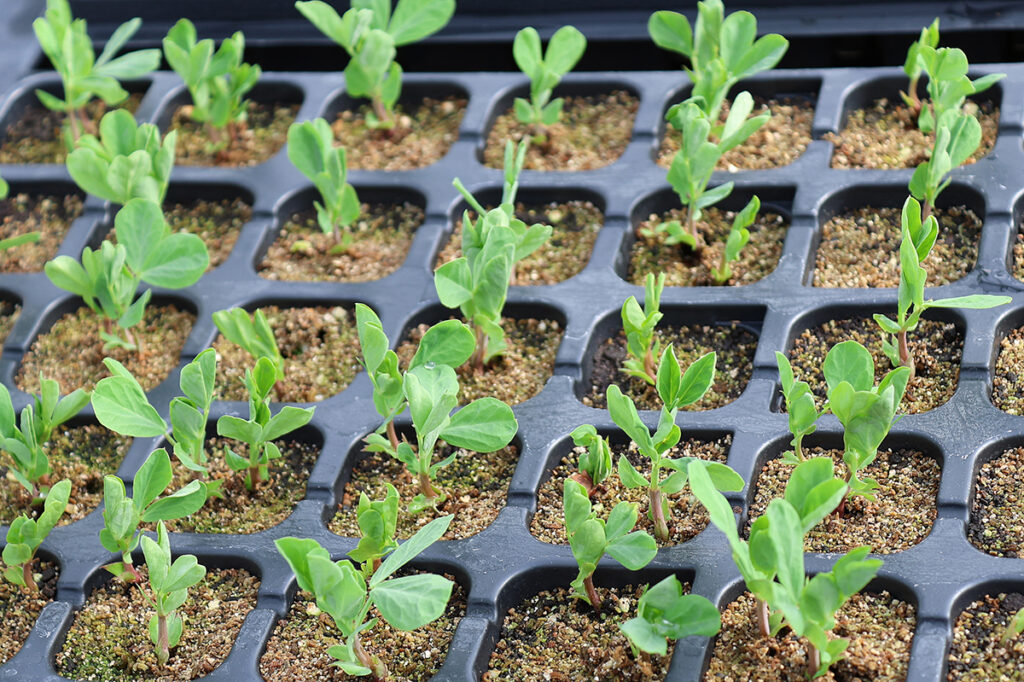
If your seedlings are indoors, thin them out until there is only one left in each cell or pot. If your seedlings are direct sown outdoors, thin them according to the spacing requirements on the seed packet.
Why should I thin my seedlings?
Thinning crowded seedlings ensures that your plants have plenty of room to grow into strong, healthy, mature plants. If left un-thinned, crowded seedlings will compete for nutrients, water, air, and root space, and that will ultimately stunt their growth.
When should I thin my seedlings?
Thin seedlings when they have one to two sets of “true” leaves (in addition to the first set of leaves to emerge).
How do I thin my seedlings?
1. Decide which seedlings to cut and which to keep.
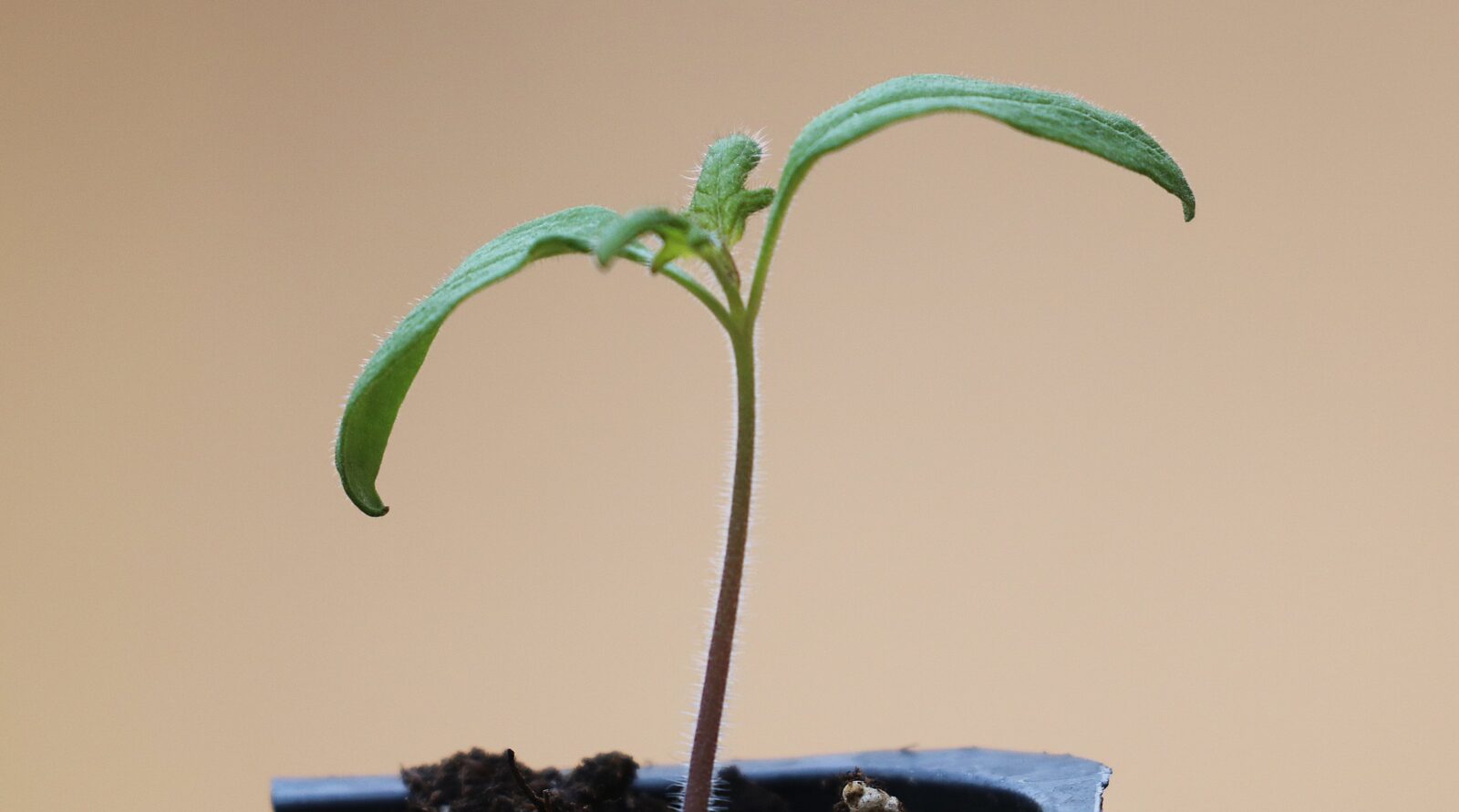
Best practice is to keep the strongest seedling. How can you tell the strong from the not-so-strong? Look for the one with the thickest stem. If they’re all the same size, pick the healthiest-looking one.
2. Preferred method: snip, don’t rip.
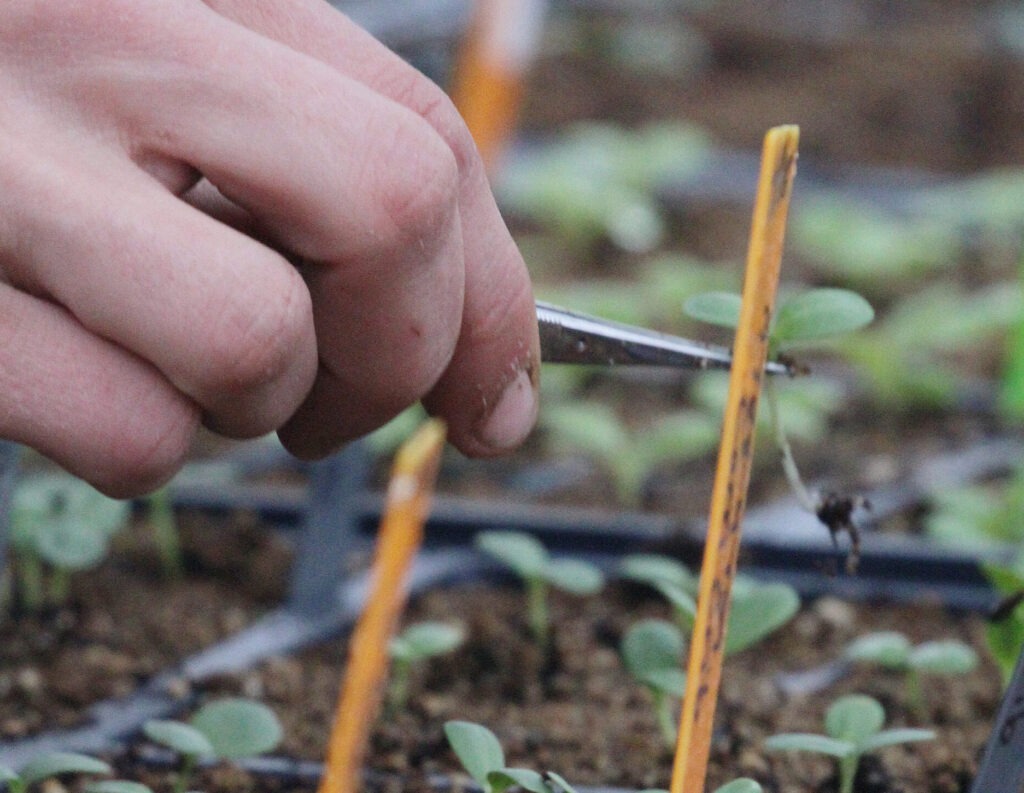
Once you have selected which seedling(s) to keep, cut the others at the soil level with scissors. Don’t pull the seedlings out; if the roots are connected to the one(s) you’re keeping, the ones you wish to keep could be pulled out as well.
3. Alternative method: transplanting
If you would like to try and keep all your seedlings, gently separate the two seedlings from each other. Then move one of them to an empty cell, being careful not to damage the roots. Because seedlings’ roots are delicate, this method has a certain amount of risk.
Remember, while perhaps difficult to accept initially, thinning is a necessary part of gardening to ensure that your garden will eventually be filled with healthy, happy, and flourishing plants.
Originally published in April, 2023, by Sara Friedl-Putnam. Updated May, 2026.