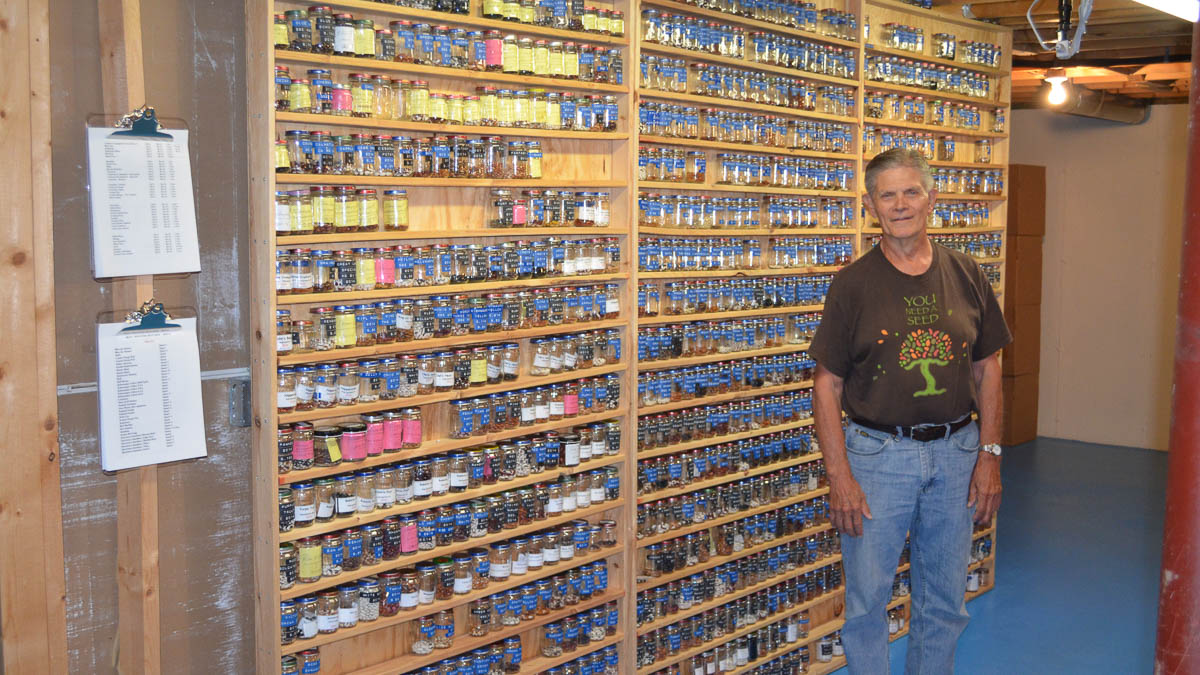
The new Seed Savers Exchange website highlights the impressive impact of nearly 50 years of participatory preservation efforts, and offers a closer look at current programming. SSE aims to engage people of all ages and backgrounds in gardening and seed saving and facilitate their ability to grow healthy, heirloom food.
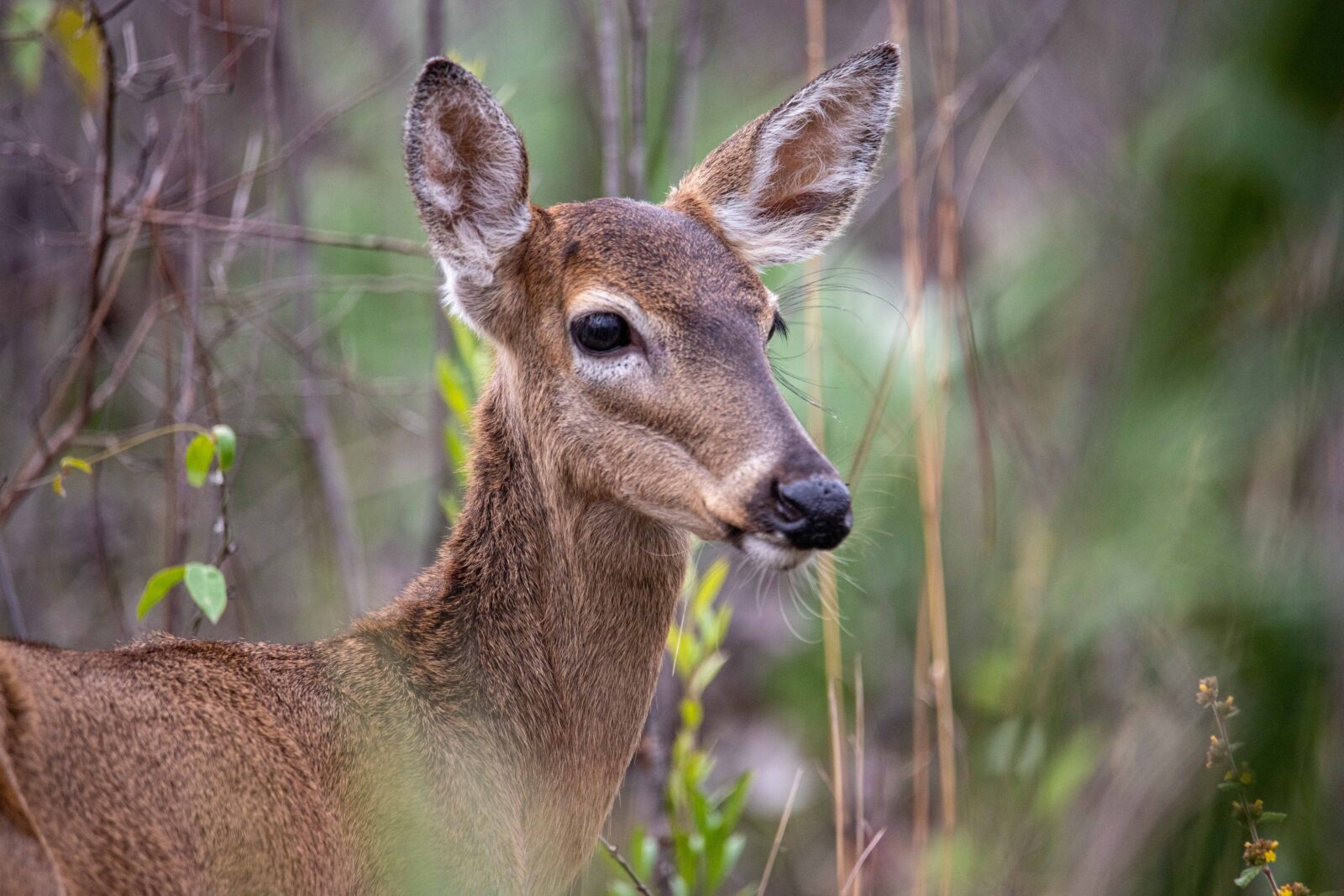
Anyone who has an orchard or garden knows how frustrating it is to work day in and day out only to find deer have eaten your lettuce, trampled your tomatoes, pulled up turnips and carrots, ripped the leaves off your young apple trees, or eaten the fruits off the trees.
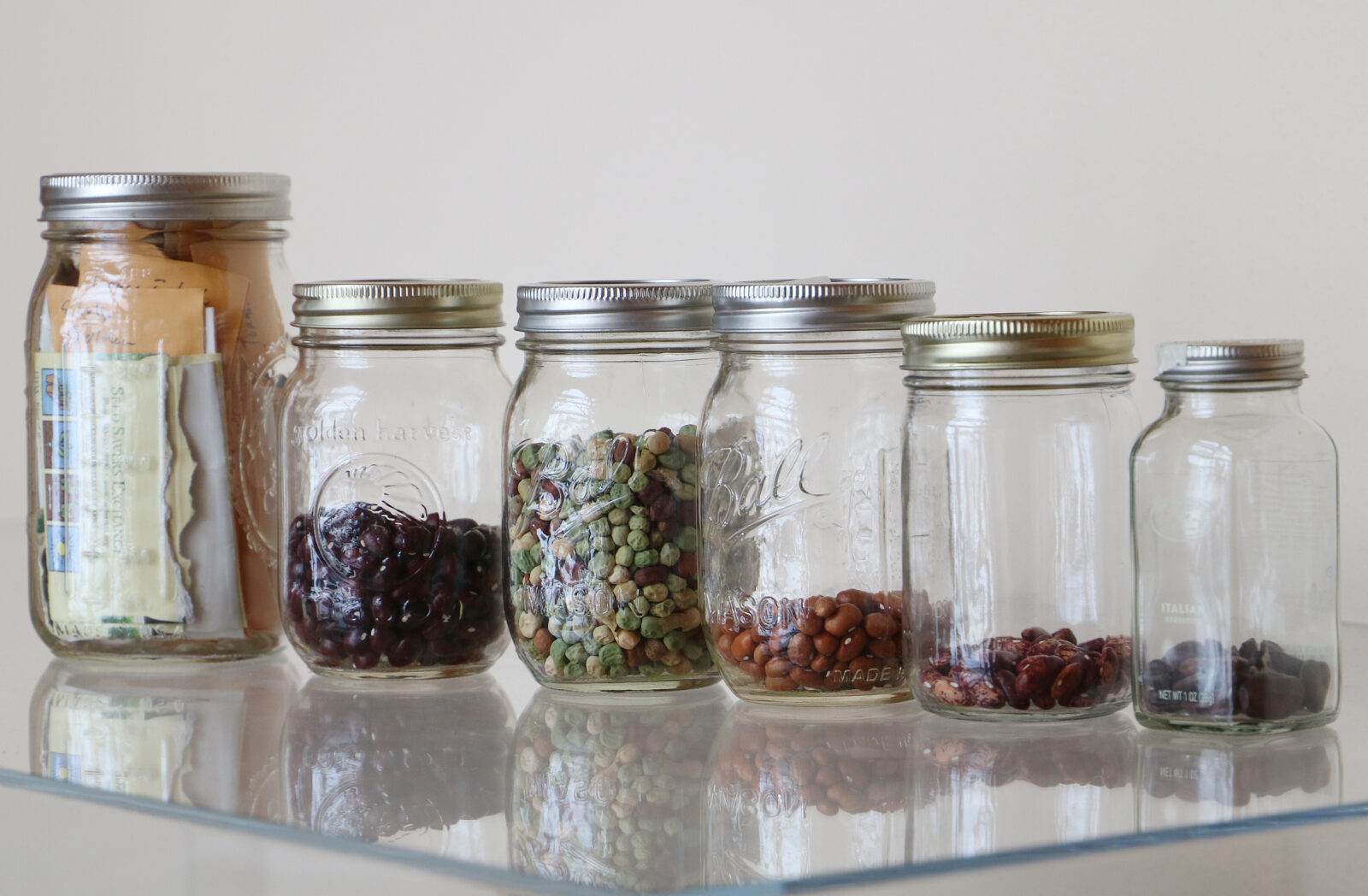
Protect your rare or stock-up sale finds with these three proper storage tips that ensure your seeds are viable when the planting time is right. It doesn’t take much, especially if you are storing seeds for two years or less.
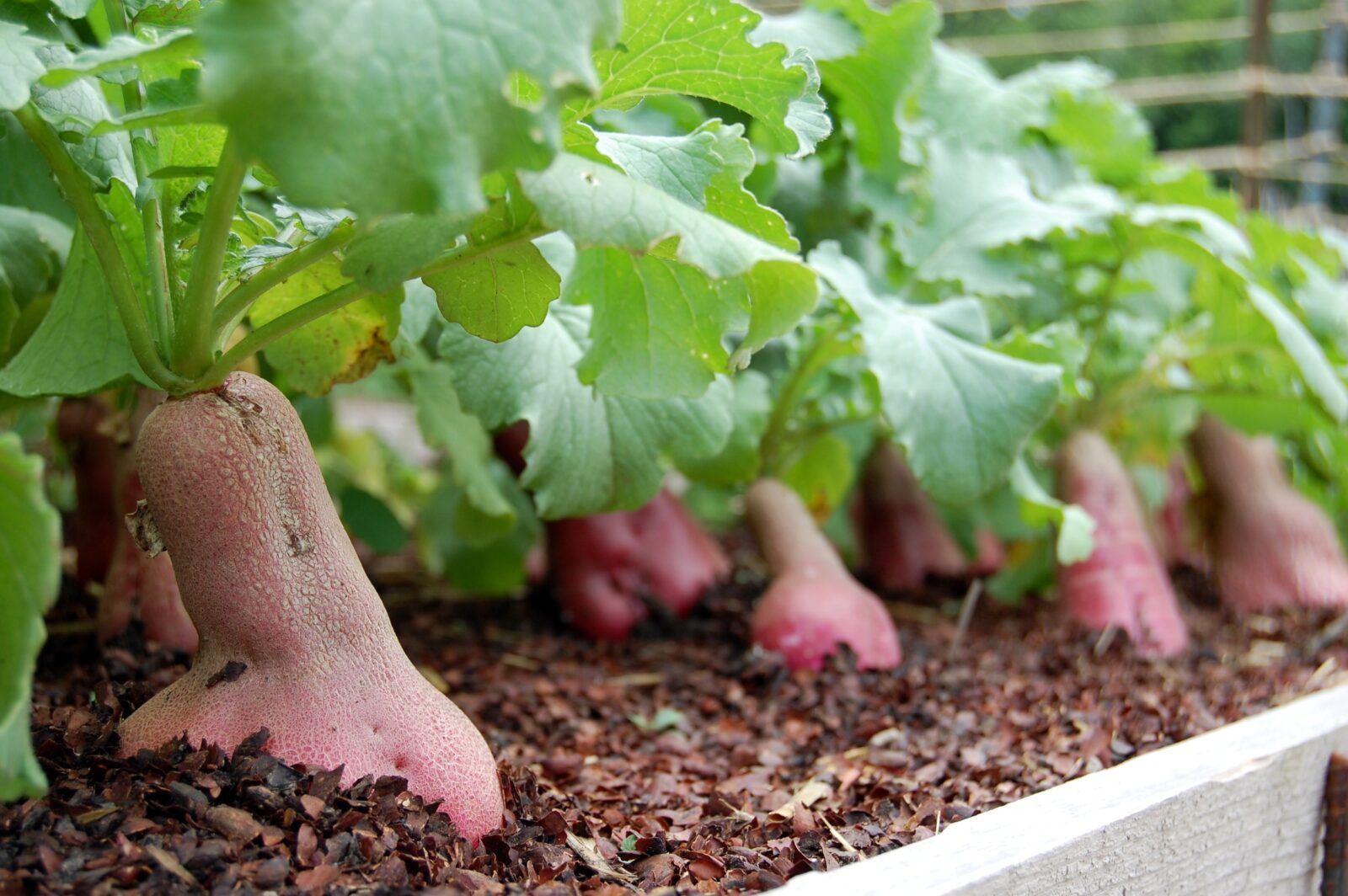
Radishes are wonderfully diverse with many different colors, shapes and sizes! Spring and summer varieties can be pink, red, white, golden, or purple. They can be shaped like bulbs, be more elongated like fingers, or even taper like carrots.
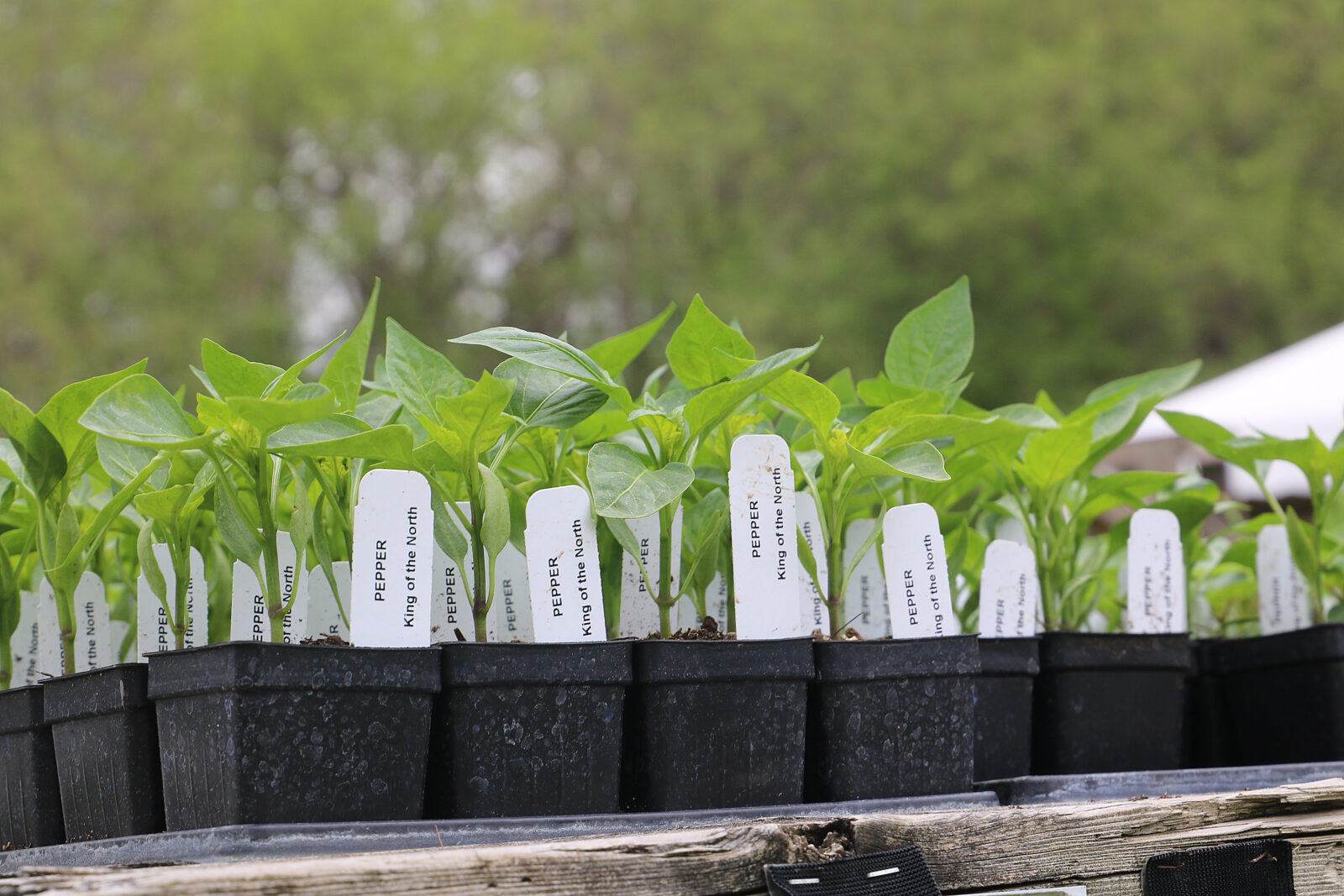
Two of the most popular crops to start indoors and transplant out are peppers and tomatoes. These tips will help ensure that you will have healthy, happy plants after you introduce them to the great outdoors.
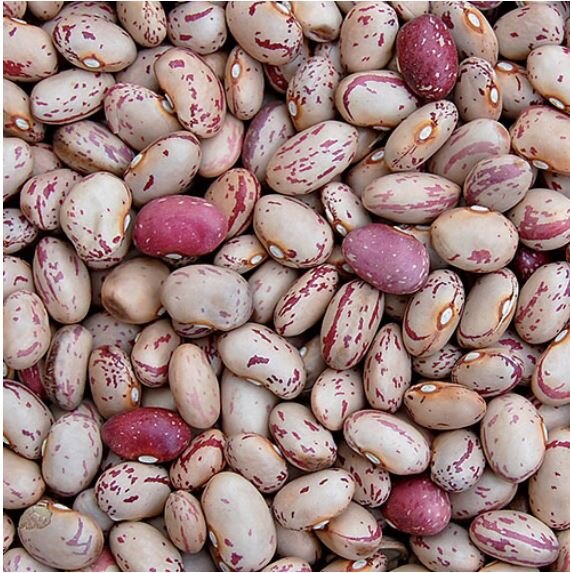
Lina Sisco of Wadena, Missouri, was one of the original listed members of the True Seed Exchange (as Seed Savers Exchange was known until 1979) and the donor of the beautiful and popular ‘Lina Sisco Bird Egg’ bean.
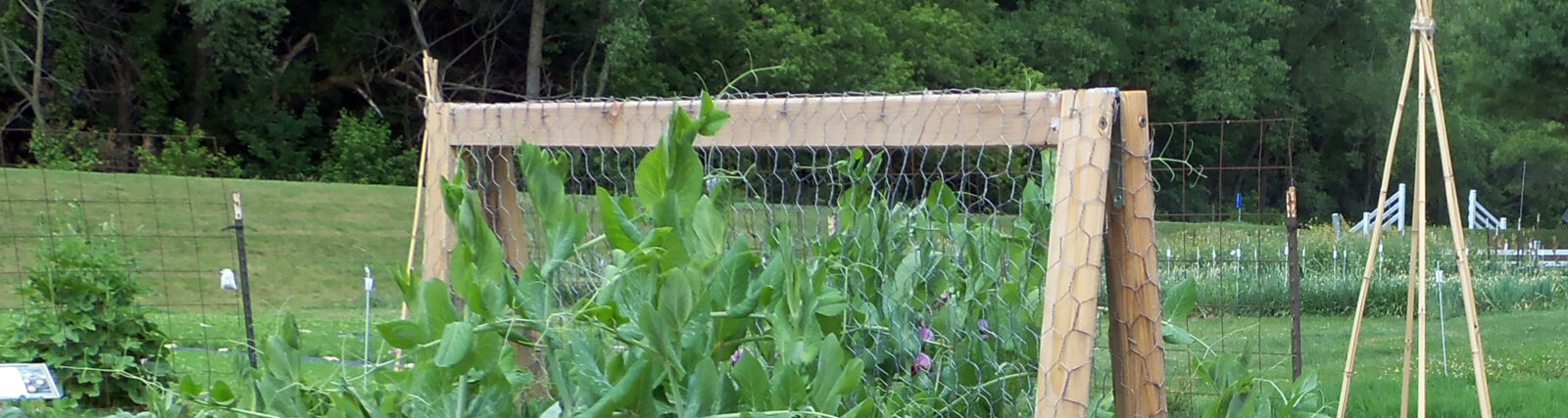
Maximize space in your garden with trellises. Some crop types—like cucumbers, tomatoes, and pole beans—need the extra support a trellis can provide, and others, like melons and squash, don’t require trellises but can benefit from being lifted off of the ground. When fruits are suspended from a trellis and kept from the soil surface, they are less prone to disease, and going vertical means that plants can grow vertically instead of sprawling, opening up some garden real estate on which to plant other crops.
Russ Crow’s earliest gardening memories are with his father, planting tomatoes. Inspired, Russ convinced his father to build a 2×2 foot plot in the yard to cultivate. “I planted it entirely in radishes. Solid radishes,” laughed Russ, nostalgically.
Kathleen Plunkett-Black grew up in Vermont, gardening with her father. One year, he decided to let Kathleen and her two siblings each have their own small plots planted with anything they wanted. “I picked celery, my brother picked peanuts, and my sister picked Brussels sprouts,” she remembers, laughing.