Keep Exploring
Flower Seed Saving Profiles

Flower Growing and Seed Saving Profiles
These profiles offer insights into the reseeding potential and harvest timing of 16 different common flower types, as well as seed-saving tips to help you confidently grow and preserve their beauty for years to come.
Learn how to grow and save flower seeds.
Amaranth
Amaranthus sp.
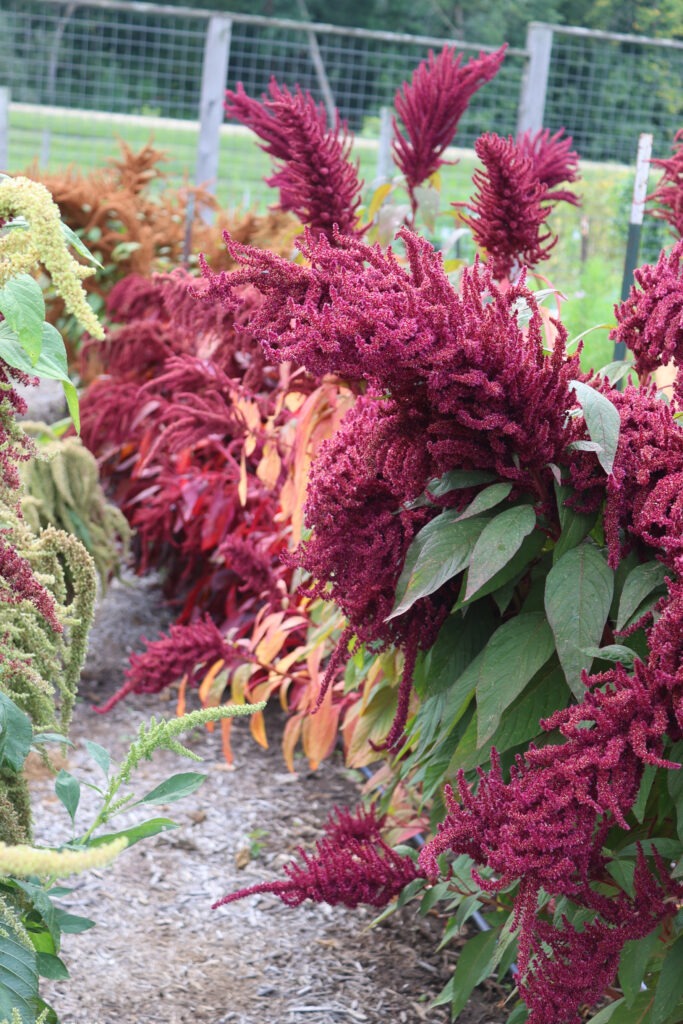
Sowing: Transplant or direct seed
Reseeding potential: Moderate to prolific
Pollination method: Wind
Isolation distance: 2 miles
Fresh Harvest: When inflorescences are three-quarters open.
Seed Harvest: Harvest seed heads when they begin to dry. Seeds are small and may require winnowing to remove chaff.
Seed viability: 5 years
Notes: Pinch plants when 12 inches tall to encourage slim stems that are more suitable for arranging. Amaranth is prone to lodging and may require additional support, like corralling using twine and t-posts. Dries very well for ornamental use.
Shop amaranth seeds
Bells of Ireland
Moluccella laevis
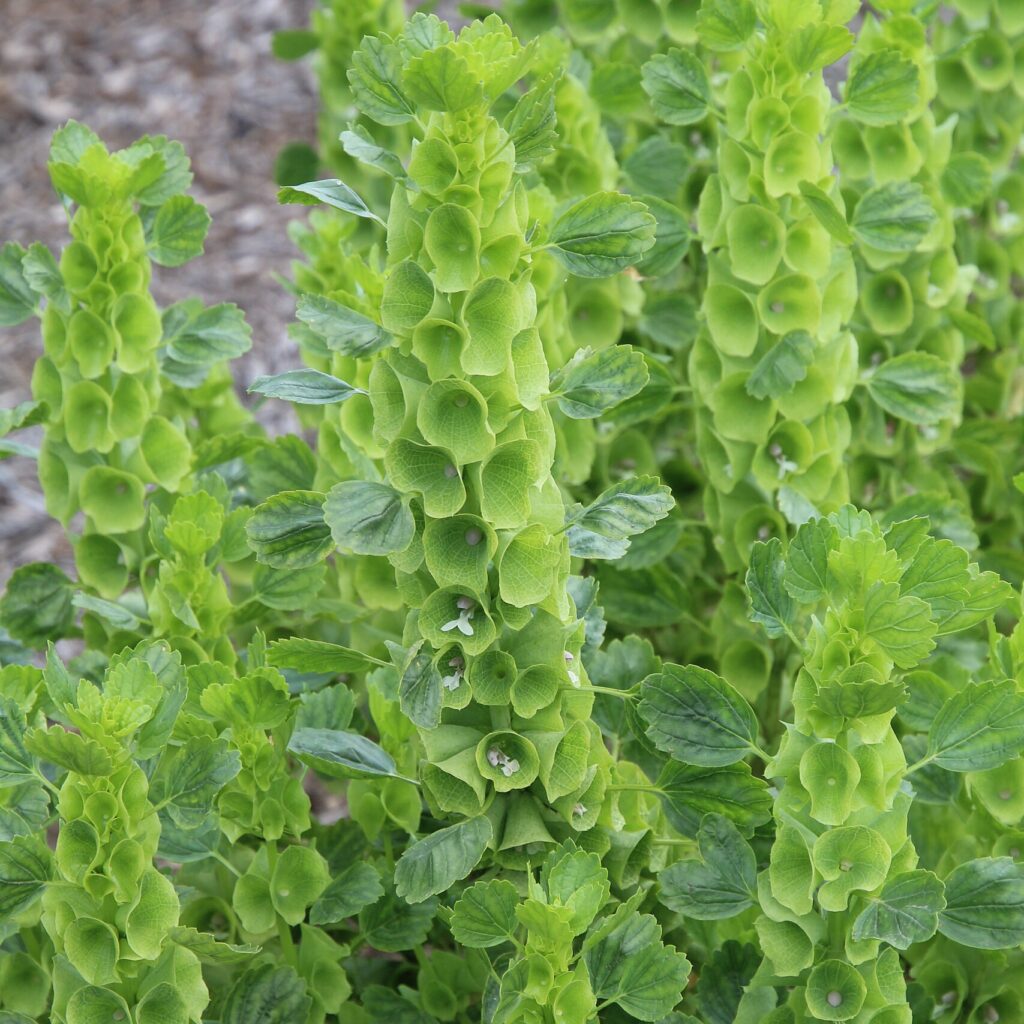
Sowing: Direct seed or transplant. Seeds require cold stratification—several weeks of exposure to cold temperatures. This can be achieved by sowing outdoors in fall or late winter, or by placing seeds in the freezer for several weeks prior to sowing
Reseeding potential: Moderate
Pollination method: Insects
Isolation distance: 300 ft
Fresh Harvest: Depending on desired stem length, begin harvesting when lower green bells start forming

Seed Harvest: When the four seeds within the funnel-shaped calyx are dry
Notes: Plants are prone to lodging and may require additional support, like horizontal netting. Dries well for ornamental use.
Calendula
Calendula officinalis
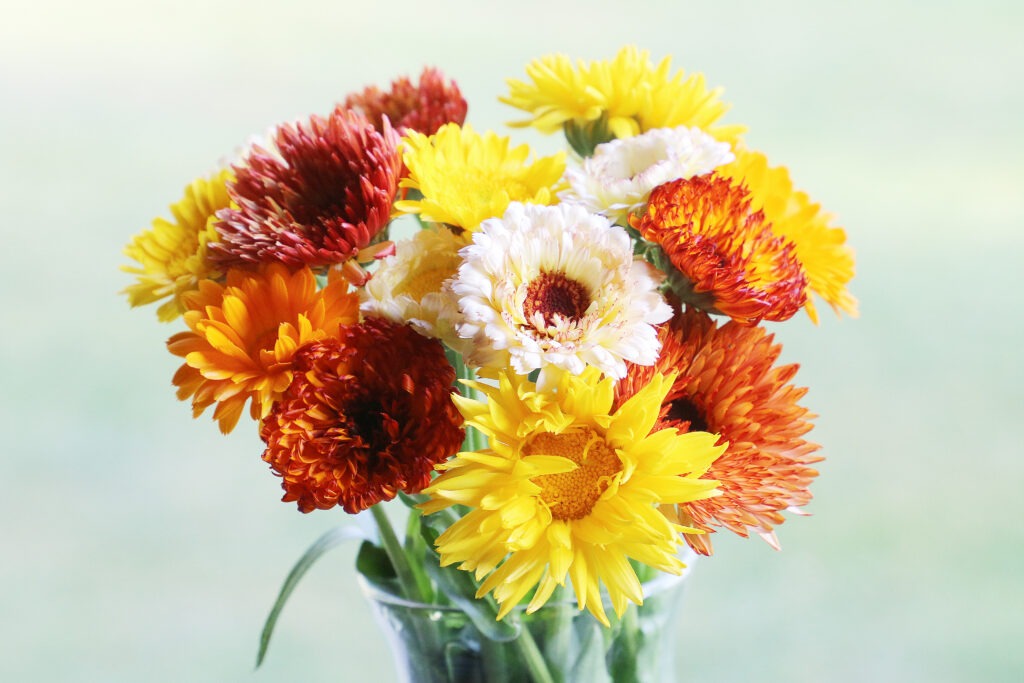
Sowing: Transplant or direct seed
Reseeding potential: Moderate to prolific
Pollination: Insects
Isolation distance: 700 ft
Fresh Harvest: When buds begin to open
Seed Harvest: Seeds mature rapidly and quickly shatter; they can be harvested slightly immature and further dried or protected with blossom bags to ensure a seed harvest.
Seed viability: 9 years
Notes: Calendula blooms are prolific and require regular cut flower harvest or deadheading. Sticky foliage.
Celosia
Celosia sp.
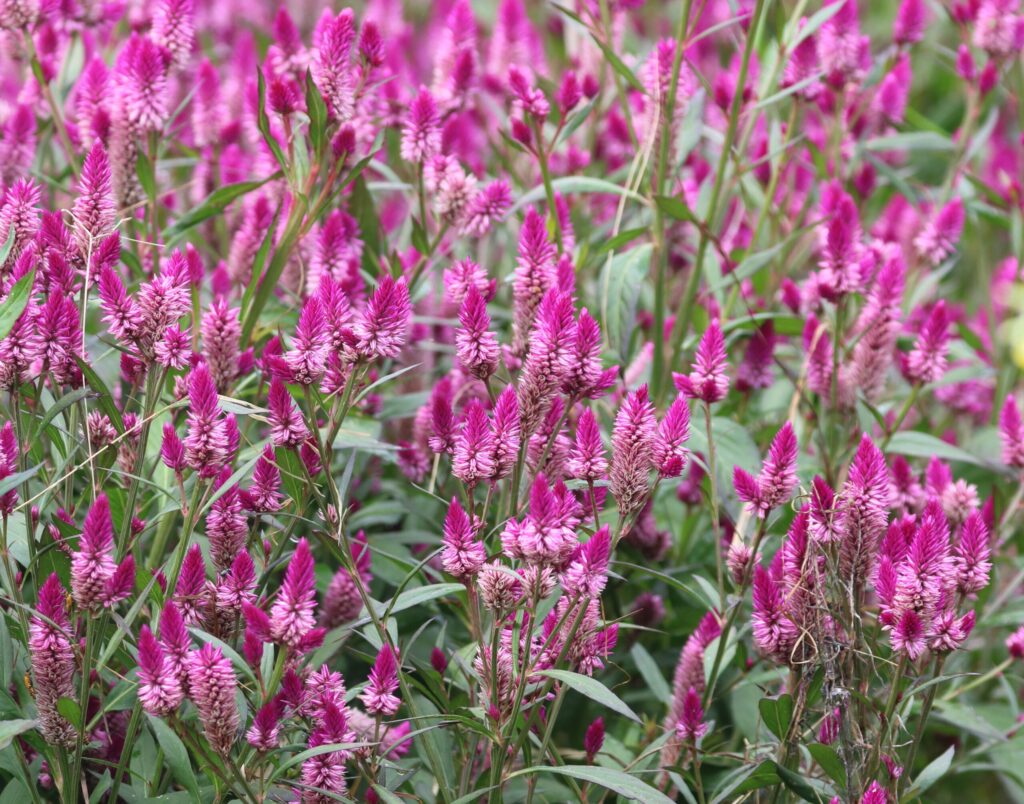
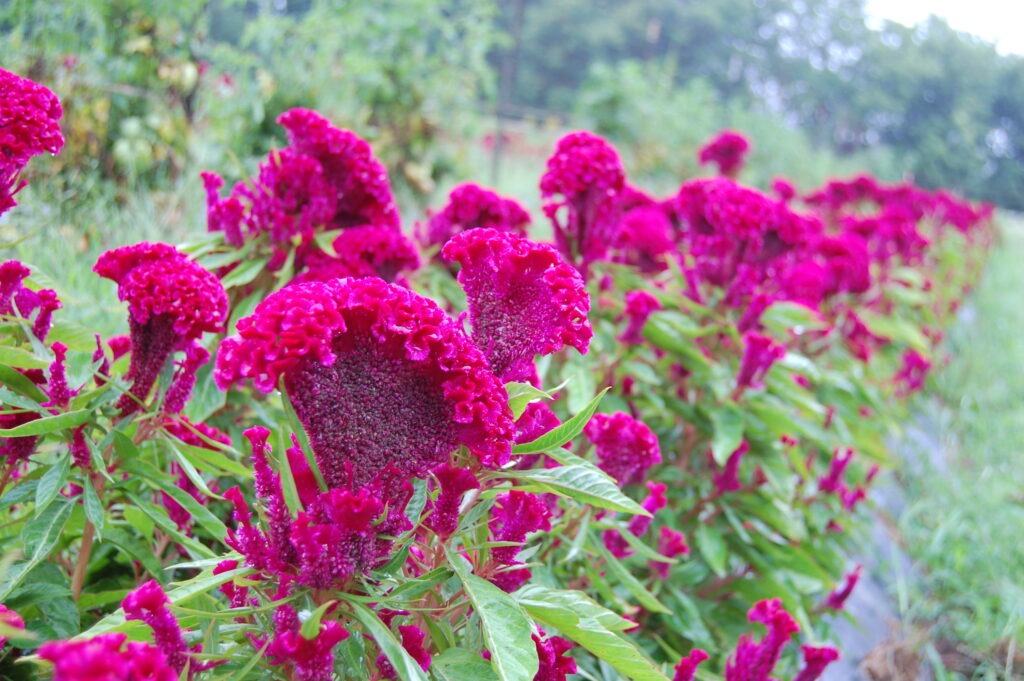
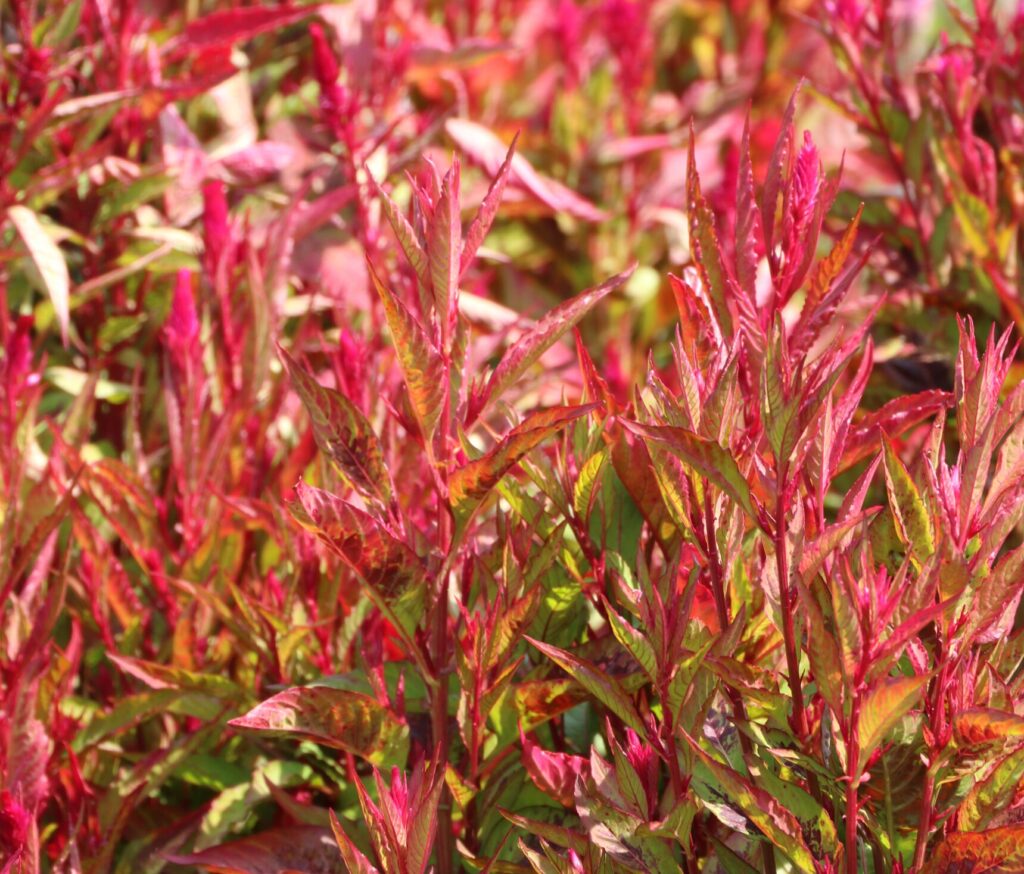
Sowing: Transplant (preferred) or direct seed
Reseeding potential: Low
Pollination: Self, insects
Isolation distance: ¼ mile
Fresh Harvest: Harvest at the desired size, but before the seeds shatter.
Seed Harvest: Harvest when seeds have dried within flower heads and they begin dropping. Cut the whole seed heads and hang them to dry and mature further in a dry, ventilated place; further process via winnowing to remove viable seed from the chaff.
Seed viability: 4 years
Notes: Pinch cut-and-come again types (as opposed to single-stem Himalayan types) when six to eight inches tall. Excellent crop for drying.
Cosmos
C. bipinnatus, C. sulphureus
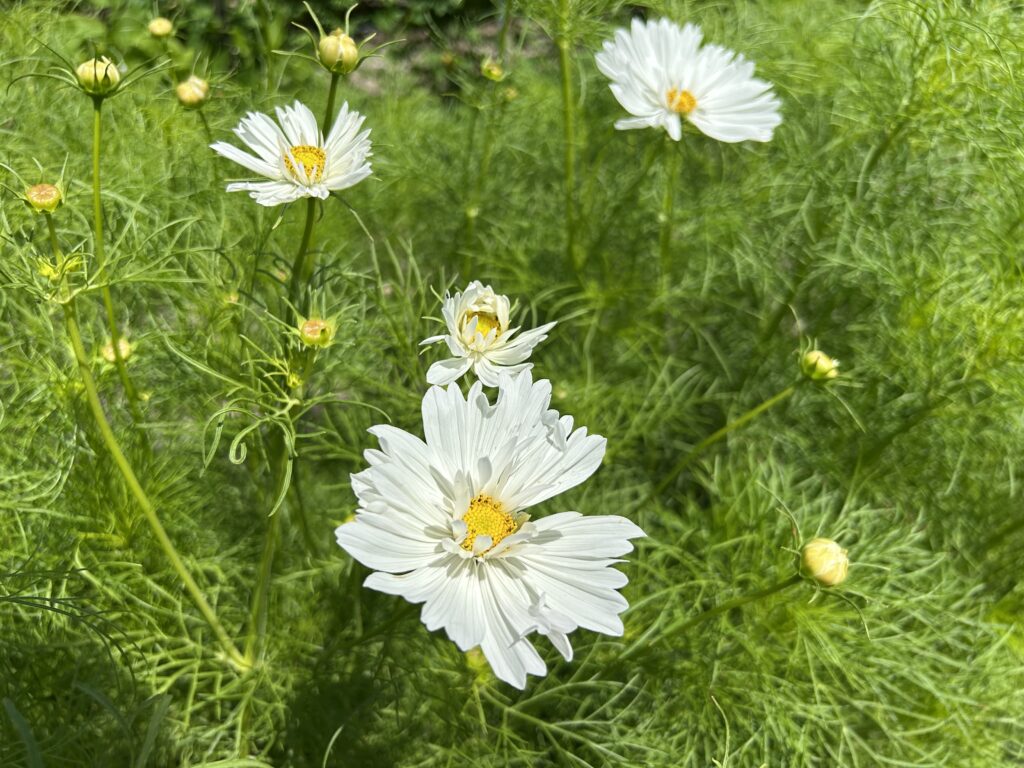
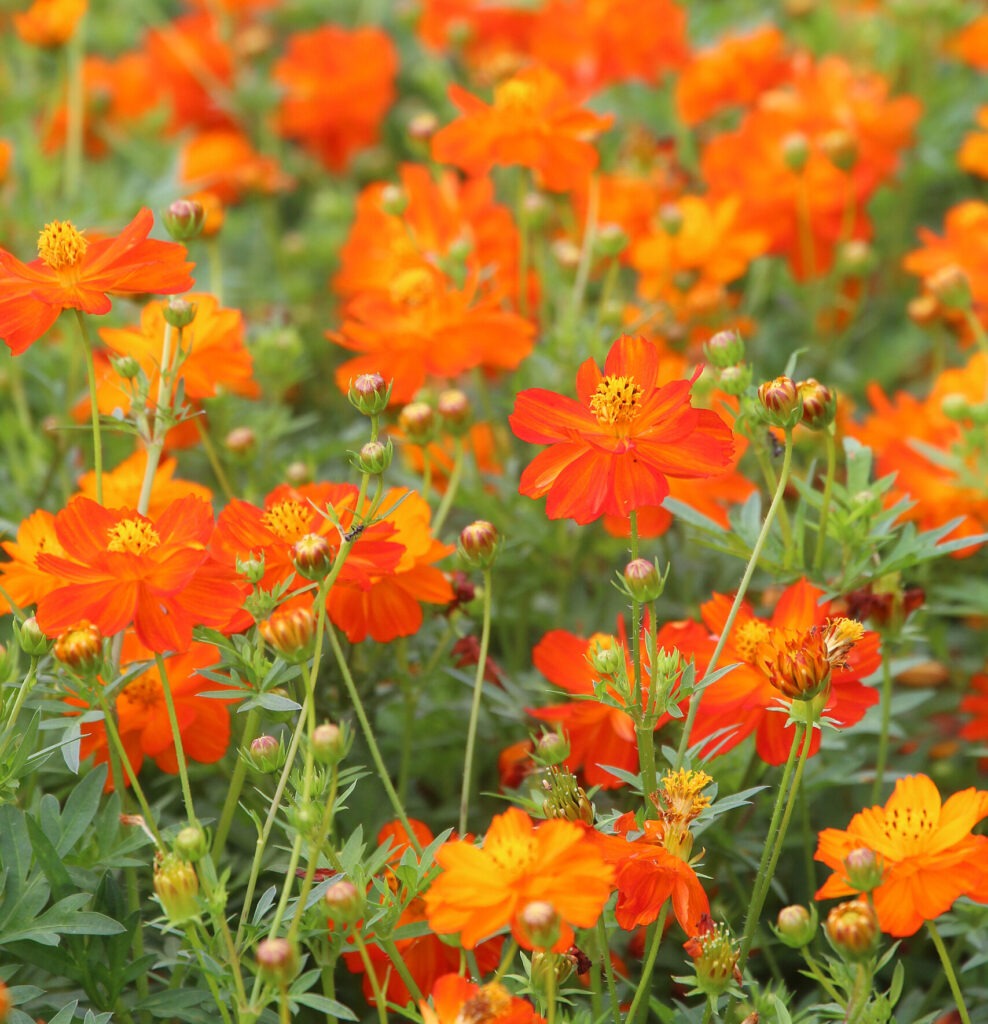
Sowing: Transplant or direct seed
Reseeding potential: High, within the same season
Pollination: Insects
Isolation distance: ¼ mile (C. bipinnatus and C. sulphureus usually do not cross-pollinate with one another.)
Fresh Harvest: When flower buds are partially open
Seed Harvest: Harvest the entire seed head as it ripens. Seeds mature rather quickly and shatter.

Seed viability: 5 years
Notes: Plants benefit from additional support, like corralling using t-posts and twine. When pressed, C. sulphureus blooms leave behind vibrant, concentrated pigments.
Hollyhocks
Alcea rosea
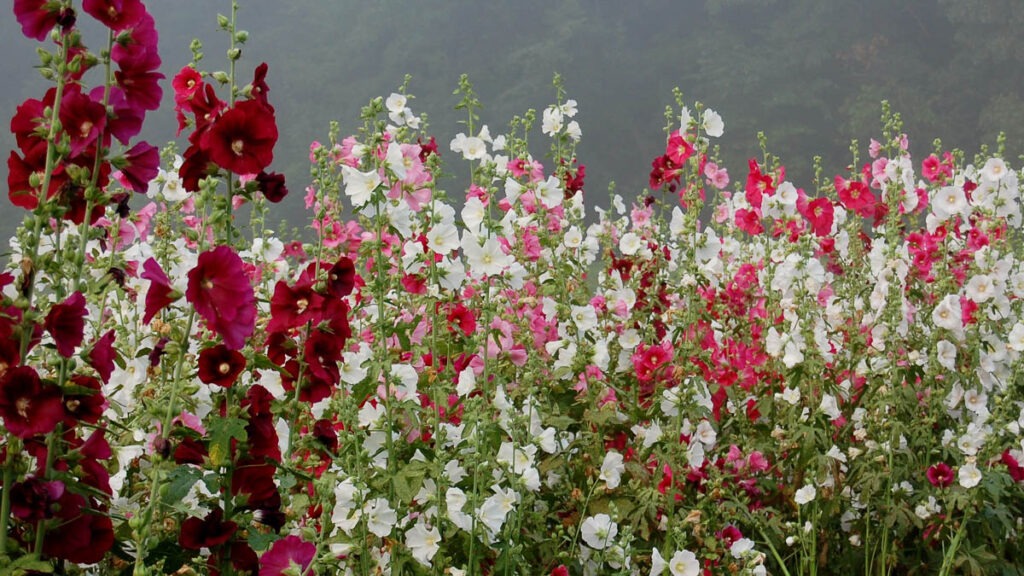
Sowing: Transplant or direct seed
Reseeding potential: High
Pollination: Self, insects
Isolation distance: ¼ mile
Fresh Harvest: When one-third of the flowers on the stem have opened. Sear the stem ends with a lighter or boiling water to stop the flow of milky sap.

Seed Harvest: Collect fruits when dry
Seed viability: 9 years
Notes: Biennial, may not flower in the first year. Favorite of deer, may benefit from barriers such as fencing.
Instructional Video: How to Save Hollyhock Seeds
Learn how to save your own hollyhock seeds from Becca and Marcus, Seed Savers Exchange farm managers! Follow along as they demonstrate how to harvest, thresh/screen, winnow, dry, and store hollyhock seeds.
Love-in-a-Mist
Nigella damascena

Sowing: Transplant or direct seed (preferred)
Reseeding potential: Prolific
Pollination: Insects
Isolation distance: ¼ mile
Fresh Harvest: Long harvest window that can begin when flowers are three-quarters open, through pod development and drying.

Seed Harvest: Crunchy, inflated mature capsules release many seeds through the opening at the top. Harvest the fruits (or entire plants) and shake out the seeds into a bowl or bucket.
Seed viability: 5 years
Notes: Dried seedpods are striking! Use caution when seed harvesting to preserve both seeds and capsules, if desired.
Marigold
Tagetes spp.
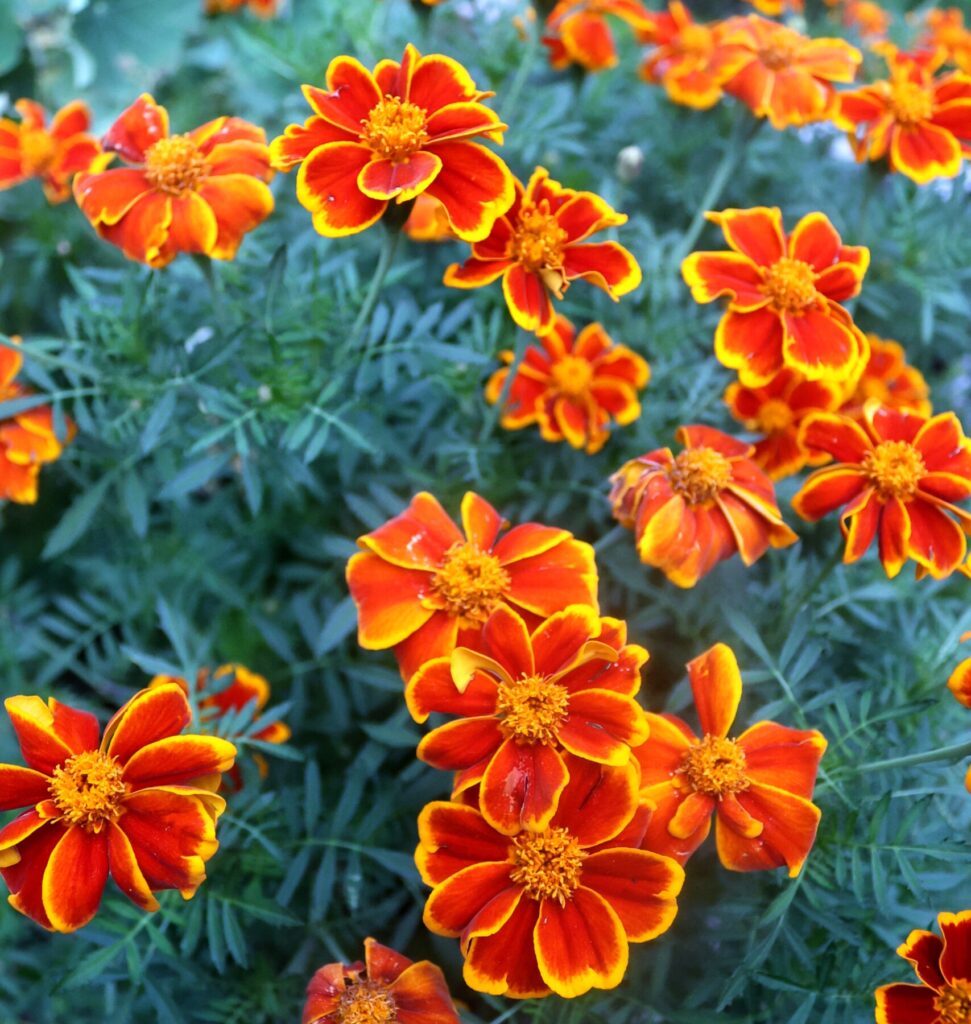
Sowing: Transplant or direct seed
Reseeding potential: Slight to moderate
Pollination: Self, insects
Isolation distance: ¼ mile
Fresh Harvest: When flower heads are half open

Seed Harvest: When individual heads are dry
Seed viability: 5 years
Notes: Pinch when plants are 8-12 inches tall to encourage bushier plants and more blooms throughout the season.
Morning Glory
Ipomoea purpurea
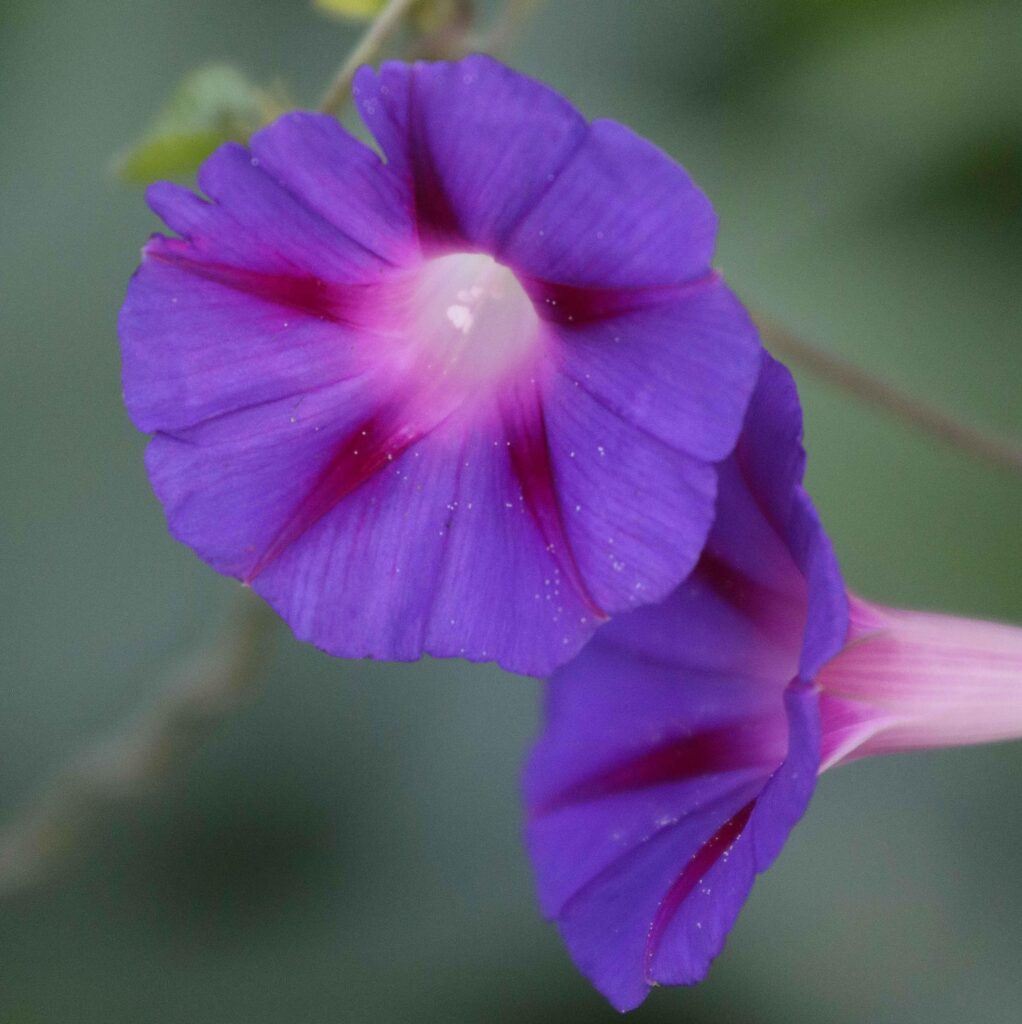
Sowing: Direct seed
Reseeding potential: Very prolific
Pollination: Insects
Isolation distance: ¼ mile
Seed harvest: Collect brown seed pods
Seed viability: 4 years

Notes: Self-seed readily and can be aggressive. To prevent this, deadhead any spent blooms to prevent the flowers from going to seed. Be diligent about pulling unwanted seedlings, especially volunteer plants in springtime. Morning glories require trellising; they will climb and choke out nearby plants.
Learn how to trellis morning glories.

Shop ‘Grandpa Ott’s’ morning glory seeds
Nasturtium
Tropaeolum majus
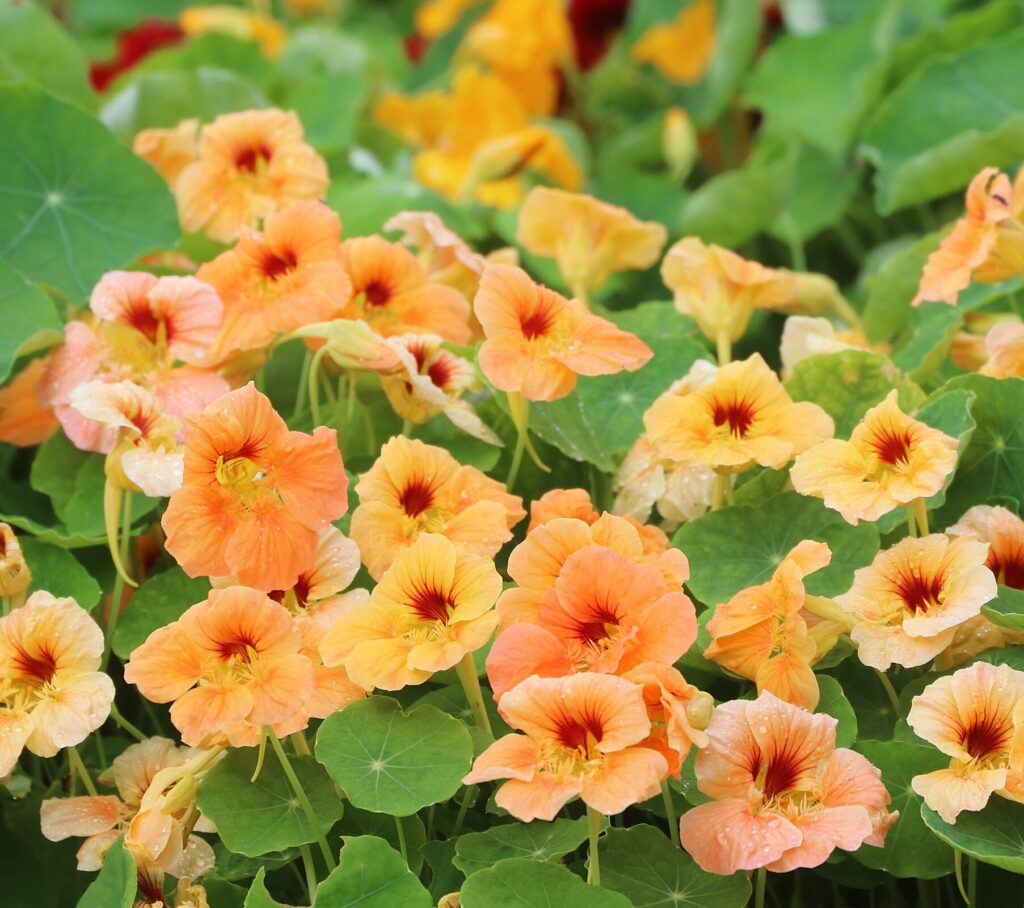
Sowing: Transplant or direct seed
Pollination: Insects
Isolation distance: ¼ mile
Fresh harvest: Edible flowers, young leaves, and immature seed pods often harvested fresh for culinary purposes
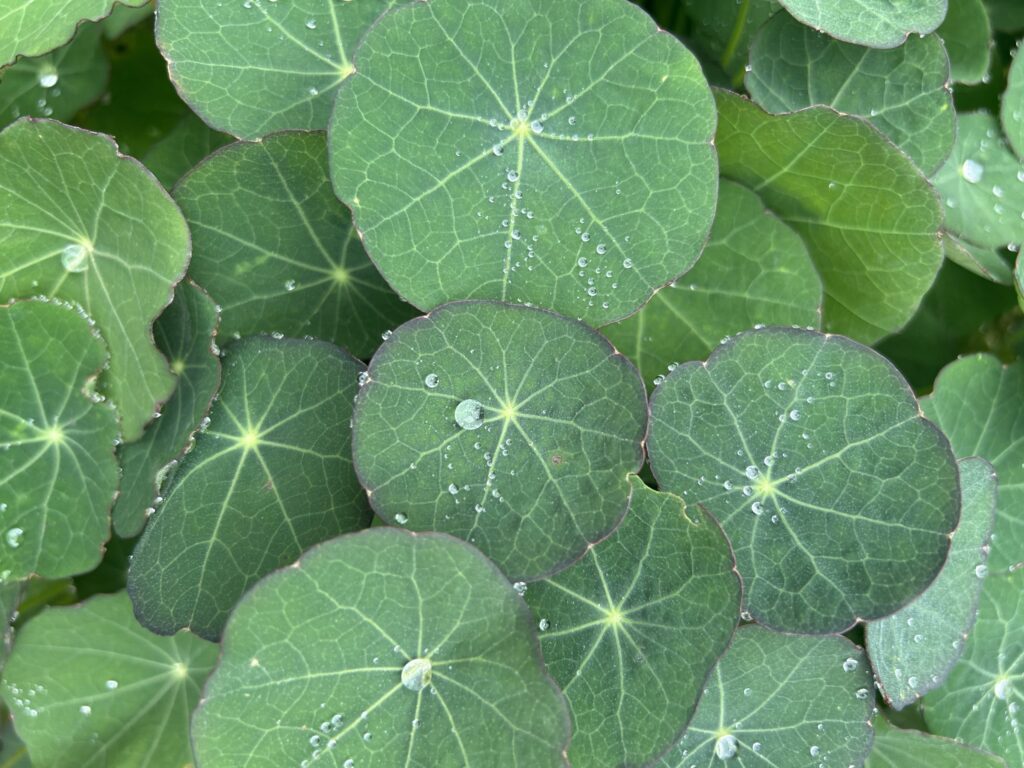
Seed harvest: When seed pods are brown and drooping, or dislodge easily from the plant (may still be green)
Seed viability: 10 years
Notes: Fast-growing, trialing or climbing habit.
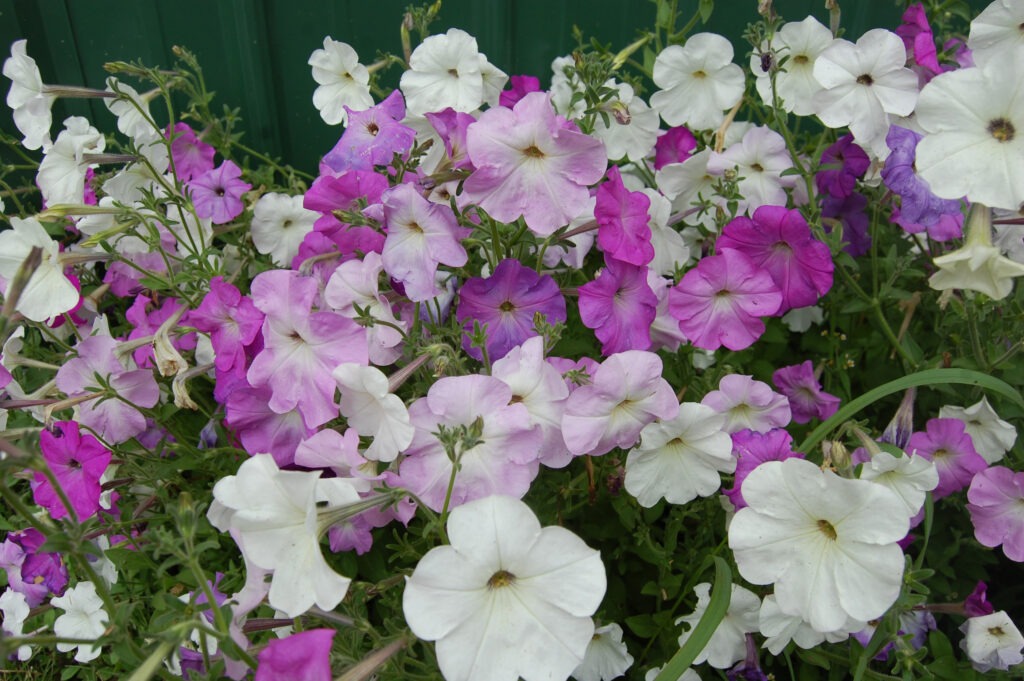
Petunia
Petunia spp.
Sowing: Transplant (preferred) or direct seed
Pollination: Insects
Isolation distance: 700 ft
Fresh harvest: Harvest when 1-2 flowers on the stem are open.

Seed harvest: Seed pods and seeds are very small. Harvest whole seed heads when the central pod is brown and dry. Each pod contains MANY seeds.
Seed viability: 5 years
Notes: Seeds require light for germination.
Instructional Videos:
- When and How to Harvest Petunia Seeds
- How to Winnow Petunia Seeds
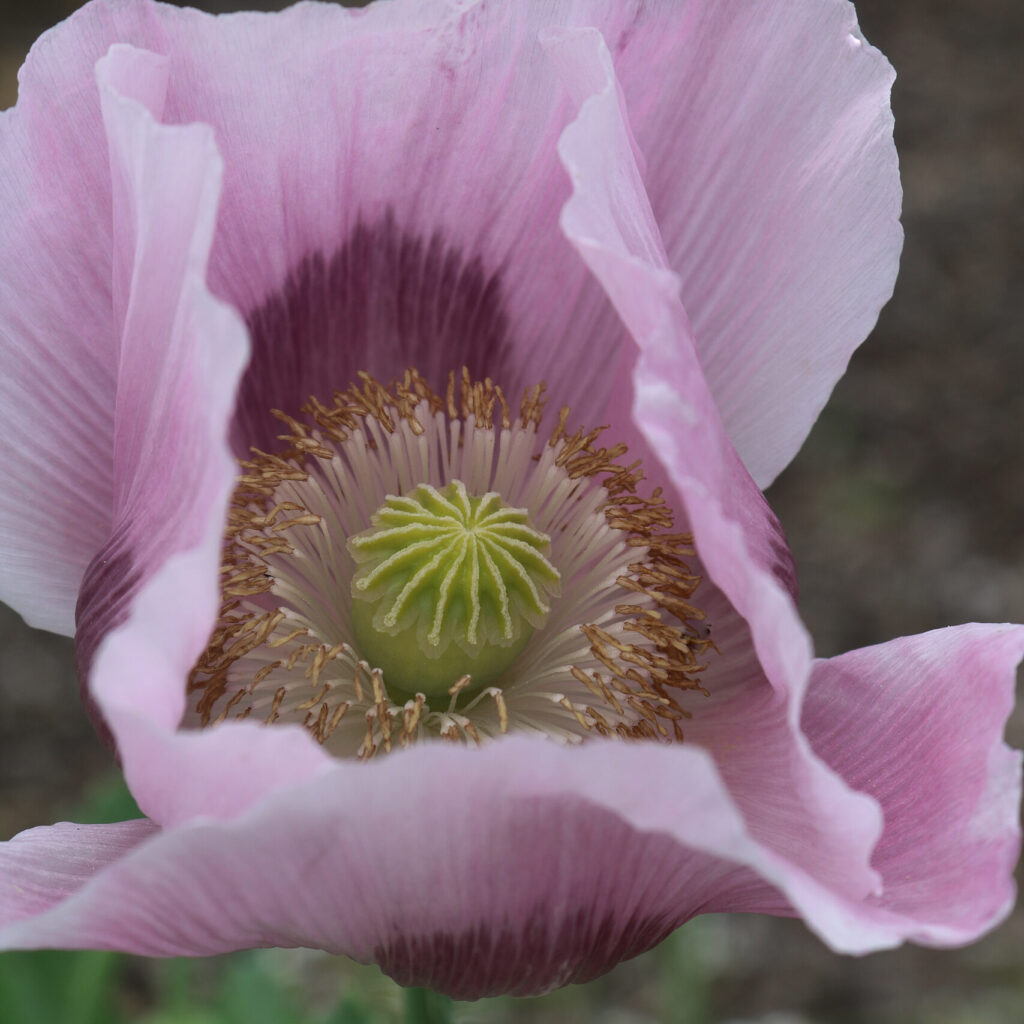
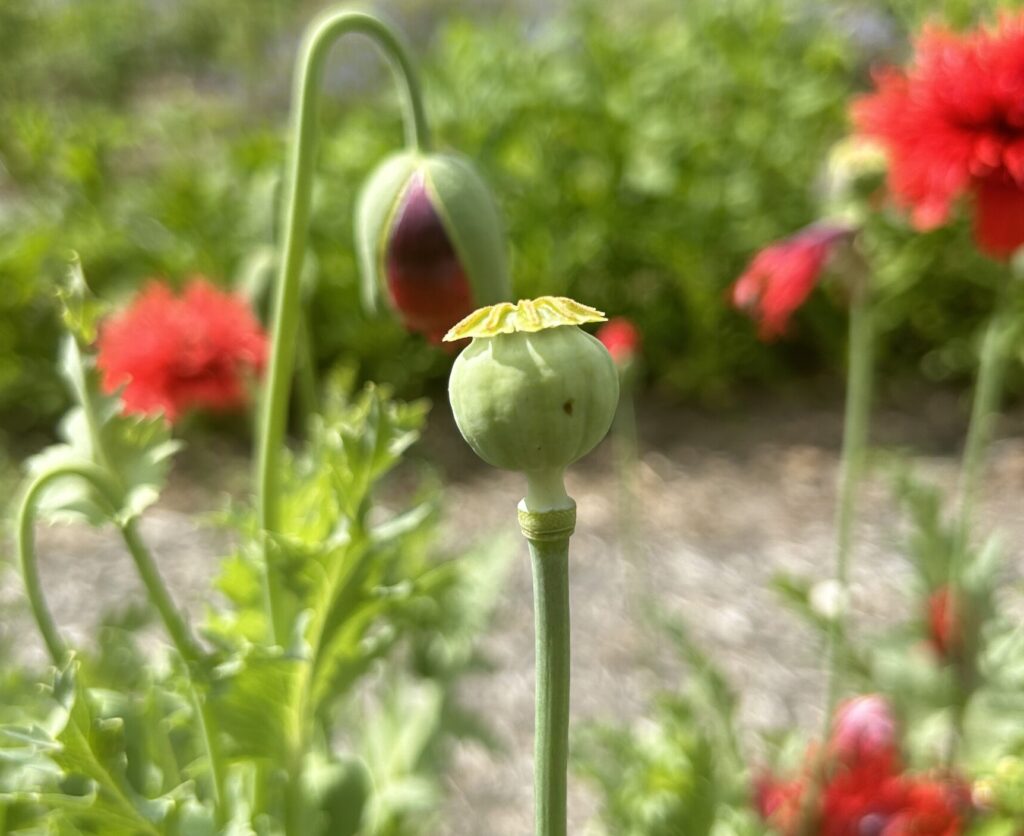
Breadseed Poppy
Papaver somniferum
Sowing: Transplant or direct seed (preferred)
Reseeding potential: Moderate to prolific, depending on capsule type
Pollination: Insects
Isolation distance: 300 ft
Fresh Harvest: Harvest when flowers are half open and sear the stem ends with a lighter or boiling water. Breadseed poppies have a short vase life, lasting just two to three days.
Seed Harvest: Harvest dry pods and shake the seeds out into a bowl or bucket.
Seed viability: 2 years
Notes: While short-lived fresh in the vase, breadseed types produce pods that add excellent interest to both fresh and dried arrangements.
Snapdragon
Antirrhinum majus
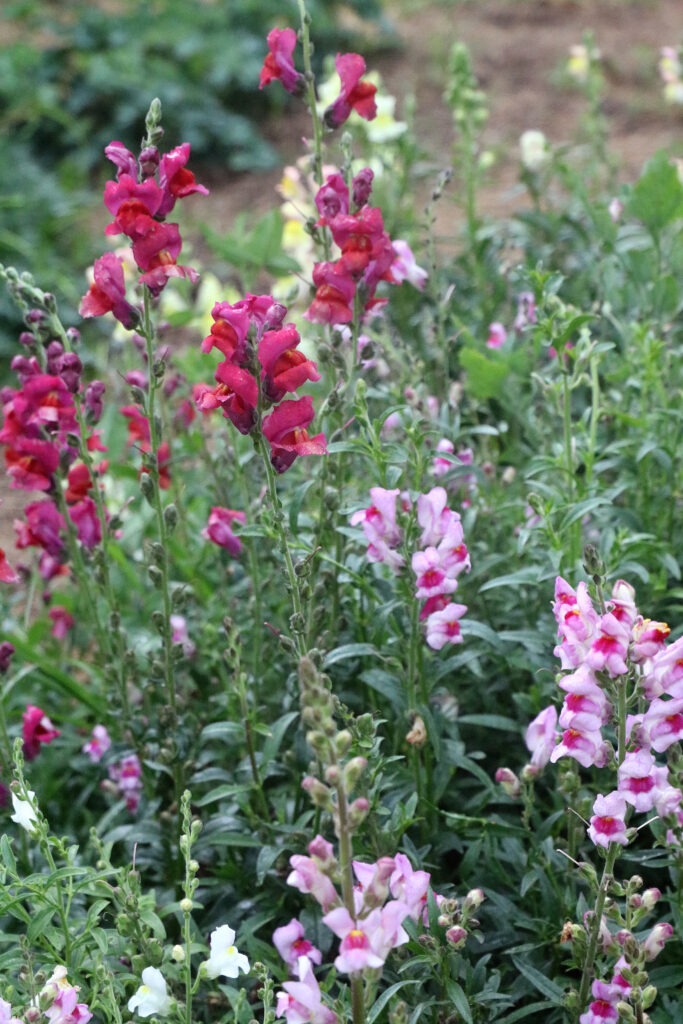
Sowing: Transplant preferred
Reseeding potential: Slight
Pollination: Self, insects
Isolation distance: 600 ft
Fresh Harvest: When the bottom two to three flowers are open. After the flowers are pollinated they quickly drop.
Seed Harvest: Fruits are capsules with many seeds. Harvest the flower stalk when two-thirds of the capsules are ripe for a large harvest. Alternatively, harvest individual fruits and shake out the seeds.
Seed viability: 3 years

Notes: Mostly self-pollinated. Pinching is recommended when plants are four to five inches. Consider providing horizontal support, like Hortonova, to encourage straight stems.
Sunflower
Helianthus annuus
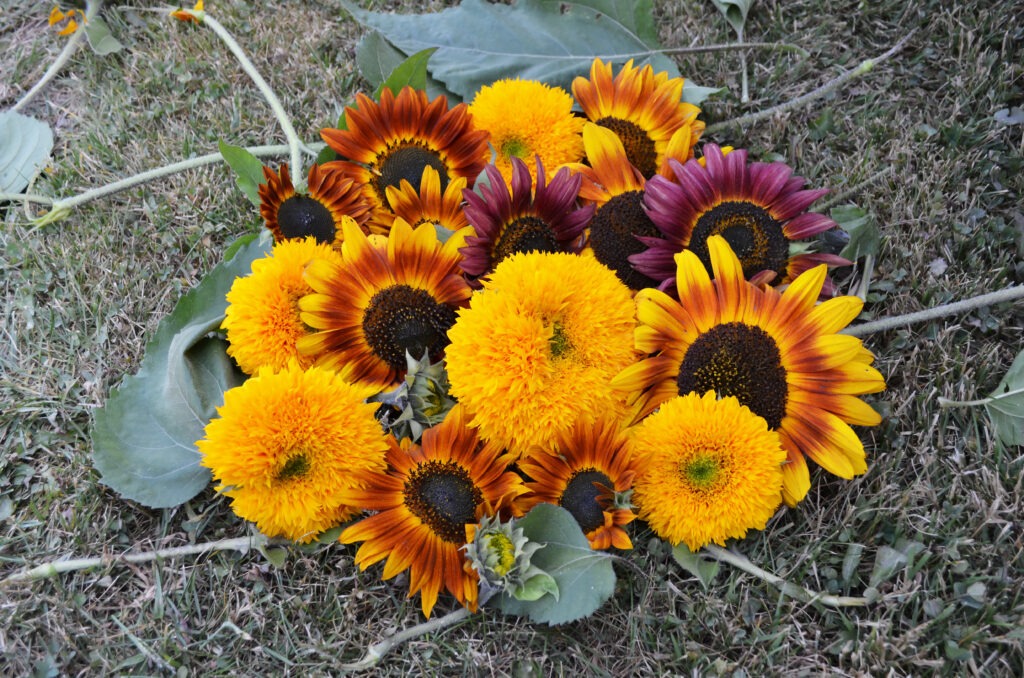
Sowing: Transplant or direct seed (preferred)
Reseeding potential: Moderate to prolific
Pollination: Insects
Isolation distance: ½ mile
Fresh Harvest: When florets begin to rise from the head.

Seed Harvest: Allow the seed head to dry down. To deter birds from the seeds and ensure you get a harvest, tie a paper bag over the seed head, and allow it to further dry indoors.
Seed viability: 3 years
Notes: Plants can get large and may require additional support, like corralling using twine and t-posts.
Strawflower
Xerochrysum bracteatum
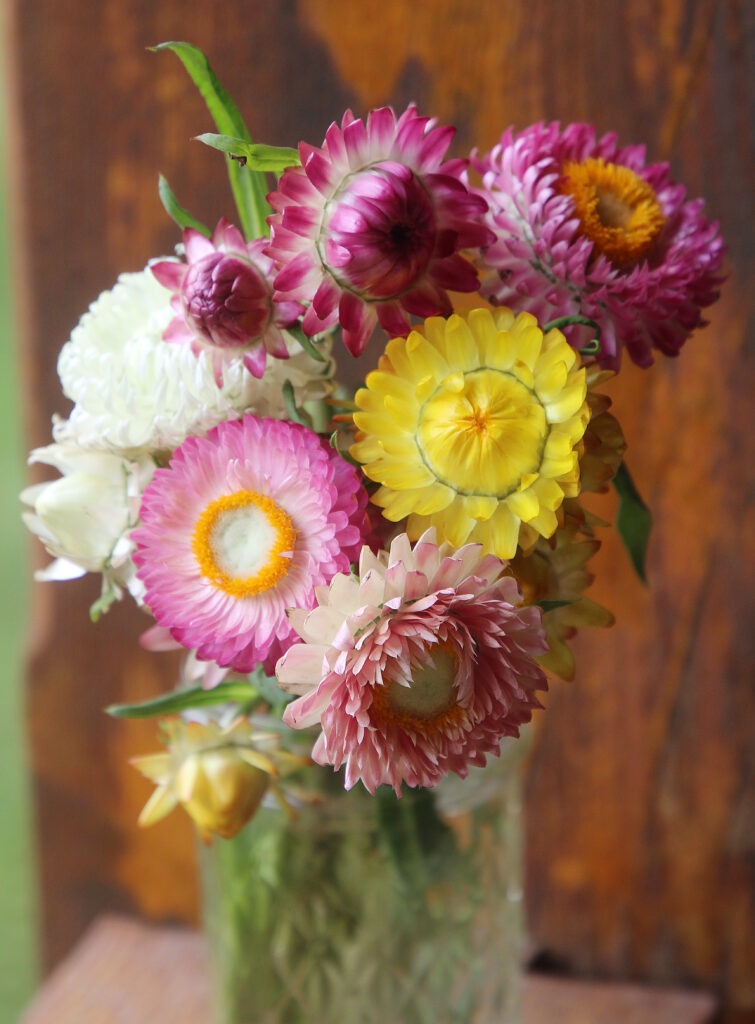
Sowing: Transplant (preferred) or direct seed
Reseeding potential: Slight
Pollination: Self, insects
Isolation distance: ½ mile
Fresh Harvest: When flower centers first open, but before they’ve been pollinated.
Seed Harvest: Mature seeds inside the papery bracts can be harvested once fully dry on the plant. Rub the heads to release the seeds. Further process to remove the chaff.
Seed viability: 2 years
Notes: For ornamental drying, harvest blooms just as they begin to open—they will continue to open as they dry.
Zinnia
Zinnia sp.
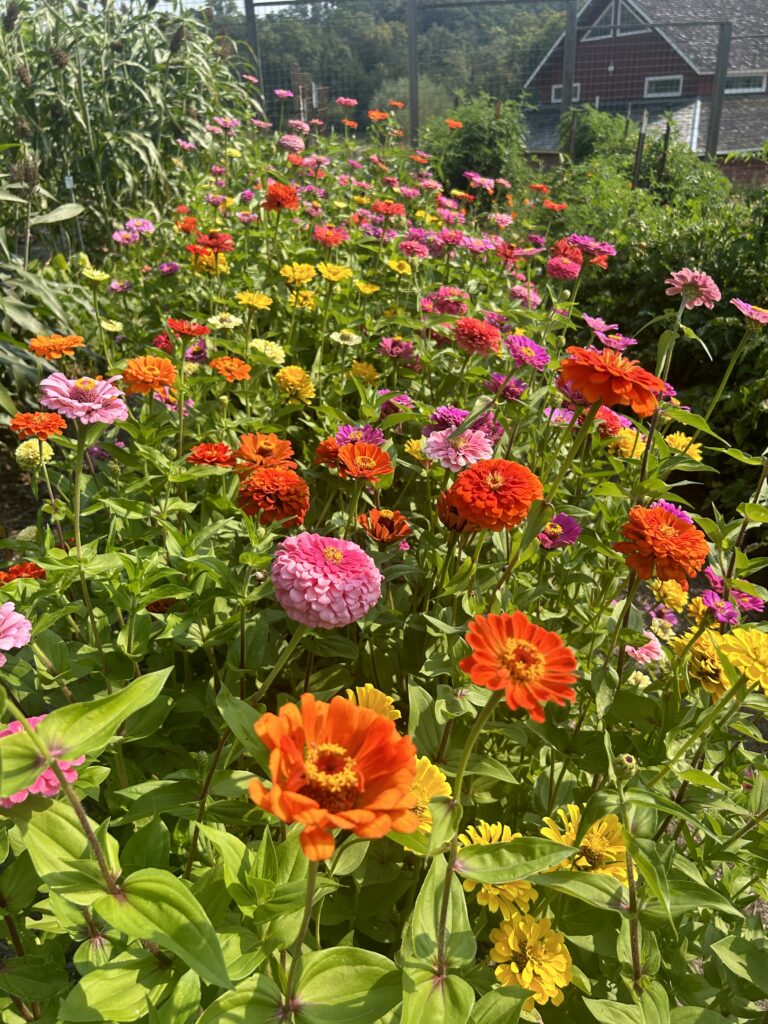
Sowing: Transplant or direct seed
Pollination: Self, insects
Isolation distance: ½ mile
Fresh Harvest: When the stem below the head is stiff and firm
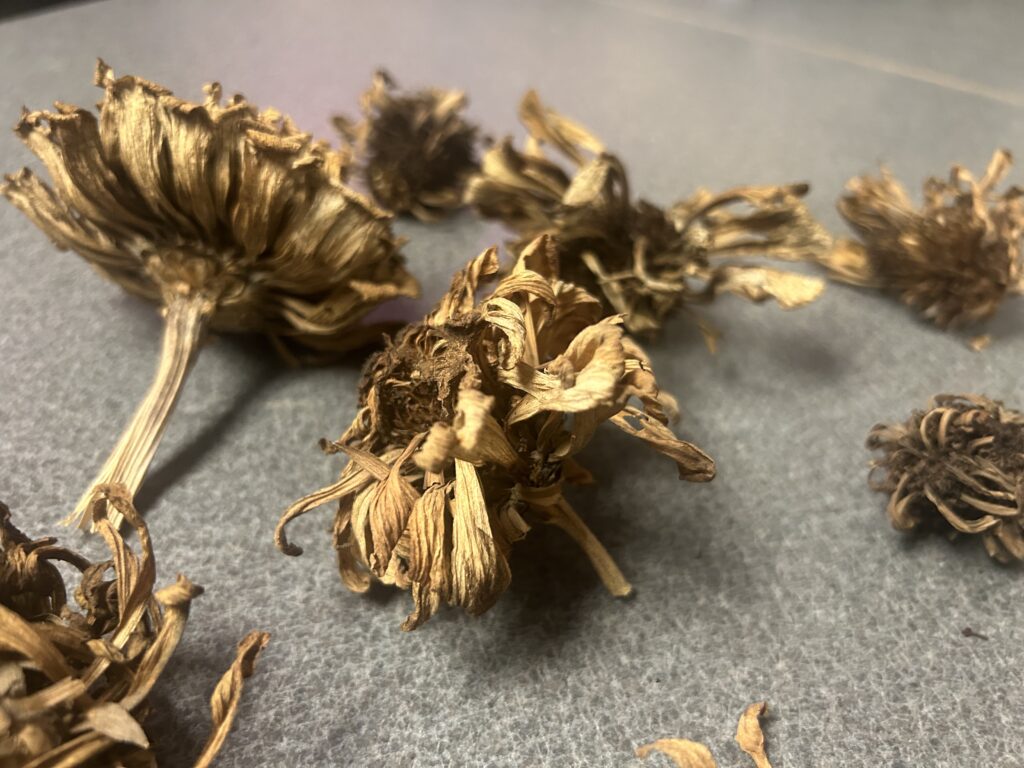
Seed Harvest: Harvest seed heads when they are dry and mature; the stem below the head will be brown. Remove the seeds from the head and winnow to remove the viable seeds from the chaff.
Seed viability: 10 years
Notes: Pinching recommended. Plants may require additional support, like corralling, using twine, and t-posts.