Keep Exploring
When you make a purchase from Seed Savers Exchange, you help fulfill our nonprofit mission to protect our food and garden heritage. Do even more good by making a donation to help us preserve and share even more heirloom varieties!
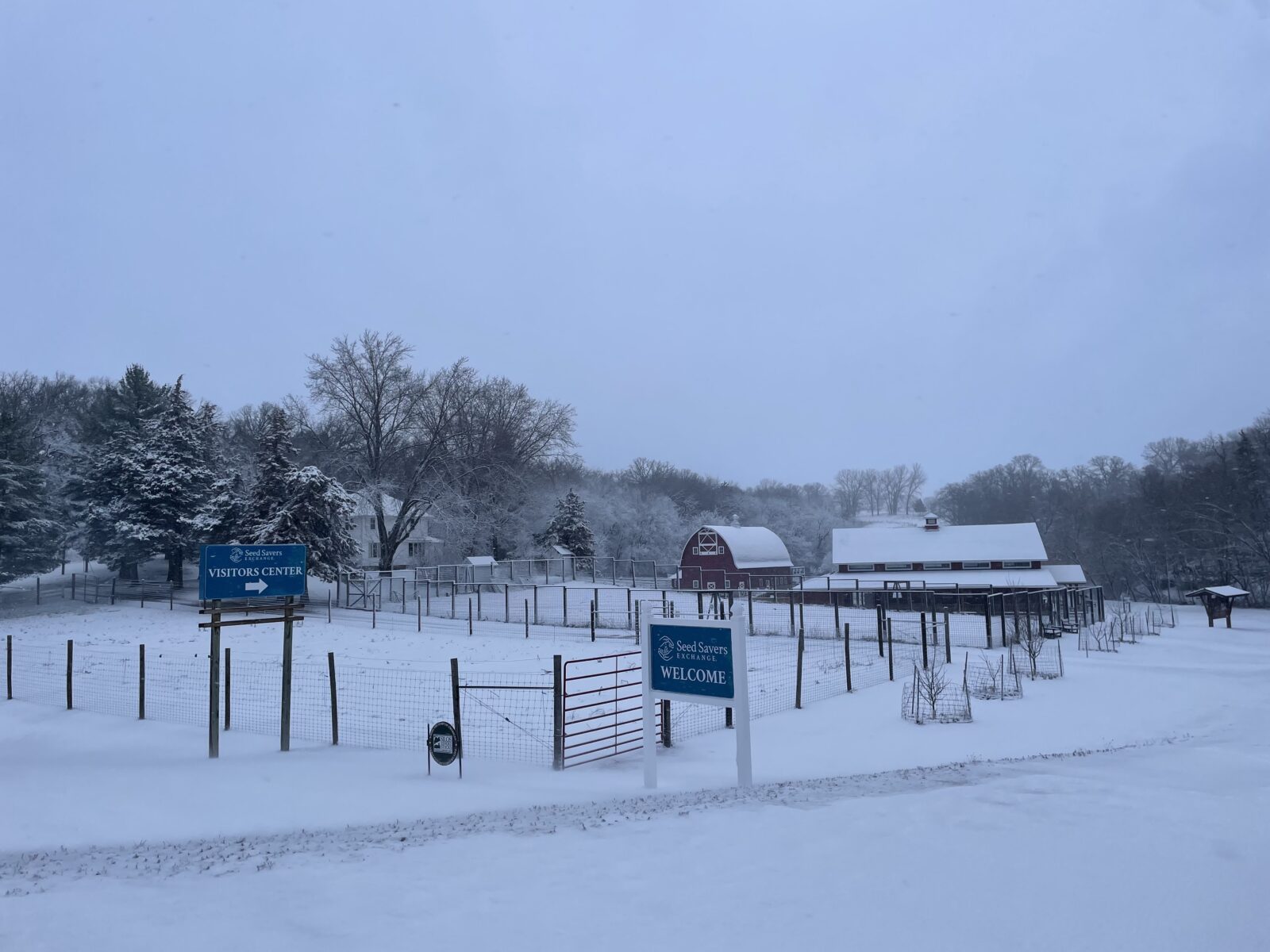
You’re flipping through those beautiful seed catalogs. You’re making your list of old favorites and new varieties you’re excited to grow. You’re planning out your garden plot(s). You’re ordering all your tools and other garden supplies for the coming gardening season. Yes, you’re chomping at the bit for that last frost to arrive so you can begin working that soil in your garden.
But did you know that there are certain seeds that you can sow when the temperatures are still cool—even if there’s still snow on the ground? It’s true! Winter is a great time to sow hardy annual and perennial flowers such as poppies, purple coneflower, snapdragons, and many more!
These flowers benefit from a period of cool, wet conditions, also called cold stratification (more on that later), and sowing these seeds in winter leverages their natural freeze-thaw cycles. In other words, these seeds will naturally remain dormant in cool weather and emerge when the time is just right.
Many annual and perennial flowers are ideal for sowing in winter. In fact, any plant that is “hardy” in your zone can be planted in winter!

Native prairie perennials are perfect for sowing in winter:
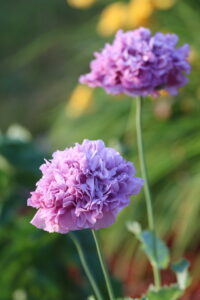
These hardy annuals also do well when sown in the winter:
Though it may seem counterintuitive, there are many benefits to sowing seeds in the winter.
1. Earlier blooms
Winter sowing gives your seeds a head start on their growing season, meaning you get to enjoy earlier blooms!
2. Low-maintenance
Starting seeds in winter is incredibly low-maintenance. Once you set up your winter-sowing system and plant your seeds, you don’t have to do anything until the seeds come up in the spring! This saves you the time and energy you would put into planting and caring for these seedlings indoors.
3. Save space and resources
All gardeners who start seeds indoors have limitations on space and supplies, and have to cull crops and varieties they simply don’t have the space for. By starting some seeds in the winter, you free up valuable indoor real estate for even more varieties in spring!

4. Climate acclimation
By starting some varieties in winter, you introduce those seeds to your region’s climate. This helps those seeds acclimate to the cool weather conditions in your region. The seeds saved in the fall from these varieties will be hardier and more adapted to your specific region’s climate.
5. Better germination
Cold-hardy annuals and perennials benefit from a period of cold stratification, or exposure to cool and damp conditions. This process helps to break dormancy in seeds, leading to improved germination rates.
Cold stratification is a way of breaking dormancy in seeds that benefit from a period of cold and moist conditions before germinating. Many perennial seeds experience a natural freeze-thaw cycle—as temperatures cool the seeds become dormant, “waking up” in spring when the time is right.
In nature, this mechanism keeps the seeds from sprouting at the end of the growing season and then failing to mature and make new seed before winter begins.
While cold stratification may help hardy annuals and perennials get a head start, it is by no means required for successful germination!
Note: The majority of garden crops do not need nor benefit from cold stratification.
When a gardener should start seeds depends on their climate. For most cool climates, January to February is the ideal time to winter sow seeds.
Winter sowing is easy! Just sow hardy perennials in recycled milk or water jugs, place the jugs outside, and let nature work its magic.
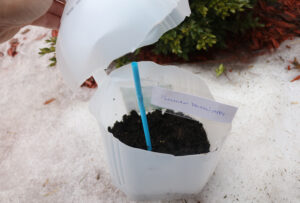
Use a clear, one-gallon milk or water jug; cut across the width of the jug where the handle is so that the bottom becomes a tray. (Leave the handle intact to act as a hinge to open and close the jug.)
Punch drainage holes in the bottom of the jug to promote drainage and in the top to promote ventilation. Keep the plastic cap on the jug for now.
Add 2-3 inches of potting soil to the bottom, moisten (soil should hold its shape when squeezed but not drip), and sow seeds to the depth recommended on the seed packet. Optional: Add a layer of vermiculite on top of the soil to help conserve moisture.
Don’t forget to add a label inside with the flower type and variety name!
Tape the lid of the jug to the bottom, all the way around, with duct tape. Put the jug outside, making sure it’s in the sun but sheltered from the wind.
Once the seeds germinate, remove the plastic cap from the jug to allow rain to enter.
As seedlings grow, open the jug’s top and gently check the soil. If it’s dry, moisten gently and close the top. As the days get warmer, open the top during the day and close it at night.
Transplant seedlings before their leaves start to touch the sides and/or top of the container.
*tips excerpted from almanac.com
Even hotter regions with very mild winters can replicate the natural freeze-thaw cycles of hardy seeds. This refrigerator method allows gardeners in warm climates to reap the benefits of sowing flower seeds in winter. Gardeners using this method should start this process 4-12 weeks before they would normally sow the seeds.

In 2025, we cold-stratified butterflyweed seeds on February 21. On April 4, we planted the stratified butterflyweed seeds alongside some that were not stratified. These two photos, both taken April 23, show that the butterflyweed seeds that underwent cold stratification generally developed faster than those that did not.


Jan Suchomel of Van Horne, Iowa, discovered this poppy growing in the backyard garden when she moved to Van Horne from Cedar Rapids in 1967 and proceeded, over the next three decades, to give its seeds to all her family members. She was so taken with the flower that she even planted some of its seeds at the senior complex she moved to in 2003 so that she could continue to enjoy its colorful blooms.
Get ‘Lavender Double’ poppy seeds here.

NEW for 2026: Seed Savers Exchange received this gorgeous, easy-to-grow flower circa 2004 and suspects it is the same variety that Sandra Cumming of Alberta, Canada, wrote about in the 1982 Yearbook: “This summer I hope to obtain poppies from a nearby Hutterite colony that have been handed down for many years and grown extensively each year for seeds … to bake an excellent poppy-seed cake.”
Get ‘Hutterite Breadseed’ poppy seeds here.

For those who cannot stand to just have one color of Bachelor’s Buttons! Plants will bloom throughout the season, great for mass plantings. Extensive range of colors. Long stems are excellent for cutting.
Get Mixed Bachelor’s Buttons seeds here.

(aka Flowering Tobacco) Showy waves of trumpet-shaped 3″ flowers. “Perfect Mix” of fuchsia, white, purple, salmon, lavender, rust, and bronze flowers. Developed at The Institute of Vegetable Breeding and Seed Production, west of Moscow.

Great conversation piece in any garden. Interesting spikes of green bell-shaped calyces surrounding the insignificant white flowers, quite fragrant. Excellent for cutting; color and shape are preserved nicely when dried. Prefers cool growing seasons.
Get bells of Ireland seeds here.

Robust, scented flowers in an abundance of colors hearken back to old-fashioned annual cutting gardens. The undeniable vintage charm of this semi-dwarf snapdragon, which grows from 18-24″ high, enlivens garden beds and borders, as well as bouquets.
Get ‘Tetra Mix’ snapdragon seeds here.

One of the earliest-blooming cosmos mixtures, this annual is a great choice for northern gardeners. An All-American Selections winner in 1936, this longtime garden favorite produces large, sturdy plants adorned with beautiful, ferny foliage and flowers in a wide mixture of colors, from white and pink to cerise. An excellent cut flower.
Get ‘Sensation Mix’ cosmos seeds here.

The spectacular colors and the array of petal formations in this flower mix make it a great choice for borders and mass plantings. This annual’s edible flowers—the petals are tangy and sweet—are also good for cutting and arranging. This European native has been used for thousands of years in creams to soothe irritated skin and resolve other inflammatory problems.
Keep Exploring
When you make a purchase from Seed Savers Exchange, you help fulfill our nonprofit mission to protect our food and garden heritage. Do even more good by making a donation to help us preserve and share even more heirloom varieties!