



Gardening in the Pacific Northwest
The Pacific Northwest is home to a wide range in climates, from mild coastal regions, to cool and rainy mountains, and hot and dry inland valleys.
The Pacific Northwest is home to a wide range in climates, from mild coastal regions, to cool and rainy mountains, and hot and dry inland valleys.
The Pacific Northwest is home to a diverse range of climates due to the mountainous topography and proximity to the coast.
Maritime regions are marked by cool summers and mild, rainy winters with relatively little variation in temperature from season to season. Regions east of the mountains experience considerably hotter summers and colder winters, with very little rain year-round. The mountains experience colder summer and winter temperatures than the coast and capture most of the rain that would otherwise fall to the east, receiving the most precipitation out of any of the Pacific Northwest climates.
These unique conditions present challenges to gardeners.
Maritime and mountain gardeners may struggle with heavy soil, heavy rains, cool temperatures, and diseases facilitated by high moisture. Gardeners in the east struggle with extreme summer temperatures in and cold summers, with droughts all year long. Northern gardeners in southeast Alaska and coastal British Columbia encounter cool temperatures year-round and heavy precipitation in the fall and early winter.
The Pacific Northwest includes Oregon, Washington, the Idaho panhandle, British Columbia, and parts of northern California, and southeast Alaska
The Pacific Northwest is home to a diverse range of climates. The characteristics of microclimates can vary widely, but generally the Pacific Northwest can be divided into four main regions:
Coastal/maritime regions, west of the Cascade mountain range tend to be pretty mild in temperature, both in summer and winter.
The coast experiences cool, moist, and long springs. The spring season typically starts in late-February and ends in May or June, often reaching temperatures of around 50-60 degrees in the day and 40-45 degrees at night.
The long transition between winter and summer can cause last frost dates to be a little unpredictable. In order to figure out when to plant, focus on soil temperature. The soil warms slowly, so waiting until a little later in the season to plant crops might be the best idea.
Summer is the warmest and driest time of the year. Summers temperatures are mild, with daily highs averaging in the mid-70s degrees F and nights averaging in the mid-50s. Sometimes hot spells with 90-100 degree days can occur. Summers are usually pretty dry, with little to no rain.
Fall brings slightly cooler temperatures (55-70 degree days and 45 degree nights), gentle rains, and high humidity.
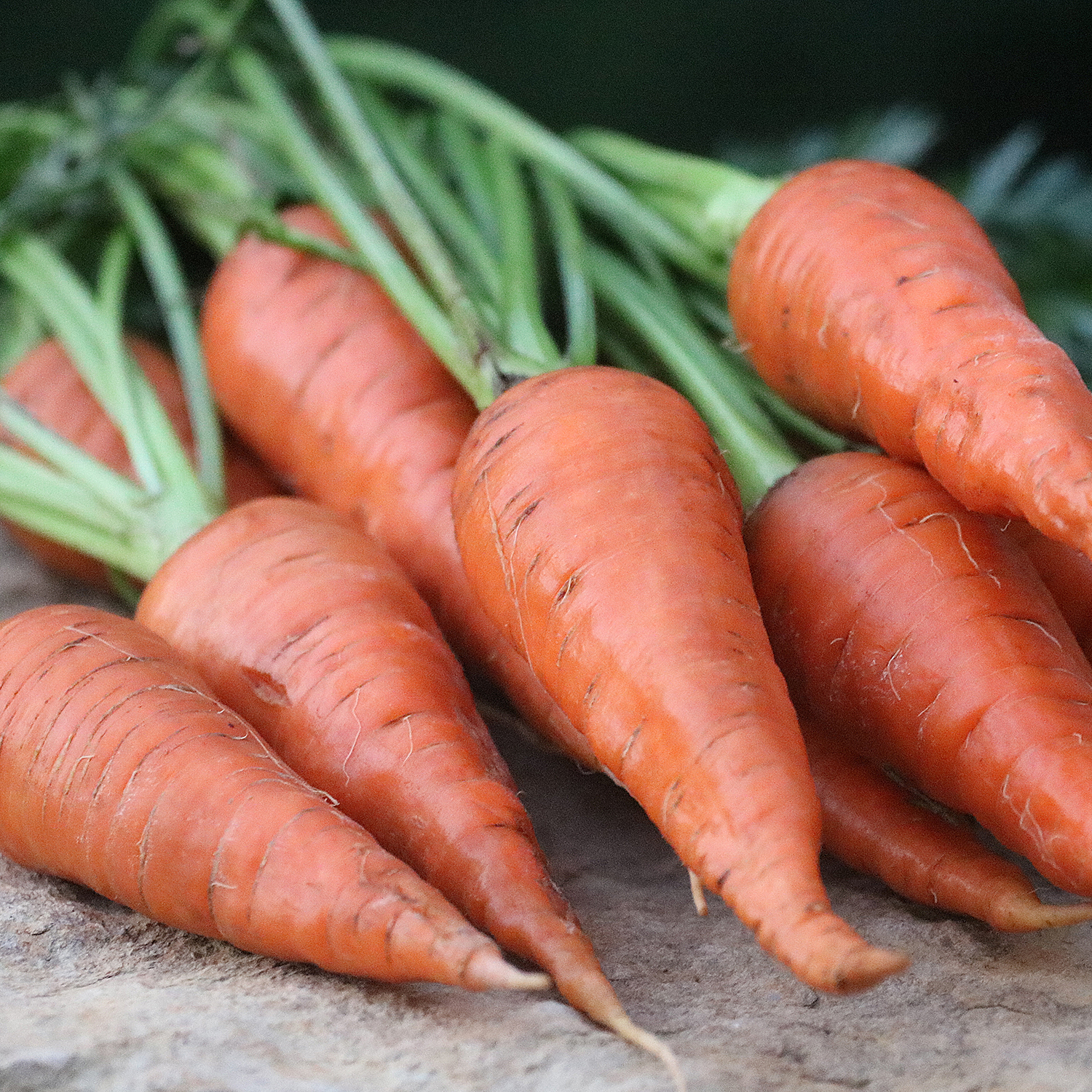
Winters are rainy and mild, with 40-50 degree days and 25-40 degree nights, with the occasional deep freeze. These temperatures are mild enough to allow for year-round harvesting of cool-weather crops, such as carrots, broccoli, and leafy greens, and in-ground overwintering of biennial crops.
The higher elevation in the mountains keeps temperatures cooler than the maritime and inland regions. The summers are warmest, but frosts can still happen. Cool season vegetables do well, but need to be able to survive cold nights. With cooler temperatures, heat-loving crops, such as tomatoes and peppers, and long-season crops, such as winter squash, can be a challenge to grow.
Tip: Some crops actually taste sweeter after a light frost. Plant Brussels sprouts, kale, carrots, beets, and spinach.
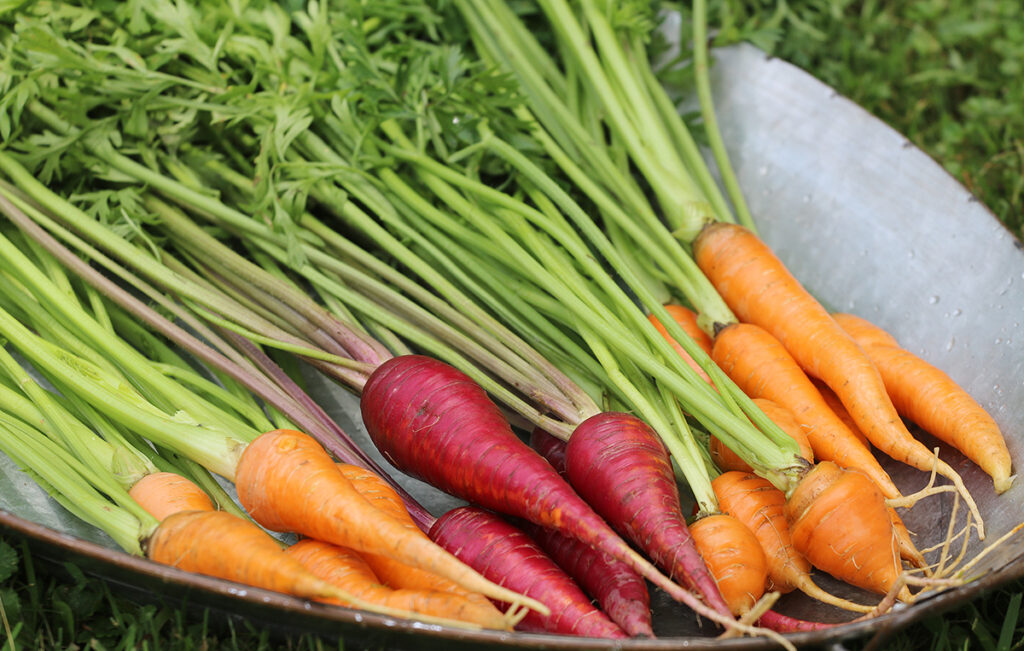
Winters in the mountains are generally colder than winters in lower elevations. However, winters bring far more precipitation (including snow) to the mountains than lower elevation areas. Snow acts as a soil insulator, making it easy to overwinter crops through the winter, especially in the event of a cold snap.
In contrast to the mild temperatures of the coast, temperatures east of the Cascades tend to be much hotter during the summer and also colder during the winter. This region is pretty dry year-round, receiving consistent sun and minimal rain. The Cascade mountains catch most of the rain that would otherwise fall in the east, creating a rain shadow over these regions.
Summers are hot, dry, and sunny, with temperatures often in the upper 80s to mid-90s, and sometimes reaching over 100 degrees F. Night temperatures drop to 50s/60s.
Winters in the east are colder than winters in the coastal regions, with highs in the 30s to low 40s, and nights in the 20s or even colder (even down to 0). Winters can also bring significant wind chill and tend to receive more rain than summers.
The Pacific Northwest region extends upwards along the coast of British Columbia and into southeastern Alaska. This region is temperate, cloudy, and rainy, with little variability in temperature. Mountain topography can create wide differences between microclimates in this region, affecting sunlight and rain.
Spring is the driest and least cloudy season. Summer is the warmest season, experiencing daily highs around 60 degrees F, but can range from mid-50s to mid-70s with lows in the 40s. In the summer, this region experiences very long days, and therefore lots of sun. Summers can also be pretty humid.
The growing season in Southeast Alaska is pretty short, especially for annuals, so start annuals indoors. Season extenders such as plastic tunnels and row cover can help protect crops from cold weather and late/early frosts. Learn how to extend the growing season.

Fall is generally the wettest time of year, and this region is prone to flooding and damaging winds. Growing in containers can help with soil warmth and drainage. Winters in southeast Alaska are snowy, with high winds. During the winter, temperatures typically reach 30-40 degrees during the day, and hover around freezing. Winters bring very little daylight.
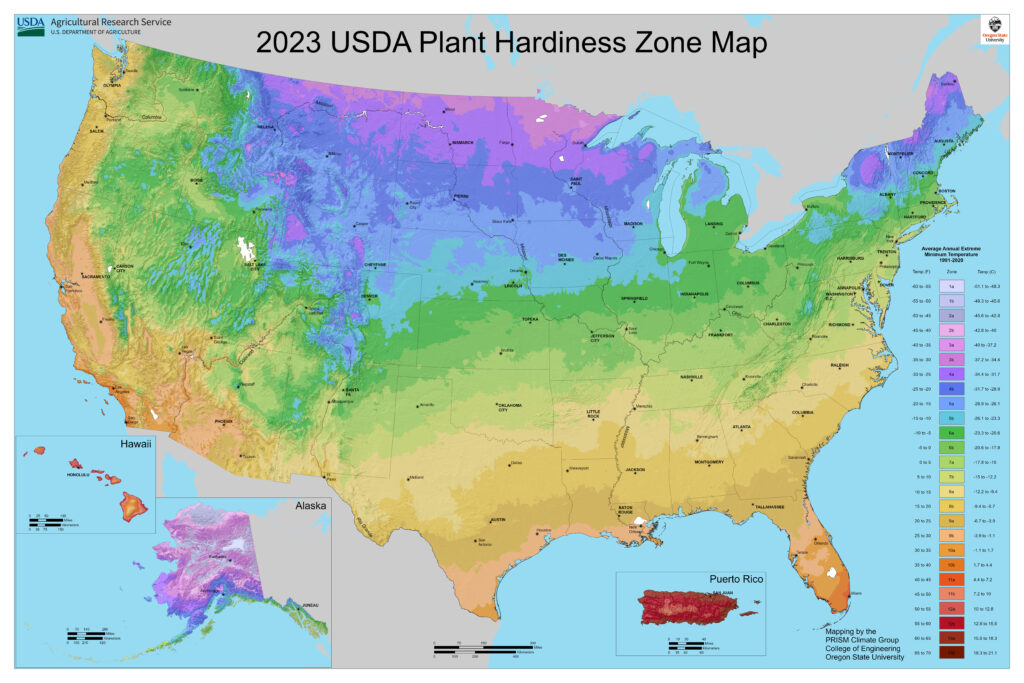
The Pacific Northwest is home to a wide range of growing zones. Maritime regions are typically in zones 8a-9a, with eastern regions between 6a and 7b. High altitude and far eastern areas can be anywhere from 6a to 4b, and even to extremes of 4a to 3a.
The far northern reaches of California may experience similar weather conditions to the rest of the Pacific Northwest, but can be in zones anywhere between 6a to 9b, depending on elevation and proximity to the coast.
The USDA’s Plant Hardiness Zone Map divides the United States into zones according to the “average annual extreme minimal temperature.” Knowing your plant hardiness zone will help you choose crops that will thrive in your location. Your growing zone is especially helpful when growing and saving seeds from biennials (more on that later).
You can find out which plant hardiness zone you garden in here.
Growing Zone Maps
The Pacific Northwest is a unique region, and plant hardiness zones often don’t correlate well with the first and last frost dates of other regions in the same zone. For example, Forks, Washington (coastal) and Austin, Texas share similar plant hardiness zones (8b-9a), but have wildly different last frost dates (April 26 in Forks and February 20 in Austin). For this reason, gardeners should use their first and last frost dates to determine the length of their growing season and which crops to grow.

Your first and last frost dates help determine the length of your gardening season. These dates are especially helpful when growing and saving seeds from annuals. Use your last frost date to determine when to start seeds and plant out transplants. Use your first frost date to determine the length of your growing season and which crops will have the time necessary to fully mature in your region. The hottest regions may not experience a frost at all.
Click here to find your first and last frost dates by city/state or by zip code.
Another cool tool is this interactive map of last spring frost dates across the United States.
The mild temperatures in the Pacific Northwest allow for a long planting season.
March/April
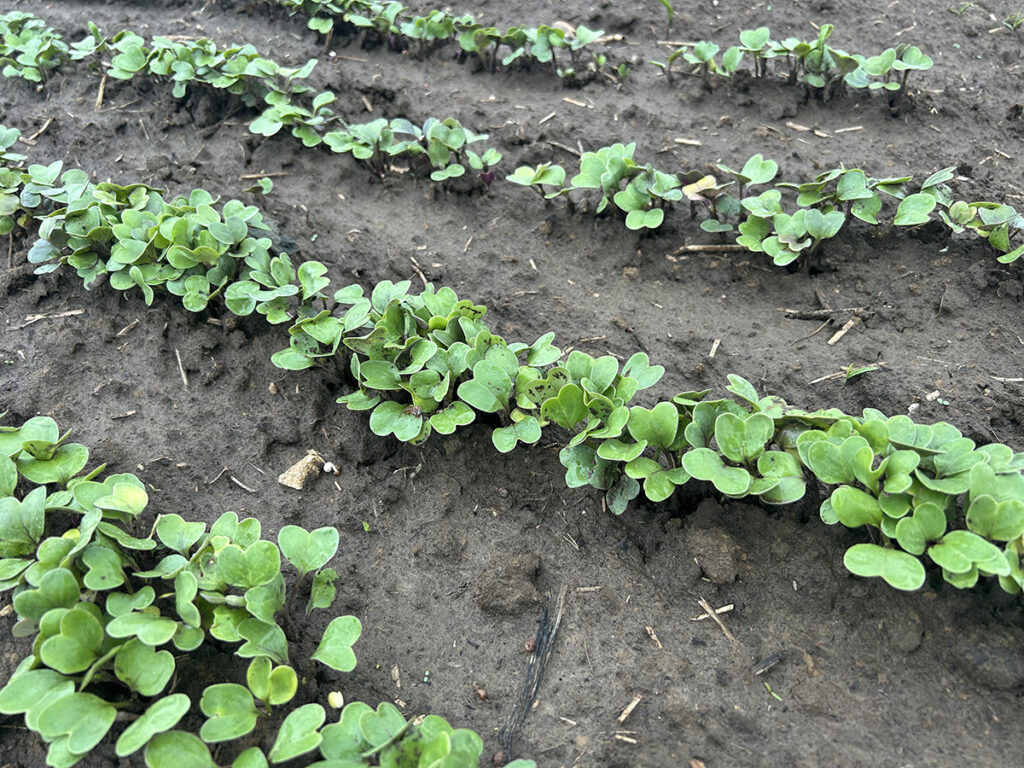
In March and April, most areas can sow cool-season crops, such as lettuce, mustard greens, and radishes, outdoors. Cool-season crops can also be sown indoors as transplants as early as January or February, depending on the crop. Long-season crops, such as tomatoes and peppers, can be started indoors as transplants.
May
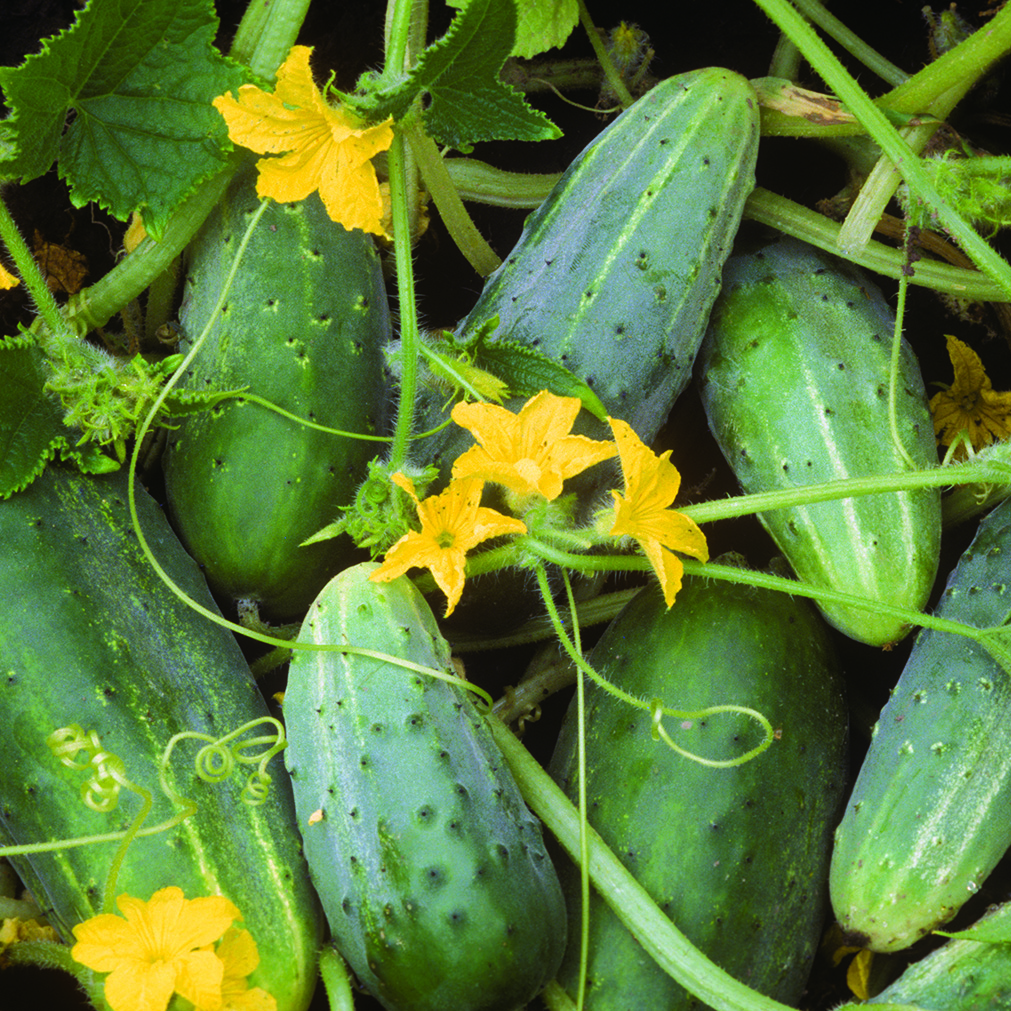
In May, seed warm-season crops, such as beans, cucumbers, and squash, outdoors. Transplant heat-loving crops and make sure that everything is in the ground by June 1.
July/August
In July and August, seed herbaceous perennial flowers outdoors and sow fall cool-season crops indoors.
September/October
In September and October, sow biennial seed crops and cool-season crops for winter harvests. Many cool-season greens, such as spinach, can handle a frost, but be sure to only harvest once the leaves are thawed. Root crops can generally be harvested as long as the soil is still workable.
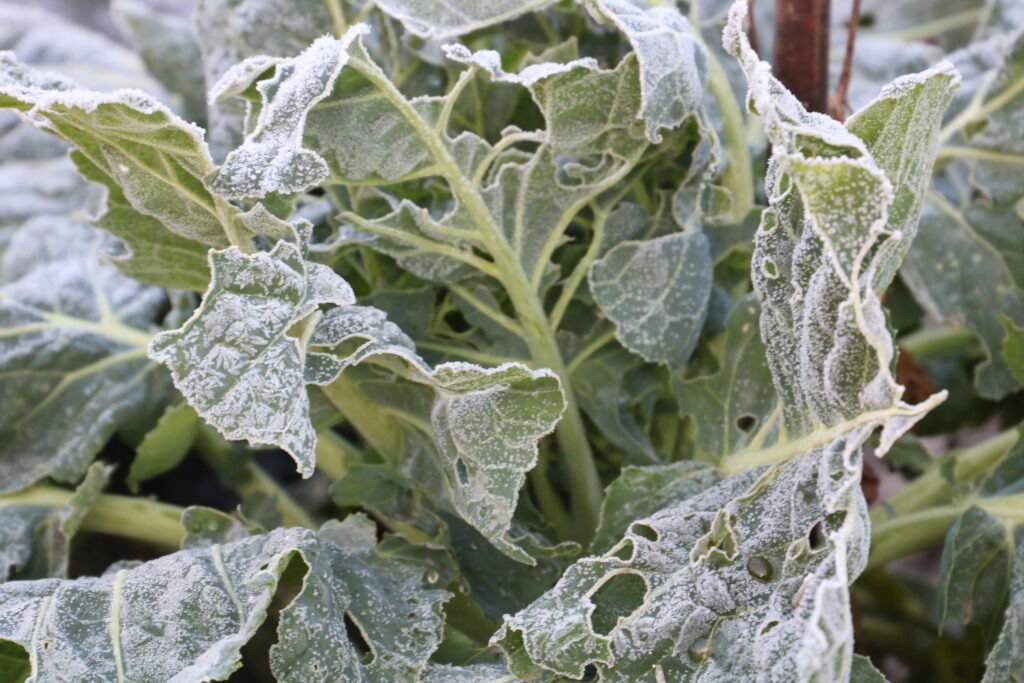
The Pacific Northwest can experience some extreme weather events, such as wildfires, flooding, storms, and earthquakes.
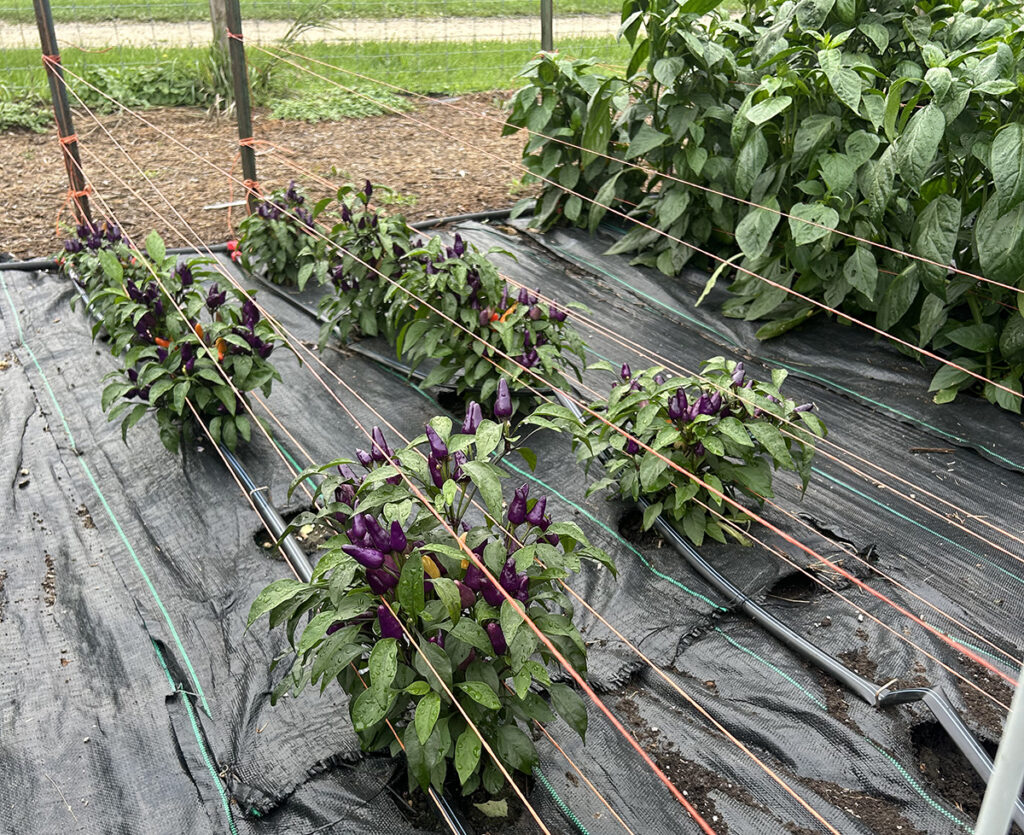
Learn how to build several different types of trellises.
Summer months receive the least amount of rainfall, with eastern regions receiving very little rainfall at all.
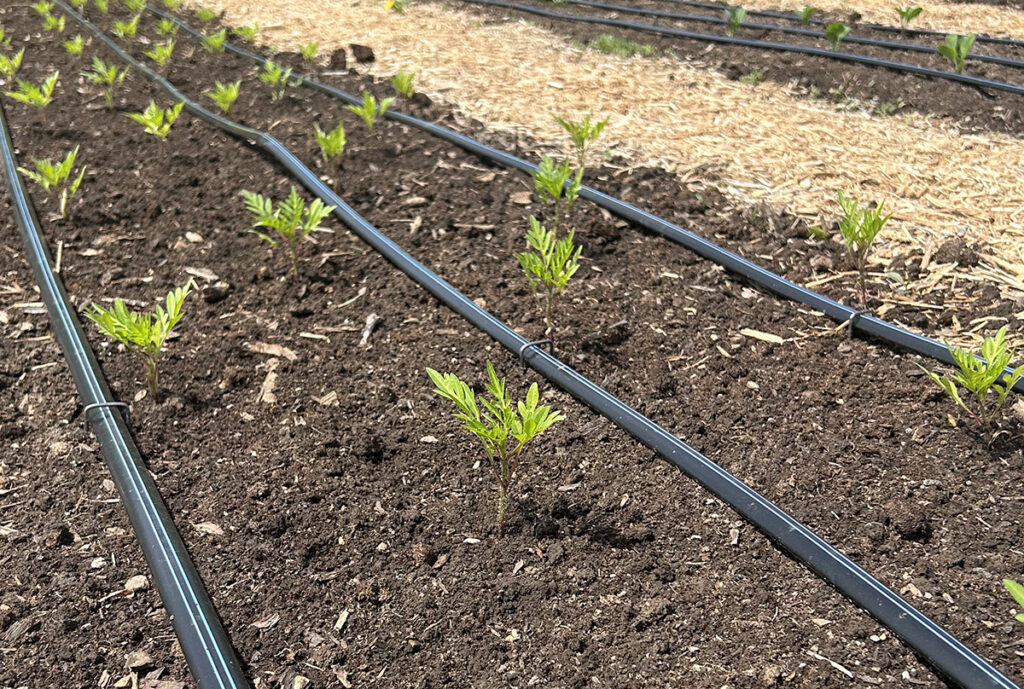
Learn more about gardening in a drought
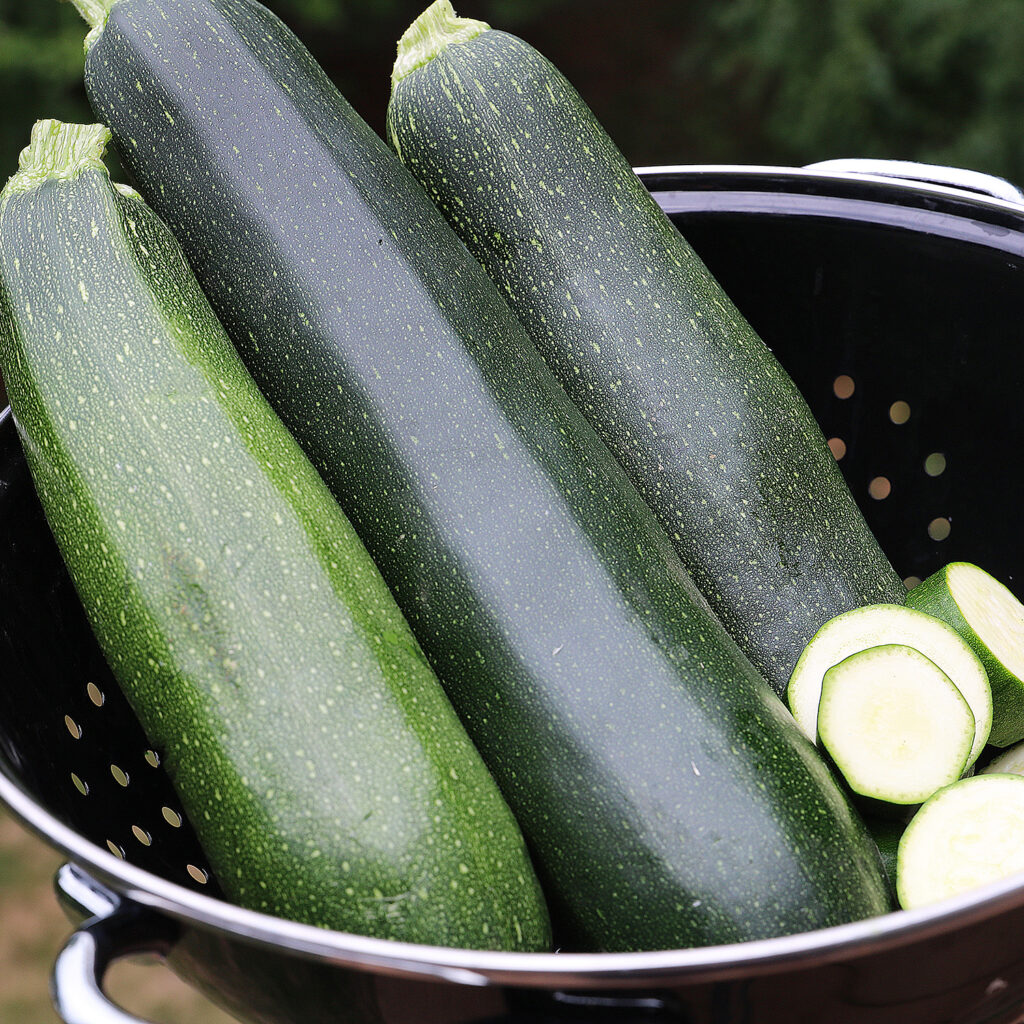
Wet conditions in the fall-spring can facilitate disease.
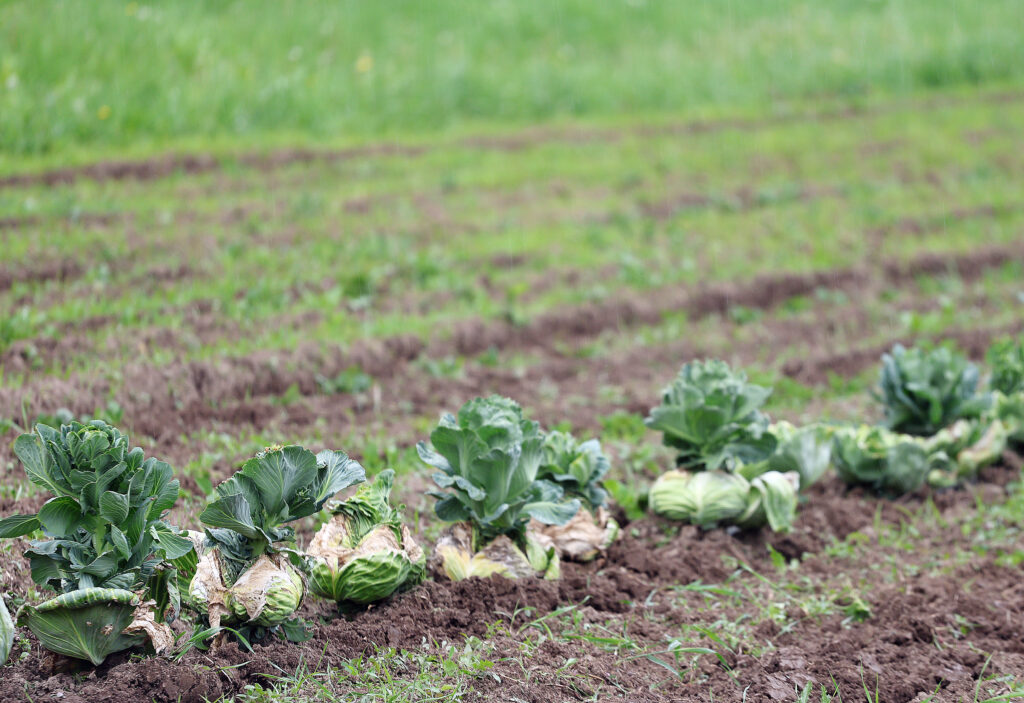
Windstorms in fall and winter can knock down tall plants, especially top-heavy crops like cabbages. The weight of snow can also damage plants.
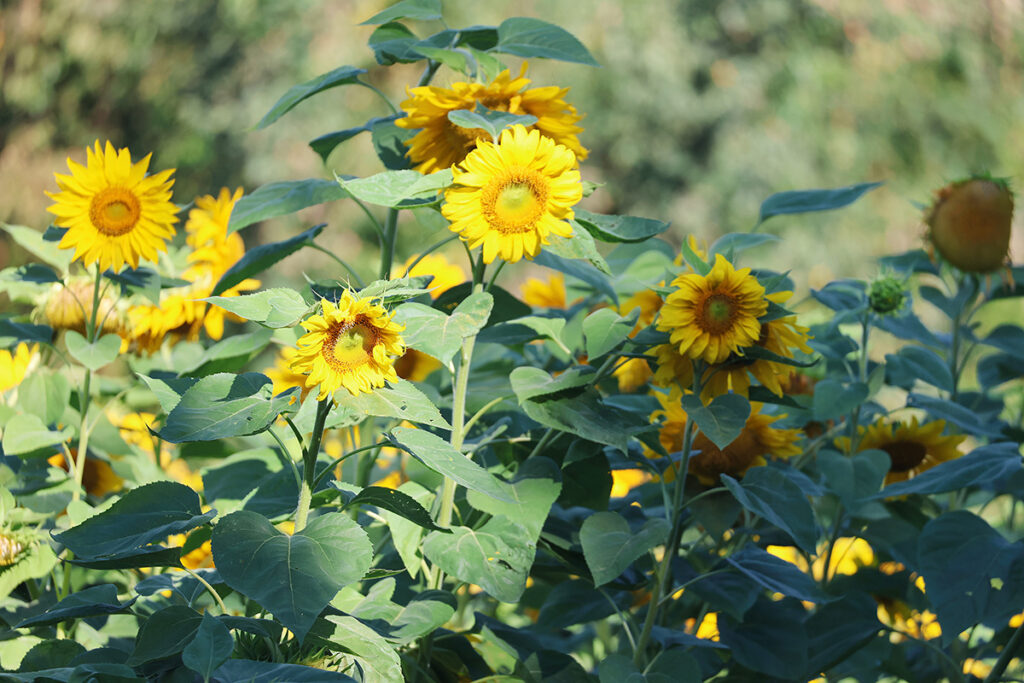
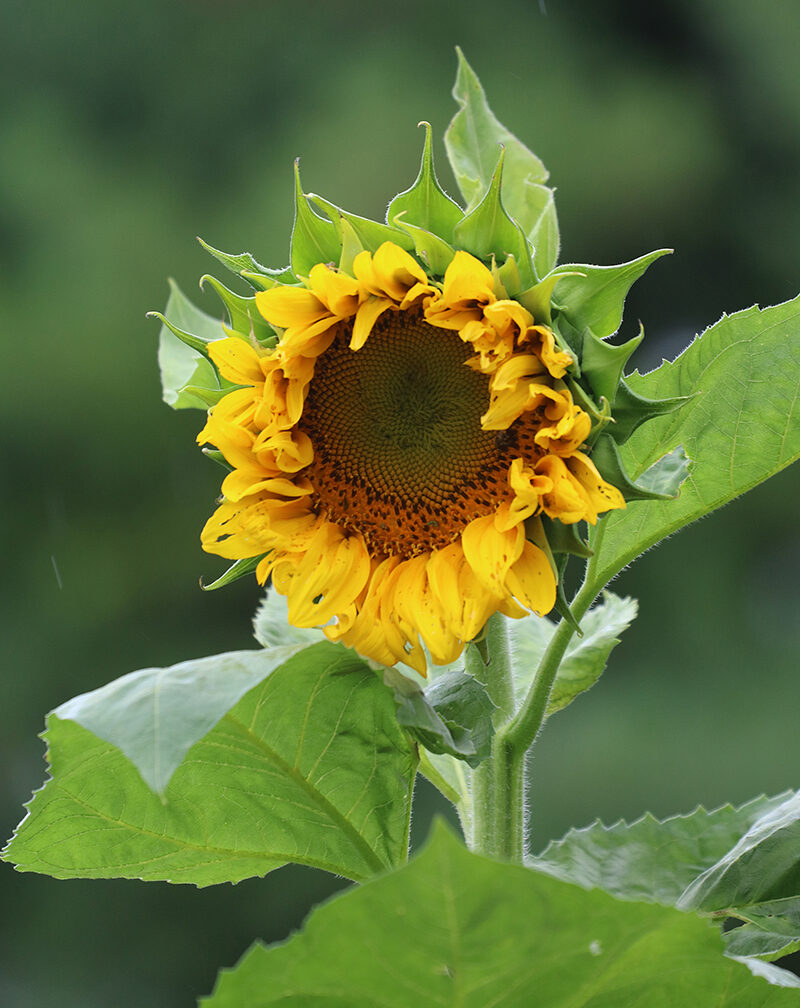
Tip: Sunflowers can make great windbreaks! Large sunflower varieties have thick, sturdy stems that can shield delicate plants from damaging winds. Sunflower stalks can also act as natural trellises for vining crops, such as beans. We recommend ‘Titan’ and ‘Tarahumara’ for their size, sturdiness, and ability to tolerate poor conditions.
The mild climate of the Pacific Northwest is ideal for seed saving.
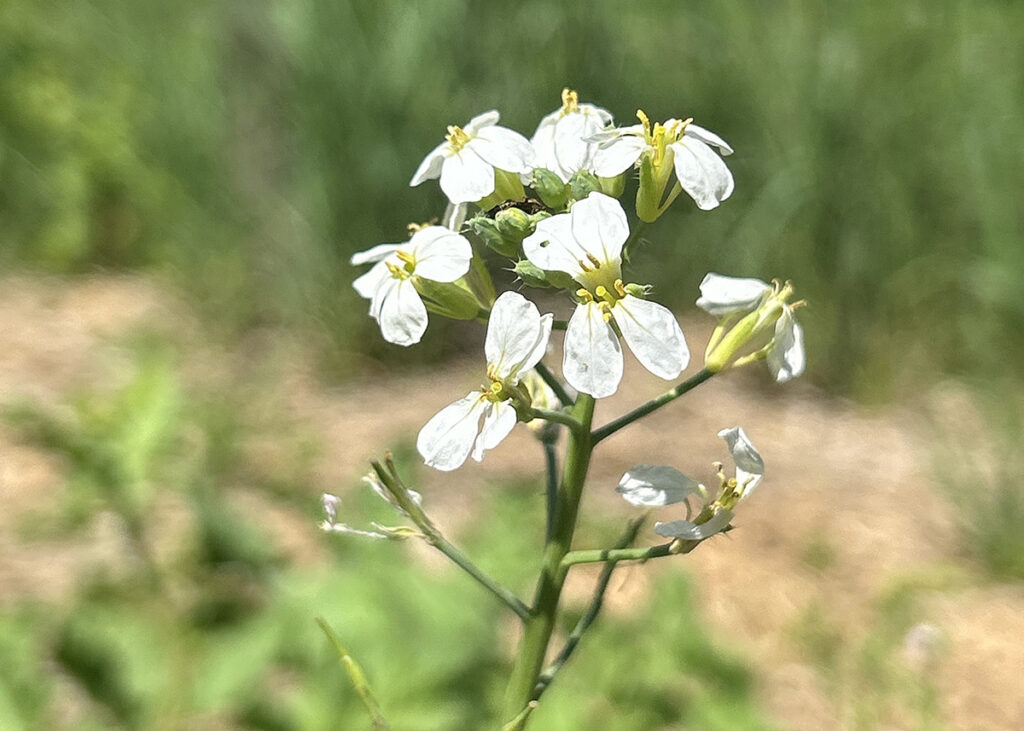
Cool-season annuals, such as lettuce, spinach, and radishes, thrive throughout the region, especially in areas with mild summers. In warmer areas, transplant cool-season crops early in the season to produce seeds before the heat of the summer.
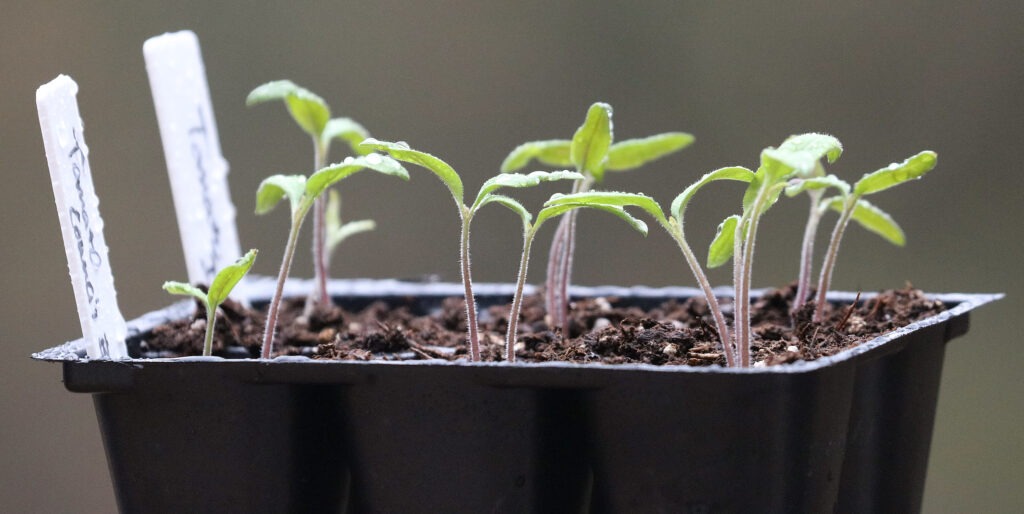
Heat-loving annuals, such as tomatoes and peppers, need a long growing season in order to fully mature. In areas in the Pacific Northwest with mild summers, growth of these crops can slow. Make sure to plant these crops early enough in the season to reach maturity before the first frost in the fall. For tomatoes, eggplants, and peppers, starting seeds indoors is absolutely necessary.
The seeds of dry-fruited crops, such as beans and flowers, are mature once they dry completely in the field. This can pose a challenge for areas in the Pacific Northwest with a wet and humid fall season. It’s important to try and keep the seeds as dry as possible as they mature.
Be sure to plant dry-fruited crops early enough to mature completely before the wet season. In the fall, plastic tunnels and tarps can help shield seeds on rainy days. Be sure to remove coverings on dry, sunny days. Take advantage of dry days with less than 50% humidity for harvesting seeds.
Watch this video to see how we used a tarp to protect seeds from frequent rains at Heritage Farm.
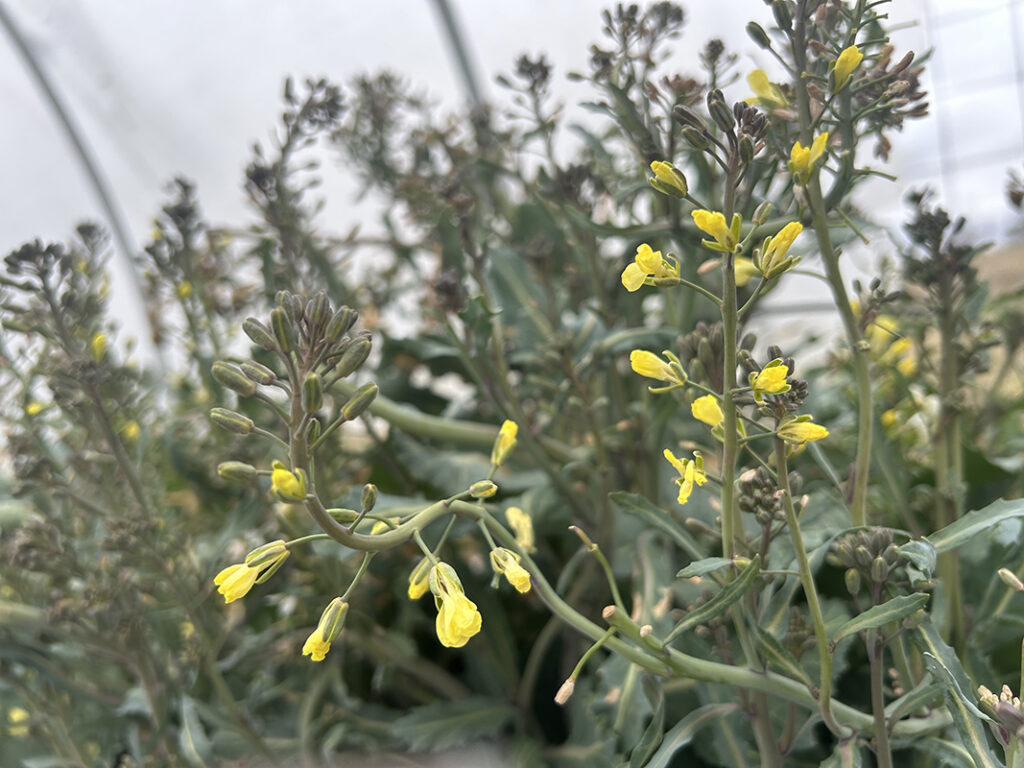
Biennials are crops that require two seasons of growth to produce seeds. Typically, gardeners plant biennial crops, such as carrots, beets, and cabbage, in late summer or fall and allow them to overwinter until spring, when they resume growth and flower.
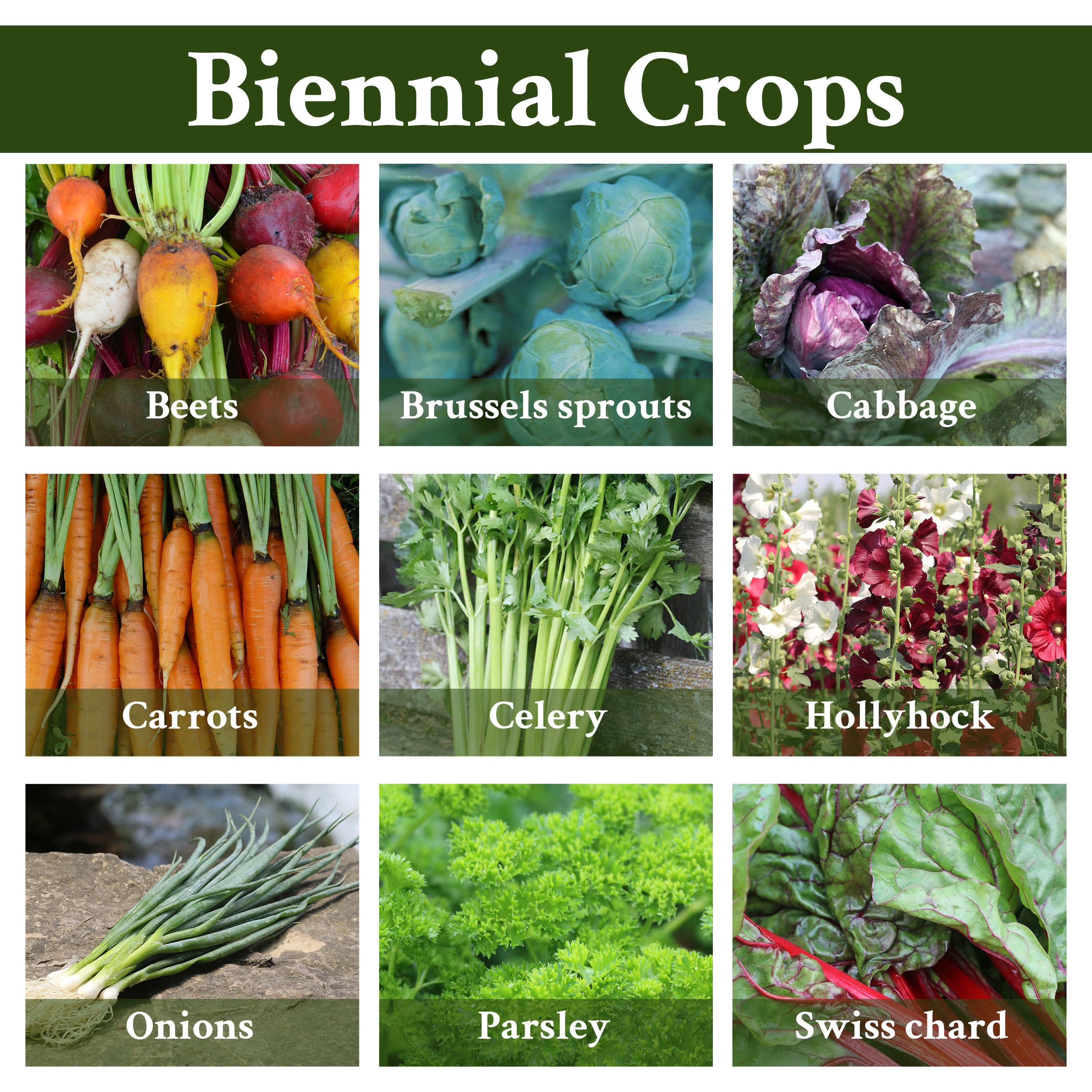
To produce seeds, biennials must undergo vernalization, a prolonged period of exposure to colder temperatures. In general, biennial crops need 10-12 weeks of exposure to temperatures around 50 degrees F, without regular temperatures below 35 degrees F.
The winters in all regions of the Pacific Northwest are ideal for vernalizing biennials. In mild areas, biennial crops can be overwintered with minimal protection. Start biennial crops in July and August, especially if you want to select plants for certain traits, such as productivity, and cull plants with undesirable traits.
If you aren’t going to cull plants in the fall, you can start biennials a little later, in September or October. Keep in mind that plants in the “pre-teen” stage of growth are more cold-hardy than full-size plants and will overwinter more successfully.
In regions with cooler winters, use plastic tunnels, mulch, or row covers to help conserve heat. Gardeners in the northern reaches of British Columbia and southeast Alaska can often overwinter biennials in the field with protection, but may need to store biennials indoors if temperatures are consistently below 20 degrees F.
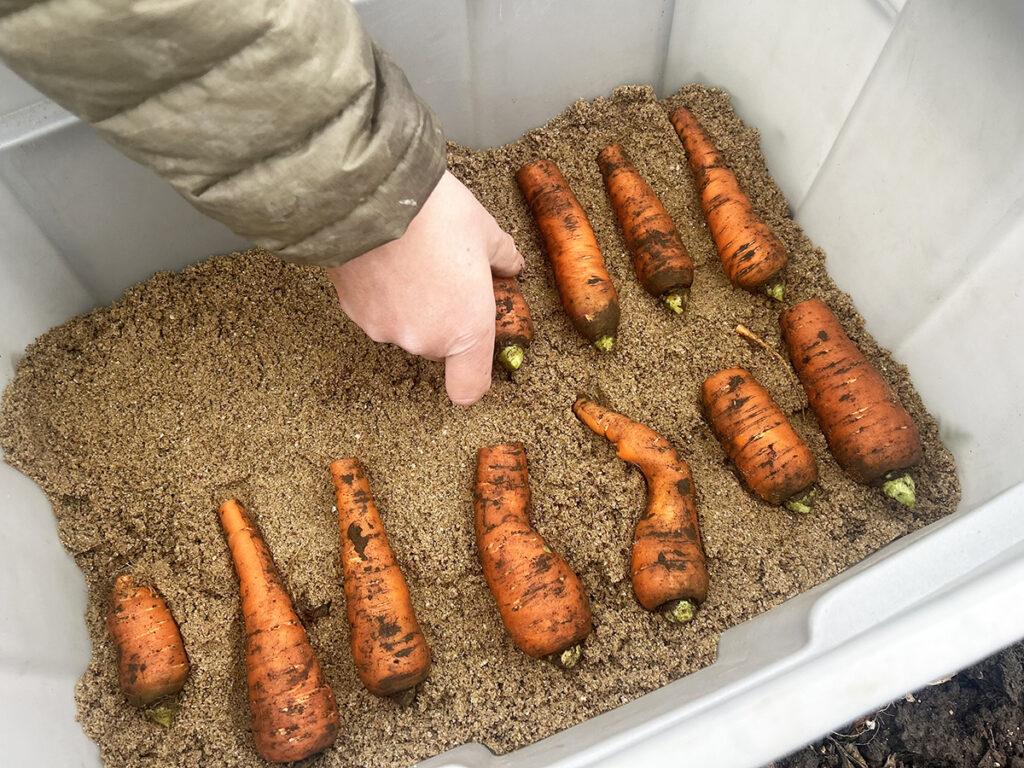
In very mild areas where winter temperatures regularly exceed 50 degrees F, saving seed from biennial crops may not be possible.
Recommended Varieties

Germinates in cooler soil, adapts to diverse climate conditions, and is disease-resistant.
Shop Seeds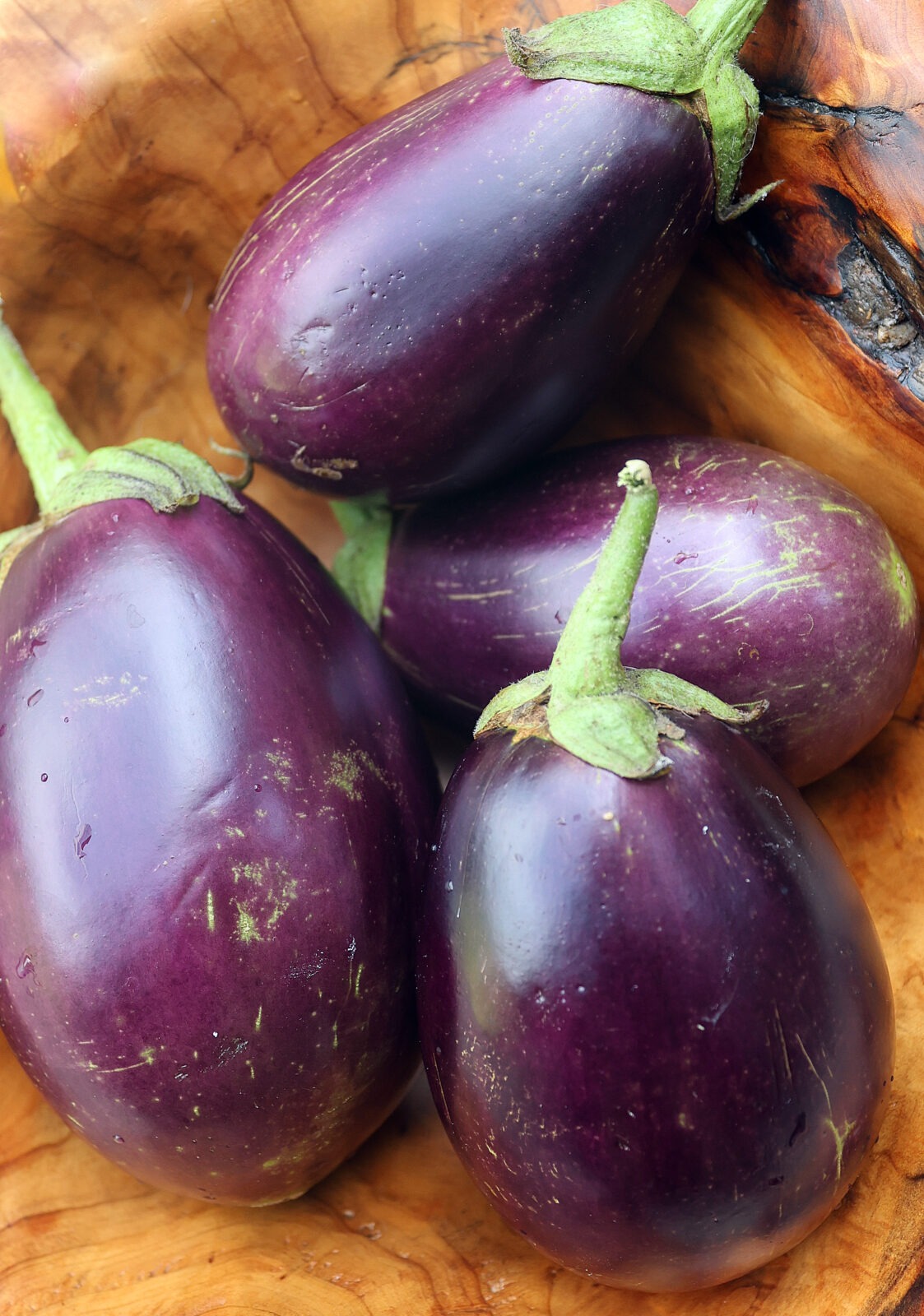
Early, productive, and hardy—has survived floods, droughts, and frosts.
Shop Here