Keep Exploring
Learn more about gardening in the fall! Check out these articles for planting a fall garden and preparing your garden for the winter ahead.

Written by Mike Bollinger, Seed Savers Exchange executive director
Achieving success with fall gardens, succession plants, and cold-hardy crops is easier than you may think. As someone who has spent nearly two decades growing vegetables in places like Maine, Illinois, and Iowa, I’ve always found the edges of the growing season—the early spring and late fall—especially exciting.

Long before “season extension” became a popular phrase, I was learning from some of the best—farming mentors like Eliot Coleman and Barbara Damrosch—who showed that with careful planning and simple tools, you could harvest fresh, vibrant crops nearly year-round, even in cold climates. The rewards are often the sweetest: crisp fall lettuces, carrots that have turned sugary after a hard frost, and the welcome sight of overwintered spinach peeking through the mulch come spring.
Many home gardeners are eager to extend harvests, but not necessarily interested in building high tunnels or investing in commercial-scale infrastructure. The good news is, you don’t need to. With succession planting, smart crop choices, and a few simple tools like floating row covers, it’s possible to dramatically stretch your garden harvest well into, and sometimes through, the coldest months of the year.

Fall succession planting begins with understanding timing. In spring, succession planting often means sowing crops like lettuce every two weeks to ensure a continuous harvest. In fall, it’s about working backward—timing your plantings so crops mature just as cooler weather sets in.
You start by determining your local average first frost date—around October 10 in Decorah, Iowa (Zone 4b/5a)—and then adjust your planting dates accordingly. If you are direct seeding, you’ll want to add about 10–14 extra days to the “days to maturity” listed on your seed packets, accounting for the slower growth that naturally occurs with shorter, cooler days.
Transplanting offers another layer of flexibility. By starting crops indoors and transplanting seedlings into the garden, you can shave two to three weeks off the outdoor growing timeline. For example, direct-seeded spinach would need to be sown in early September to mature harvestable size, but transplanted spinach could go in mid-September and still offer a quality harvest. This strategy is particularly useful for crops with longer maturity periods. Timing may vary depending on where you garden, but the principle holds true across growing zones.
Learn more about planning a fall garden
Choosing the right crops for fall gardening is equally important. Some vegetables don’t just survive frost—they thrive in it.

As temperatures drop, many plants respond by converting starches into sugars, resulting in sweeter, more flavorful harvests. Crops like Brussels sprouts, carrots, kale, and spinach often taste better after a hard frost. Cold-hardy greens like arugula and tatsoi can shrug off temperatures that would flatten less resilient varieties. Herbs like parsley and cilantro continue producing well into the chill, offering a burst of flavor when fresh ingredients become scarce.
The Master Fall and Winter Garden Crop Guide lays out a range of cold-hardy vegetables, greens, and herbs, including their cold tolerance, ideal planting times, sowing methods, and helpful growing notes.
For example, carrots can tolerate temperatures down to around 20°F and, with heavy mulch, can stay in the ground well after the first hard freezes. Similarly, crops like leeks, parsnips, and beets hold beautifully in cold soil if protected with a thick layer of straw or leaves.
Greens like spinach and mâche may look wilted or frozen first thing in the morning, but as soon as daytime temperatures rise above freezing, they thaw and become perfectly harvestable again—a natural kind of cold storage.

Learn more about selecting fall crops
Simple tools like floating row covers can extend your growing season even further. Floating row covers come in varying thicknesses, offering different degrees of frost protection.
Lightweight covers provide a few degrees of protection and are excellent for shielding crops from insects and mild frosts. Mediumweight covers typically offer about 4–6°F of protection, while heavyweight covers can add as much as 6–8°F of buffering against the cold.
More importantly, floating row covers don’t just shield plants from freezing temperatures—they also protect from drying winds, sudden downpours, hail, and even grazing deer.

Using floating row covers is simple: lay the fabric directly over the plants and secure the edges with soil, rocks, or landscape staples. For more delicate crops like lettuces, using hoops to create a low tunnel can prevent fabric abrasion and allow for better airflow.
Half-inch metal conduit bent into hoops works well for this, but easy-to-cut 9-gauge wire is also a great option. Both materials are sturdy and can be shaped into low tunnels to support a covering of your choice.
Like row cover, cold frames can be used to prolong the growing season by raising the soil temperatures in the cooler seasons and shielding crops from the elements, especially wind.
How to build a simple cold frame:

Culinary herbs are often overlooked when planning a fall garden, but they can add incredible value to the late-season harvest. Parsley can survive multiple light freezes and continues producing well into fall. Chives, while they die back after a hard frost, regrow vigorously at the first hint of spring. Hardy perennials like thyme, sage, and oregano withstand cold weather beautifully and can be harvested fresh well into the late season. Fall is also an excellent time to dry or preserve herbs,
ensuring a taste of the garden even in the depths of winter.
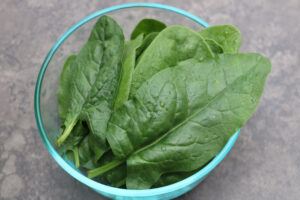
One of my favorite tricks for extending the garden season is to plant spinach in the fall early enough that the seedlings have time to establish before winter sets in. Rather than waiting for seeds to lie dormant and germinate in spring, I aim for small, sturdy baby plants that can overwinter in place.
A heavy layer of straw mulch protects these young plants through the coldest months, and when spring temperatures begin to rise, they leap back into growth—often producing the sweetest, most tender spinach leaves of the year, weeks ahead of traditional spring sowings.

Garlic follows a similar rhythm: planted in mid- to late October, it quietly establishes roots before winter, then bursts into growth as soon as the ground warms, rewarding your patience with a rich, flavorful summer harvest.
Learn more about growing garlic
Fall gardening invites a shift in perspective. It asks us to trust in slower
growth, to look beneath the surface, and to find possibilities where others might see an ending. There’s a particular satisfaction in stepping outside on a crisp fall morning to harvest fresh carrots, leeks, or tender greens, even as the rest of the landscape begins its long retreat into winter. Every seed, and every season, carries its own potential—and fall gardens are a powerful reminder that there’s always more growing left to do.
Keep Exploring
Learn more about gardening in the fall! Check out these articles for planting a fall garden and preparing your garden for the winter ahead.