For many gardeners, the gardening season dies down in the summer after the spring rush of seed starting and transplanting. However, gardeners can plant many things from July to September for a fall garden with harvests all the way up to winter, especially with changing climates. In fact, fall might just be the most underrated season for gardening!
Planting a fall garden prolongs the growing season and allows you to reap more from your precious garden real estate, even after the peak of summer. Keep reading to learn how to plan a fall garden, how to choose fall garden crops, and some tips and tricks to extend your growing season even further.
Getting Started
Vegetable gardening returns its greatest dividends when your plots produce food from spring throughout summer and right up until first frost. In order to plan a fall vegetable garden and make the most of the growing season, follow these steps:
Know your hardiness zone and first frost date.
Choose fall crops wisely
Cool and enrich the soil
Employ cold frames and floating row cover
Keep reading to learn how!
Know Your Hardiness Zone and First Frost Date
Knowing your plant hardiness zone helps you choose crops that will thrive in your location. It’s especially important for determining whether a particular plant can survive the winter in your region. This information is most useful when planting perennials. For vegetable gardeners and seed savers, it’s also essential when growing biennials for seed production.
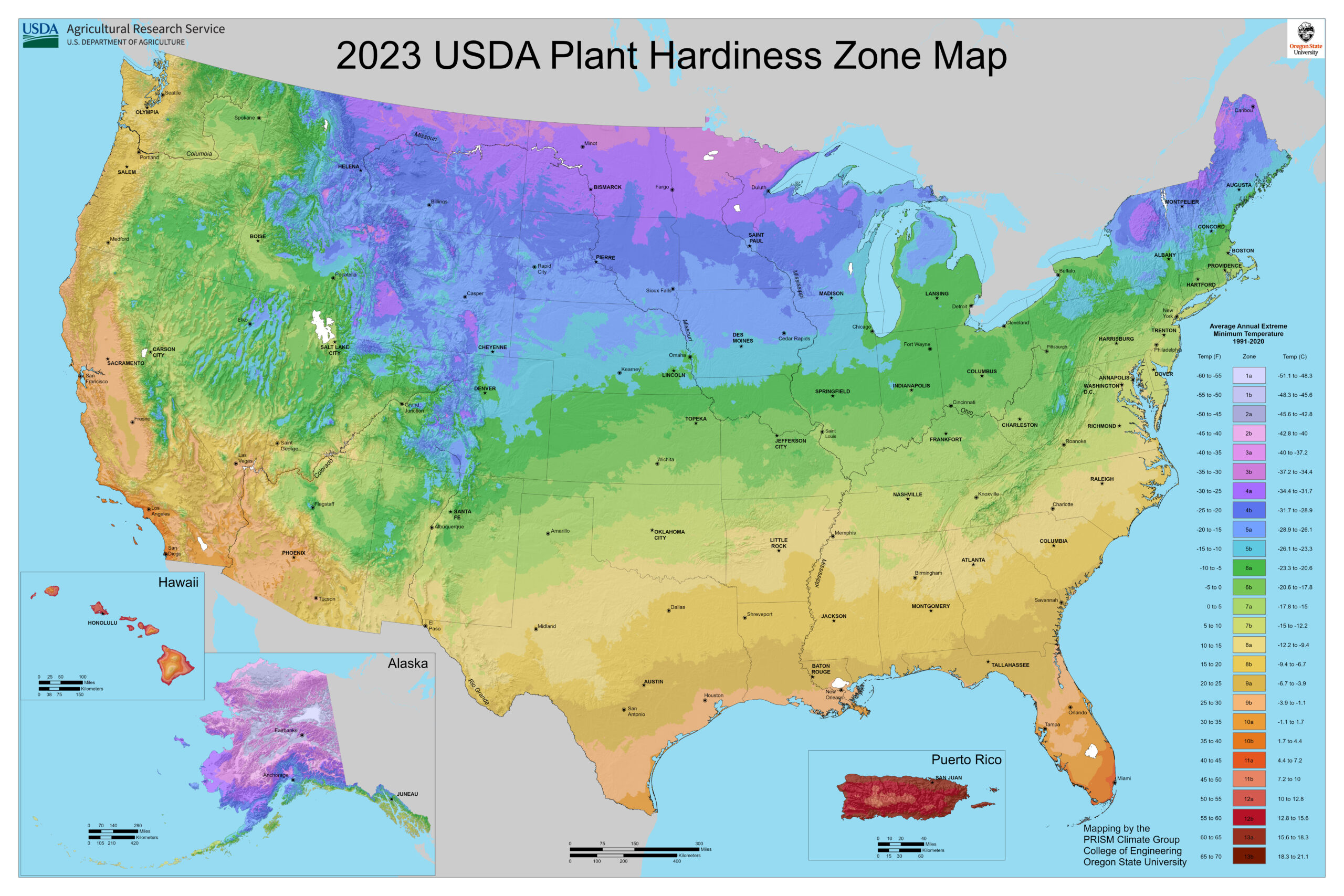
The 2023 USDA Plant Hardiness Zones Map – Click to enlarge
The USDA’s Plant Hardiness Zone Map divides the United States into zones according to the “average annual extreme minimal temperature”. Consulting the USDA hardiness zone map will help you determine whether a particular plant can thrive and survive in your part of the country.
Knowing the average first frost date for your region will allow you to calculate “planting deadlines” so that your young plants have time to mature before the temperatures fall and the first frost hits.
These two tools will help you determine not only which crops you should plant but also when you should have those crops in the ground.
Cool and Enrich the Soil
Summer, of course, brings heat, and toasty temperatures can easily roast newly sprouted seeds. The best way to prevent that from happening is to keep the soil moist, mulched, and shaded, if possible. Natural shade from a trellis or tall plant, for example, can be used to create a cool location for seeding a second crop.
Don’t forget the importance of rich soil—be sure to replenish the nutrients in the soil between plantings by mixing in compost and organic fertilizer. Learn more about soil health.
Use Cold Frames and Row Covers
Cold frames and row covers can be used to prolong the growing season by raising the soil temperatures in the cooler seasons and shielding crops from the elements, especially wind.
How to build a simple cold frame:
Construct a box using wood planks (We find that 2×8 planks work well!)
Cover with an old window
Tip: Most crops can benefit from a light row cover to act as a wind buffer. When using row cover, make sure to keep some separation between the fabric and the plant itself, especially when covering smaller greens. Half-inch metal conduit bent into hoops works well for this, but easy-to-cut 9-gauge wire is also a great option. Both materials are sturdy and can be shaped into low tunnels to support a covering of your choice.
Fall Planting for Food Consumption
Choose Crops Wisely
Check the seed packet for a seed’s days to maturity
Two types of plants are good bets to thrive when planted in midsummer—those that mature quickly and those that tolerate frost.
Paying attention to maturation time is key because crops planted in the summer months take longer to mature than those planted in the spring. As the summer turns to fall, the days shorten and the air cools. The lessening daylight and cooler air temperatures combine to slow plant growth.
(The good news? While your fall plantings take longer to mature, they will face fewer threats from pests this time of year!)
To ensure your plants mature in time for harvest, add a few extra days to the “days to maturity” guidelines typically found on seed packets. Then count back the total number of days on your calendar to arrive at your summer planting date.
Quick-Maturing Crops
Sow these crops in late June and July to squeeze in a second harvest before the warm season ends.
And if some of those quick-maturing crops don’t mature fast enough to elude the first frost, you can easily use row cover or garden fabric to protect them from too-cool temperatures.
Tip: Look for varieties of each crop that mature early, especially when choosing crops that prefer lots of heat, such as cucumbers and beans.
Frost-Tolerant Crops
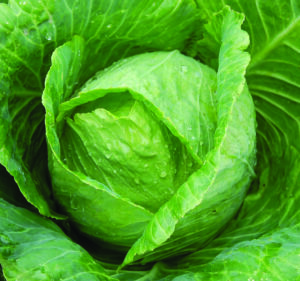
Most brassicas, such as cabbage, are frost-tolerant
Crops that will tolerate a light frost and keep growing even when temperatures drop include:
Some of these cold-tolerant vegetables—particularly carrots, collards, kale, and Brussels sprouts—actually taste better when grown in cool weather as they react to cold by producing sugars which then sweeten them.
Take note, however—while spinach, turnips, and rutabagas can be direct sown, you may need to start most brassicas indoors weeks before the midsummer planting period.
Our Favorite Fall Crops
Spinach
Spinach thrives in cooler weather and, if cared for properly, can provide harvests well into late fall or early winter! Growing spinach as a fall crop is a great way to prolong the growing season and harvest greens nearly year-round.
At Heritage Farm (Zone 4b/5a), we like to plant spinach in early September and harvest through late November. Spinach is quite frost tolerant and can continue growing into late fall.
However, it’s important that the leaves are able to thaw before harvest—harvesting frozen spinach can damage the leaves and reduce quality. Once temperatures stay consistently below freezing and the plants no longer thaw during the day, harvest becomes difficult or impossible. Using a cold frame or row cover can help insulate the plants, extending the harvest window into colder months.
Tip:Spinach seeds can have problems germinating in hot weather. Sowing spinach seeds outdoors and covering with several layers of row cover works well to help ensure successful germination.
Once temperatures cool, carrots actually get sweeter the longer they are left in the ground! Treat the soil as a sort of refrigerator and leave carrots in the ground until you’re ready to eat them. (This is a great hack if you lack extra refrigerator space!)
Harvest carrots as long as the soil can be worked with a fork. If the soil isn’t workable, you won’t be able to pop the carrots out when you are ready to harvest.
At Heritage Farm, we like to plant fall carrots in mid-August.
Similar to spinach, as long temperatures warm enough for kale leaves to thaw after a freeze, kale can be harvested into winter. Typically, this is around the 15-20 degree range.
Tip: Gardeners can prolong the growing season of kale by using floating row cover, however covering full-size kale can be tricky. Try growing kale as a smaller green, like a salad mix, by planting seeds more densely. Since mature kale plants can get quite large, smaller plants will be easier to fit underneath row cover. Smaller kale plants are also easier to maintain and harvest.
Beets
Beets have a short growing season, with most varieties reaching their full size in around 60 days. Some varieties, however, mature in even less time!
Beets, along with carrots and radishes, are popular crops for succession planting. In the spring and summer, sow beet seeds every two weeks or so for a continuous harvest.
Beets can also be grown for their edible greens. To grow beets to harvest as baby greens, seed beets densely and begin harvesting after around 30 days.
Not only do beets have a short growing season, but they are also cold tolerant until temperatures reach around 25 degrees. Prolong your beet growing season with cold frames or row covers.
At Heritage Farm, we sow fall-harvested beets indoors in early to mid-July and transplant them out after 3–4 weeks. You can also direct seed them in the garden at the same time, skipping the transplant step entirely. Fall beets can also be direct-sown outdoors as late as mid-August for a later harvest.
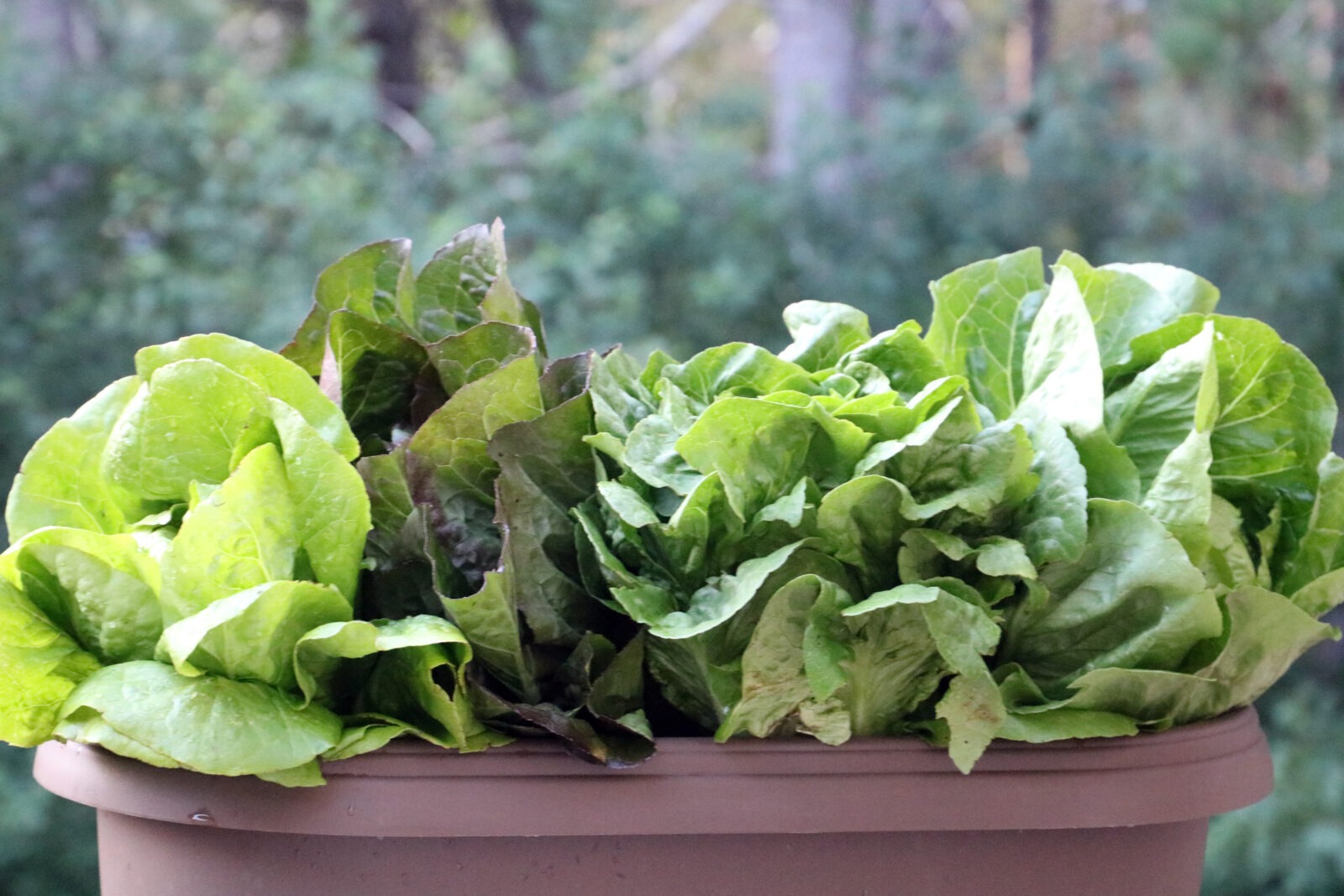
Lettuce is a great fall crop as it tends to bolt in the high heat of the summer. In spring and early summer, lettuce can be succession planted every few weeks for continuous harvests.
In late summer and early fall, sow rounds of lettuce every few days for a week or so. As temperatures cool, the growth of the lettuce plants will slow, and each sowing will be ready to harvest about a week apart.
Lettuce is decently cold tolerant. Look for varieties with cold tolerant traits, such as ‘Winter Density’. Most lettuce varieties have good frost tolerance, but it’s important to harvest only after the leaves have thawed. Harvesting while frozen can damage the plant tissue.
Tip: Choose loose-leaf lettuce varieties for fall planting. Loose-leaf varieties will perform better than head-forming varieties later into the season. Loose-leaf varieties can handle a freeze better than other types, since a fully formed head of lettuce will take more heat to thaw.
Herbs mature fast and many are surprisingly cold tolerant! Several fast-growing herbs include dill, cilantro, and parsley. Parsley is particularly cold-tolerant. In our growing zone (4b/5a) parsley can be grown and harvested through late fall, even without a cover!
Many herbs can also be started in summer or fall and simply moved indoors during the winter months. Some of the best herbs for growing indoors include:
By starting herb seeds in pots and then moving them indoors to a sunny spot, you can have fresh herbs all year round.
Onions
Typically, onions are first sowed in early spring for a late-spring or summer harvest. A second sowing in June can be harvested in the fall.
However, onions can also be sown in the fall and left to overwinter for an early spring harvest! To get an early spring harvest of onions, plant onions in the fall then cover with both mulch and a floating row cover.
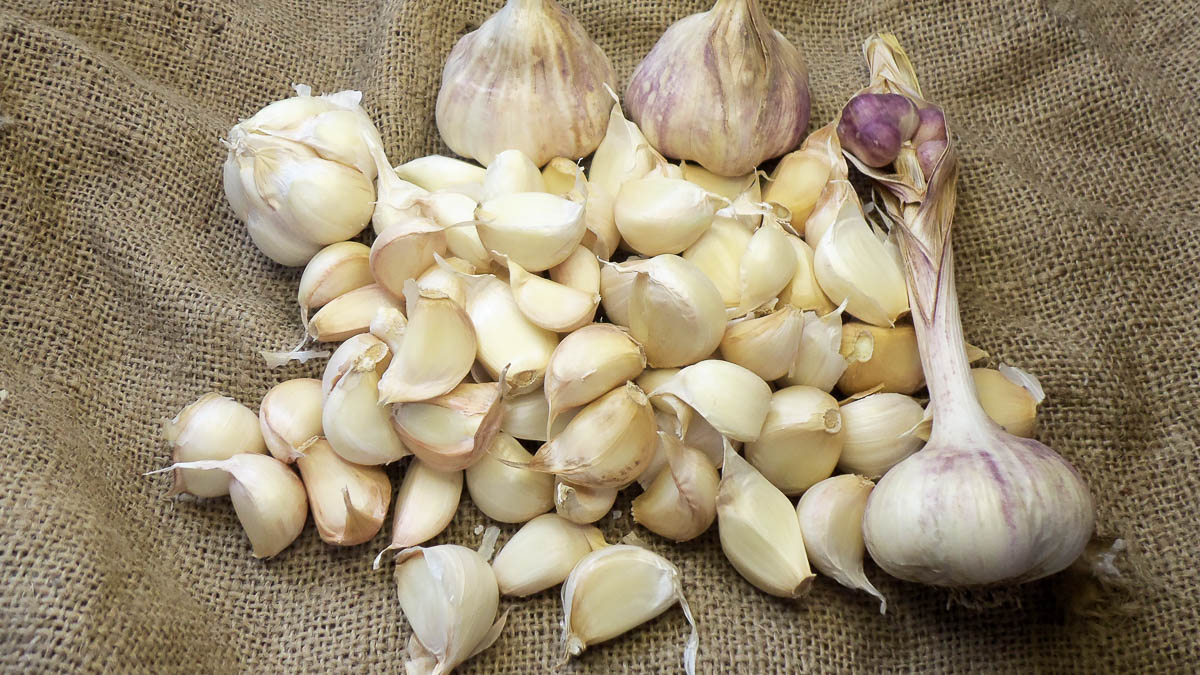
This culinary staple is rarely propagated from seeds. Instead, a few aromatic bulbs of garlic are saved from the harvest and replanted the following year. Garlic is typically sowed in the fall, overwintered, and then harvested in the summer. Many types of garlic require vernalization, or a prolonged period of exposure to colder temperatures, in order to grow in the spring.
As winter approaches, it becomes time to start thinking about putting your garden to bed, improving your soil, and properly insulating your overwintering crops.
When you make a purchase from Seed Savers Exchange, you help fulfill our nonprofit mission to protect our food and garden heritage. Do even more good by making a donation to help us preserve and share even more heirloom varieties!