external facebook instagramlinkedin pinterest playsearch twitteryoutube

Category

Learn

Education is at the heart of Seed Savers Exchange’s nonprofit mission. In addition to educational events and workshops throughout the year, SSE provides growing and seed-saving guides and instructional videos on a variety of topics.

A wooden frame trellis with a large, bushy bean plant growing up it. There is a sign in front describing the crop.

Garden Trellis Ideas

Maximize space in your garden with trellises. Some crop types—like cucumbers, tomatoes, and pole beans—need the extra support a trellis can provide, and others, like melons and squash, don’t require trellises but can benefit from being lifted off of the ground. When fruits are suspended from a trellis and kept from the soil surface, they are less prone to disease, and going vertical means that plants can grow vertically instead of sprawling, opening up some garden real estate on which to plant other crops.

Read More
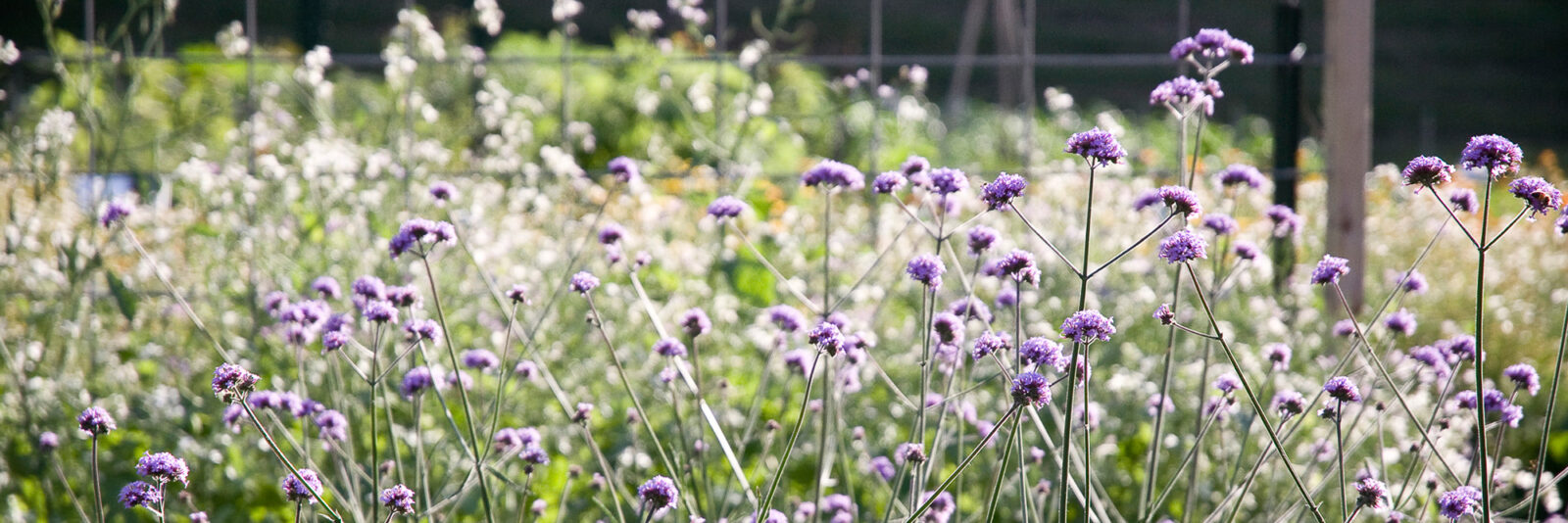
A garden of purple flowers

Gardening & Seed Saving Terms

Use this list of terms to expand your knowledge and understanding of seed saving and gardening. The following definitions are drawn from The Seed Garden: The Art and Practice of Seed Saving, edited by Lee Buttala and Shanyn Siegel and published by Seed Savers Exchange.

Read More
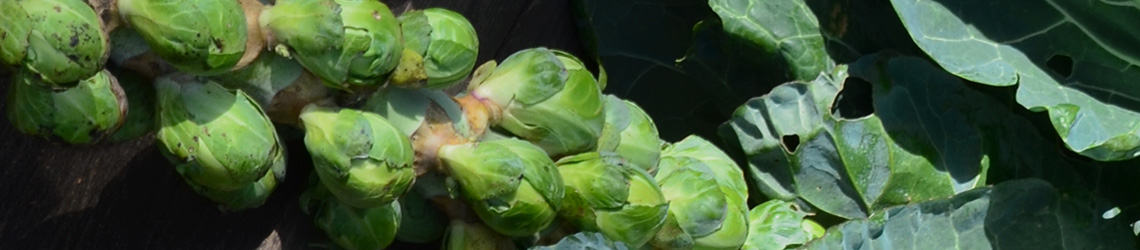
A group of brussels sprouts on the stalk with leaves

Growing Guide: Brussels Sprouts

These bite-sized greens are members of the species Brassica oleracea which includes broccoli, cauliflower, kale, and cabbage. They will flower and produce seeds in their second growing season after experiencing cold weather.

Read More
Four colorful beets with long green stems and the ends sliced off to show the inside of each.

Growing Guide: Beets

Beets are tasty and easy to grow, and both the roots and leaves can be used in cooking. Plant in early spring, as soon as soil can be worked. You can plant successive plantings until midsummer.

Read More
Group of different watermelon varieties on a deck.

Growing Guide: Watermelons

Although watermelon requires a long growing season, if you start this sprawling plant early enough in the year, you can enjoy its fruits from late summer to early fall. Watermelons, like other vining plants, need plenty of space to grow.

Read More
A wooden box of red, orange, yellow, and white tomatoes of varying sizes

Growing Guide: Tomato

Tomato plants can be either determinate or indeterminate. Determinate plants will produce tomatoes that all ripen around the same time, while indeterminate plants will continue producing new growth and new fruits throughout the growing season.

Read More