More to Explore
Growing Guide: Potatoes
How to Grow Potatoes
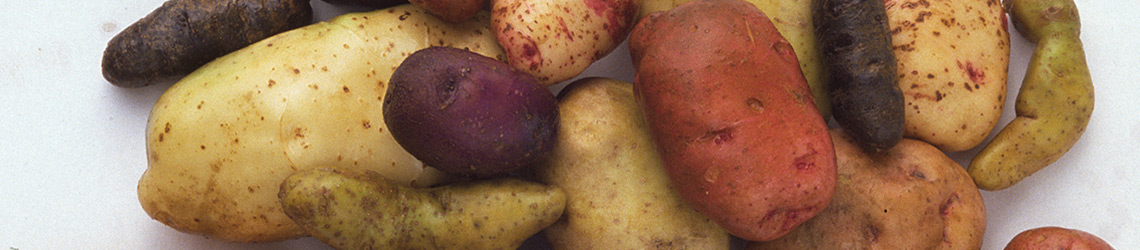
This versatile crop originated in South America centuries ago and today ranks as the most popular vegetable in the United States. Cool-season vegetables, potatoes come in a great range of shapes, sizes, colors, and textures and are most often grown from small tubers known as “seed potatoes”.
History
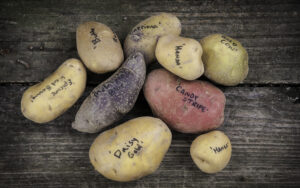
Potatoes have been cultivated for thousands of years in South America, where they are native to the Peruvian Andes. Potatoes are a significant crop in Peruvian culture and culinary tradition and were planted and bred to serve different tastes, resulting in substantial genetic diversity.
Spanish colonizers introduced potatoes into Europe in the later 1500s, where potatoes also became an important crop for many areas, especially in northern areas such as modern-day Ireland and Russia.
The known unique varieties of potatoes number in the thousands, and today’s varieties can be difficult to place in history. There are more than 4,000 varieties of native potatoes, mostly found in the Andes. The International Potato Center (CIP) in Lima, Peru, currently stewards more than 7,000 potato accessions, including over 4,000 traditional landrace cultivars from 18 different countries.
Growing Potatoes
Before Planting
A week or two before your planting date, set your seed potatoes in an area where they will be exposed to light and temperatures between 60-70 degrees Fahrenheit to begin the sprouting process. Potatoes smaller than a golf ball can be planted whole.

For larger potatoes: 1-2 days before planting, use a sharp, clean knife to slice into pieces approximately 2 inches square, each containing at least 1 or 2 eyes. In a day or so, thick calluses will form over the cuts, which will help prevent rotting.
Time of Planting
Potatoes may be planted as soon as the ground can be worked in the early spring, but keep soil temperatures in mind. Potato plants will not begin to grow until the soil temperature has reached 45 degrees F. The soil should be moist, but not water-logged.
Potatoes can tolerate a light frost, but you should provide some frost protection for the plants if you know a hard, late-season freeze is coming.
Planting
We find that potatoes are best grown in rows. To begin with, dig a trench that is 6-8 inches deep. Plant each piece of potato (cut side down, with the eyes pointing up) every 12-15 inches, with the rows spaced 3 feet apart. If your space is limited or if you would like to grow only baby potatoes, you can decrease the spacing between plants.

To begin with, only fill the trench with 4 inches of soil. Let the plants start to grow and then continue to fill in the trench and even mound the soil around the plants as they continue to grow. Prior to planting, always make sure to cultivate the soil one last time. This will remove any weeds, loosen the soil, and allow the plants to become established more quickly.
Always keep your potato patch weed-free for the best results.
Time to Germination
Germination typically occurs between 14 and 28 days.
Watering
Keep your potato vines well watered throughout the summer, especially during the period when the plants are flowering and immediately following the flowering stage. During this flowering period, the plants are creating their tubers and a steady water supply is crucial to good crop outcome. Growing potatoes do well with 1-2 inches of water or rain per week.

When the foliage turns yellow and begins to die back, discontinue watering. This will help start curing the potatoes for harvest time.
Growing Potatoes in Containers
Potatoes can also grow in containers. Choose a large, opaque container—at least five gallons—and make sure it has drainage holes. Large grow bags work best.
Plant 1-2 seed potatoes per container. Use a well-draining potting mix and add plenty of compost.
First fill the container with about six inches of soil and plant the seed potatoes on top. Fill with an additional two inches of soil to cover the seed potatoes. As the potatoes grow, add more soil around the base to keep the plant stems covered. Underground potato stalks will produce lateral short runners, leading to higher yields.
Generally, crops grown in containers have higher water needs than crops planted in the ground. Be extra diligent about watering container potatoes.
Learn more about container gardening.
Common Pests and Diseases
Potatoes are very susceptible to viruses. Always choose a planting site with good airflow and leave the recommended space between plants.
Potatoes should be rotated in the garden, never being grown in the same spot until there has been a 3 to 4-year absence of the crop. Crop rotation will help to prevent a buildup of disease, and will avoid infected plants springing up undetected from potato tubers that were missed during a previous year’s harvest. Learn more about soil health.
Special Considerations
Soil Acidity
Potatoes prefer light, loose, well-drained, slightly acidic soil with a PH of 5.0 to 7.0. Fortunately, potatoes are very adaptable and will almost always produce a respectable crop, even when the soil conditions and growing seasons are less than perfect.
Late-Season Harvests
If you want to extend storage times and have a long growing season, you can plant a second crop in early summer and harvest the potatoes as late as possible. Potatoes can tolerate a light frost; however, they will need protection if a hard, late-season freeze occurs.
When and How to Harvest for Food Consumption
Baby Potatoes
Harvest baby potatoes 2-3 weeks after the plants have finished flowering. Gently dig around the plants to remove potatoes for fresh eating, being careful not to be too intrusive.
Remove the largest new potatoes and leave the smaller ones in place so they can continue to grow. Only take what you need for immediate eating. Homegrown baby potatoes are a luxury and should be used the same day that they are dug!
Storage Potatoes
Potatoes that are going to be kept for storage should not be dug until 2-3 weeks after the foliage dies back.
Carefully dig potatoes with a sturdy fork, making sure not to damage the skins. Lay the potatoes to dry out of the sun in a protected area like a garage or covered porch at high humidity. Use a fan to increase airflow. This curing step allows the skins to mature and is essential for good storage.
Storing

At Seed Savers Exchange, we are able to store potatoes well into the spring in our underground root cellar. Try to find a dry storage area that is well-ventilated, dark, and cool. The ideal temperature is between 35 and 40 degrees F.
Do not wash the potatoes until you are ready to eat them, as this can lead to rot.
Keep in mind that some varieties are better keepers than others. Varieties like Red Gold and Rose Gold are best used in the fall, and others like Carola and Russets are exceptional keepers.
Eating
A culinary staple, potatoes can be boiled, mashed, sautéed, fried, and cooked au gratin.

How to Save Potato Tubers for Seed Stock
Home gardeners can save potato tubers each year for several generations. Save the very best potatoes for planting. You may find that after several years, the size begins to decrease; this is typical. Potatoes are very susceptible to viruses.
If you are looking for maximum yields, it is best to start with fresh, USDA Certified Seed Stock every year.
Find Seed Potatoes on the Exchange
Seed Savers Exchange does not currently sell seed potatoes. However, many home gardeners list seed potato varieties on the Exchange, our gardener-to-gardener seed swap!